
Search
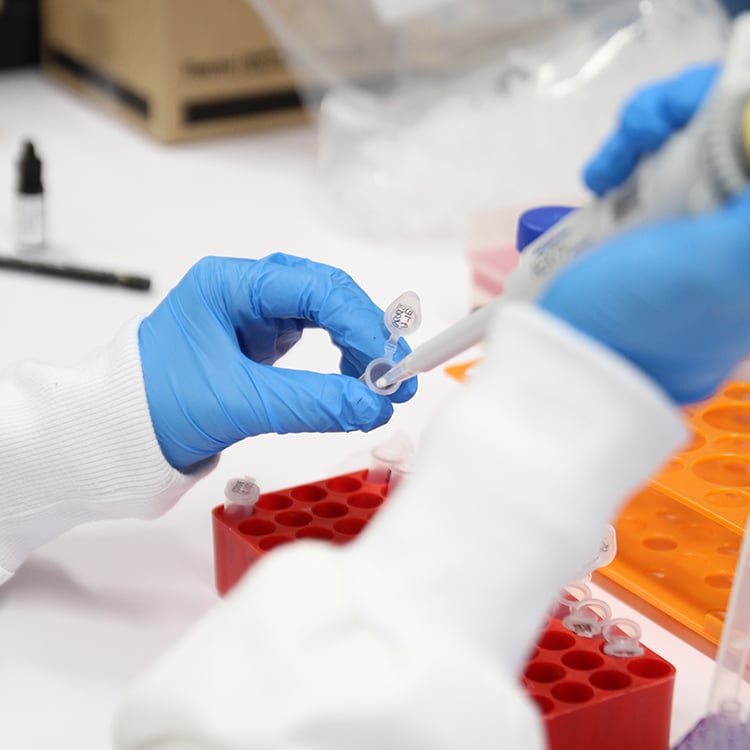
Thanks to 30 years of support from the WA community, The Kids Research Institute Australia is home to some of the world’s best researchers.
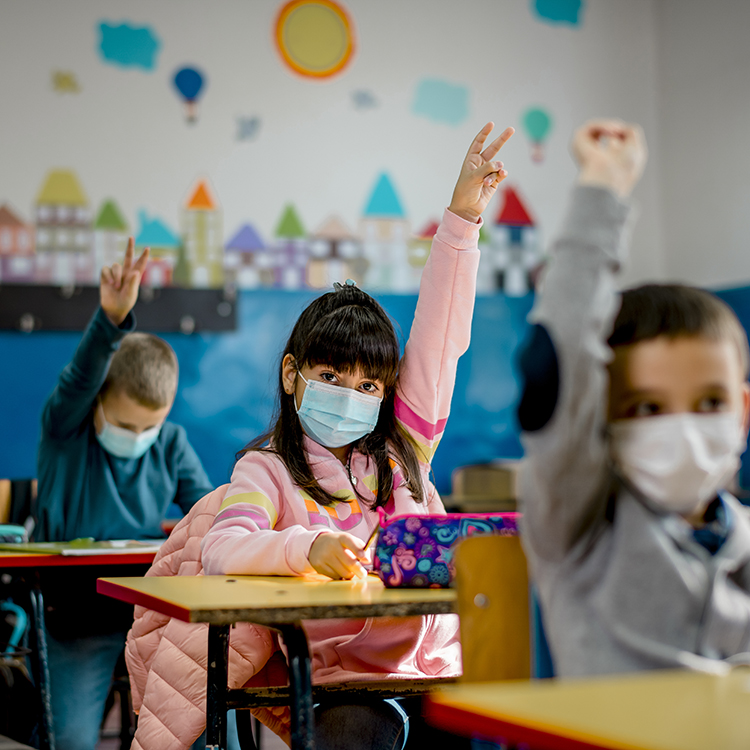
With the number of COVID-19 infections in Western Australia continuing to grow – including confirmed cases in children – The Kids Research Institute Australia understands that our community is growing increasingly worried.
The Kids Research Institute Australia answers all of your questions about vaccines and children
Research that maps and tracks.
Research save lives and contains the spread of COVID-19.
During winter months of temperate regions, concurrent epidemics of multiple respiratory pathogens can occur, causing periods of increased clinical burden. Case time series, which are predominantly used to monitor infection levels, can exhibit substantial noise and day-of-the-week effects, limiting the visual interpretation of trends in raw data.
This study adapts the Multiple Streams Framework (MSF) to explore why COVID-19 vaccine mandates were applied at sectoral and subnational levels in Vietnam while the central government maintained that vaccination was voluntary. Document analysis reveals that these mandates arose from the effective coupling of the three streams—problem, policy, and politics—in a setting of authoritarian rule, where the streams function differently (and more uniformly) compared to democratic contexts.
Tools that can be used to collect behavioural data during pandemics are needed to inform policy and practice. The objective of this project was to develop the Your COVID-19 Risk tool in response to the global spread of COVID-19, aiming to promote health behaviour change. We developed an online resource based on key behavioural evidence-based risk factors related to contracting and spreading COVID-19. This tool allows for assessing risk and provides instant support to protect individuals from infection.
Pregnant women are a priority group for COVID-19 vaccination due to their vulnerability as a high-risk cohort. However, the currentCOVID-19 vaccine uptake rate for COVID-19 vaccination among pregnant women in Western Australia remains largely unknown.
Cases identified through mass testing represent only a fraction of infections, depending on the propensity of infected individuals to seek testing. Quantifying the variation in test-seeking behaviour through time or between population subgroups provides important information on testing uptake and supports epidemiological analyses of case data that may otherwise be biased.