
Search
Head, Epigenetics
Honorary Research Associate
Trailblazing Aboriginal doctor and health researcher Professor Alex Brown has been made a Fellow of the Australian Academy of Technological Sciences and Engineering (ATSE) in recognition of his leadership in ensuring Indigenous peoples are at the forefront of genomics efforts nationally and internationally.
To define clinical common data elements (CDEs) and a mandatory minimum data set (MDS) for genomic studies of cerebral palsy (CP). Method: Candidate data elements were collated following a review of the literature and existing CDEs.
Functional studies of how early-life interventions shape the airway microbiome remain scarce. Here, we performed metagenomic sequencing of 704 longitudinal nasal swabs from infants with and without cystic fibrosis (CF) to construct and characterize a non-redundant gene atlas of the infant nasal microbiome. We aimed to determine how the nasal microbiome is perturbed by early therapies, as CF is commonly treated with inhaled hypertonic saline to improve mucociliary clearance.
Timo Lassmann BSc (Hons) MSc PhD Feilman Fellow; Head, Precision Health Research and Head, Translational Intelligence timo.lassmann@thekids.org.au
To describe the perspectives of Aboriginal and Torres Strait Islander peoples and health care workers on genomics in cancer care to inform the National Framework for Genomics in Cancer Control (the Framework).
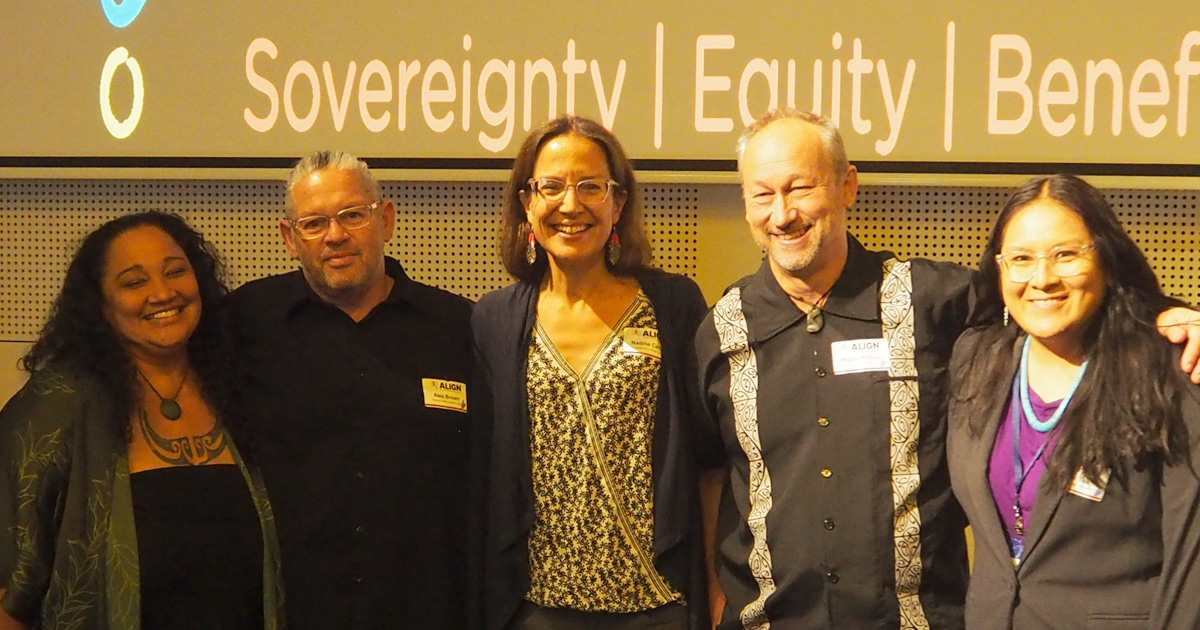
A national alliance of the brightest minds in genomic science, academia, policy makers, industry and Indigenous leaders will work to break down barriers to ensure Aboriginal and Torres Strait Islander people can benefit from advances in genomic medicine if they choose.
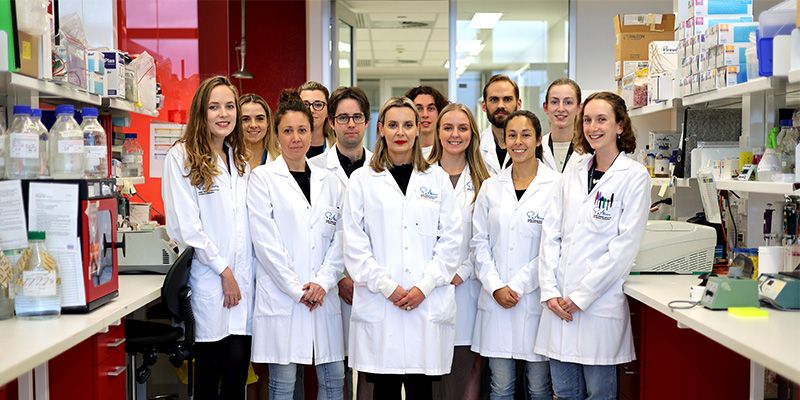
Aleksandra Filipovska has been elected a Fellow of the Australian Academy of Health and Medical Sciences.
The goal of this study was to understand individuals with cerebral palsy (CP) and their family's attitudes and preferences to genomic research, including international data sharing and biobanking.