
Search
The prevalence of allergic diseases across the Australian population, in all regions and age groups, is not well documented. This study aimed to describe the prevalence and distribution of five allergic diseases (allergic rhinitis, asthma, drug allergy, eczema, and food allergy) and examine differences by sociodemographic factors.
Allergic diseases are rising worldwide, especially in childhood, and their clinical diversity increasingly exposes the limits of traditional phenotype-based classifications. Genetic susceptibility, environmental exposures, epithelial barrier biology, and immune pathways interact to shape highly variable disease trajectories and treatment responses. In this context, precision medicine is no longer only an aspirational concept, but a practical effort to define meaningful endotypes, identify clinically useful biomarkers, and connect biological insight to prevention and care.
The first peanut oral immunotherapy (OIT) for children was approved by the US Food and Drug Administration (FDA) in 2020. While clinical efficacy is established, evidence on cost-effectiveness-whether the benefits outweigh the costs and adverse effects-remains limited. A variant of OIT, known as probiotic and peanut OIT (PPOIT), has shown similar efficacy in trials.
Food allergy affects families' quality of life, can be lifelong and life-threatening, urging the identification of early modifiable risk factors. Formula feeding in the first days of life may increase the risk of cow's milk allergy, a risk often attributed to cow's milk allergens exposure. Early formula feeding also reduces the colostrum intake, the first 3 days' milk, which is rich in bioactive compounds critical for immune and gut health. This study investigates whether partial colostrum feeding increases the risk of food allergy beyond cow's milk.
Peanut allergy is the most common childhood-onset, persistent food allergy. Peanut oral immunotherapy (OIT) is a potential treatment, but few studies prospectively examine the outcome of peanut OIT in young children using parent-measured doses compared to standard care (peanut avoidance).
Allergic sensitization and reduced ability to respond to viral infections may contribute to virus-induced wheeze and asthma development in young children. Plasmacytoid dendritic cells (pDC) are rare immune cells that produce type I interferons (IFN-I) and play a key role in orchestrating immune responses against viruses.
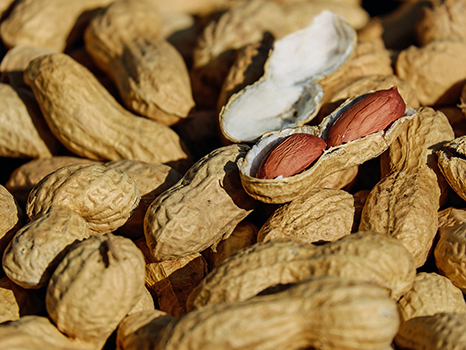
An Australian research team – led by Murdoch Children’s Research Institute and including researchers from The Kids Research Institute Australia, Perth Children’s Hospital and The University of Western Australia – has discovered two peanut allergy treatments for children that are both highly effective at induc

New research from The Kids Research Institute Australia suggests a simple dietary intervention during pregnancy could help protect against the increased risk of food allergies associated with antibiotics taken before birth.
Meta-analyses of randomized controlled trials have found that introducing eggs and peanuts earlier during infancy reduced egg and peanut allergy risk. Hence, infant feeding advice has dramatically changed from previous recommendations of avoidance to current recommendations of inclusion of common food allergens in infant diets.
Ensitrelvir, a 3C-like protease inhibitor, received emergency approval in Japan in November 2022 for treating non-hospitalized patients with mild-to-moderate COVID-19. However, confirmation of its real-world clinical effectiveness is limited.