
Search
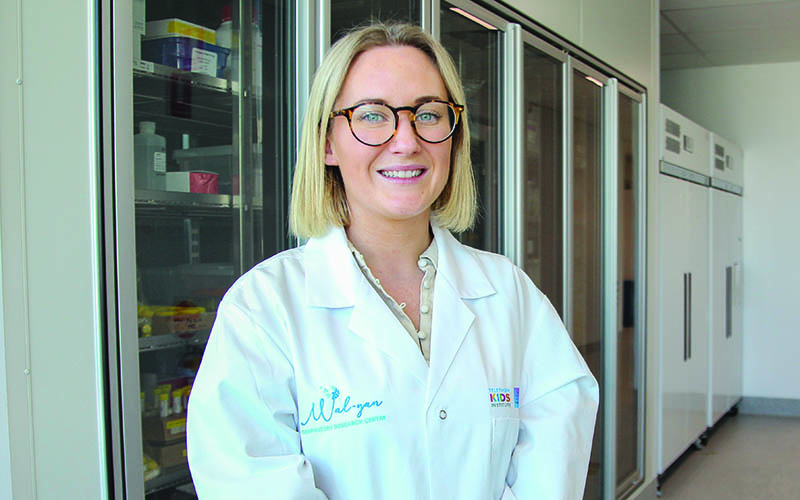
Researchers have made a world-first discovery on how to prevent severe respiratory infections in babies.
AEC-conditioned DC showed selective upregulation of chemokines that recruit Th1 cells, but minimal change in chemokines linked to Th2 cell recruitment.
The objective of this study was to elucidate the molecular networks that underpin virus-induced exacerbations in asthmatic children in vivo.
The objective of this study was to elucidate the molecular networks that underpin virus-induced exacerbations in asthmatic children in vivo.
Anya Deborah Pat Jones Strickland Holt BSc MSc PhD PhD PhD, DSc, FRCPath, FRCPI, FAA Honorary Research Associate Head, Pregnancy and Early Life

Honorary Research Associate
We propose that the molecular and cellular events that govern a resolving, rather than an evolving, disease may reveal new druggable pathways.
Mycobacterium avium subsp. avium (Maa) and M. avium subsp. hominissuis (Mah) are environmental mycobacteria and significant opportunistic pathogens.
Alexander Anthony Deborah Pat Larcombe Kicic Strickland Holt BScEnv (Hons) PhD BSc (Hons) PhD PhD PhD, DSc, FRCPath, FRCPI, FAA Honorary Research
Results from recent clinical studies suggest potential efficacy of immune training (IT)-based approaches for protection against severe lower respiratory tract infections in infants, but underlying mechanisms are unclear.