
Search
Are you 14-18 years old and attracted to people the same gender as you? We want you to help us understand how you feel other people see and treat you, and how this affects your mental health.

The Youth Mental Health team is looking for a diverse group of young people to help inform research into mental health in LGBTIQ+ young people.

Head, Youth Mental Health

Congratulations to Head of Youth Mental Health at The Kids Research Institute Australia, Dr Yael Perry, who has received a Telstra Health 2023 Brilliant Women in Digital Health Award in recognition of her innovative use of technology to achieve positive mental health outcomes for marginalised young people.

Communities with poor access to mental health services are eight times more likely to be youth suicide hotspots, according to new The Kids Research Institute Australia research.
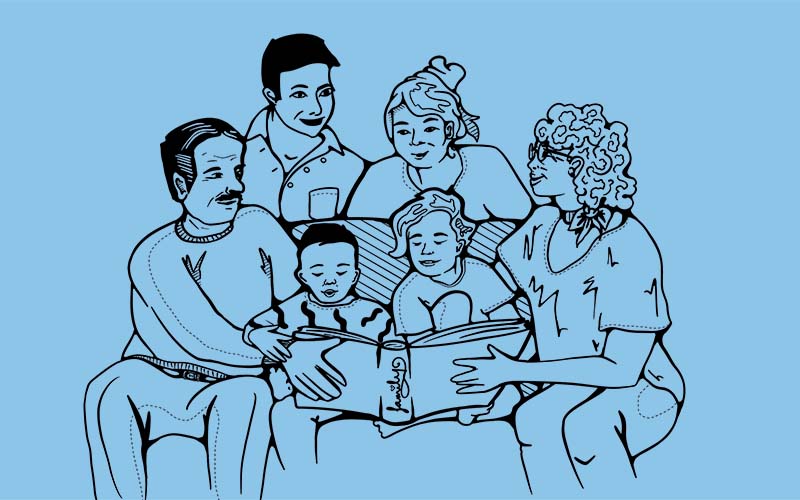
Transforming Families is providing evidence-based resources to help support the mental wellbeing of young people questioning their gender identity, or who identify as trans or gender diverse.
Trans and gender diverse (trans) young people experience higher rates of physical and mental ill-health due to chronic exposure to gender minority stress. Consequently, trans young people report higher health and mental healthcare service utilisation. Disconcertingly, negative experiences of healthcare services are prevalent among trans young people, especially those with additional marginalised identities and backgrounds who experience multiple forms of marginalisation.
Qualitative research on sensitive topics (e.g. abuse, mental health difficulties, discrimination) is needed to understand lived experiences of complex issues. However, this type of research raises concerns about potential adverse effects on participants, especially with younger participants and those from marginalized populations. In this study, we conducted a reflexive thematic analysis of 20 trans adolescents’ (14–18 years of age) experiences of participating in research about their stigma experiences.
Lesbian, Gay, Bisexual, Transgender, Intersex, Queer, Asexual/Aromantic (LGBTIQA+) people and other individuals with diverse sexual orientation, sex and/or gender identity experience intimate partner violence (IPV) at higher rates than non-LGBTIQA+ people but often receive inconsistent culturally competent healthcare, which deters help-seeking.

The Youth Mental Health team’s vision is to improve the mental health of young people, their families and communities locally, nationally, and internationally.