
Search
Asthma is the most common chronic lung disease in childhood. There has been a significant worldwide effort to develop tools/methods to identify children's risk for asthma as early as possible for preventative and early management strategies. Unfortunately, most childhood asthma prediction tools using conventional statistical models have modest accuracy, sensitivity, and positive predictive value.
Surfactant, which was first identified in the 1920s, is pivotal to lower the surface tension in alveoli of the lungs and helps to lower the work of breathing and prevents atelectasis. Surfactant proteins, such as surfactant protein B and surfactant protein C, contribute to function and stability of surfactant film.
Climate change is increasing the frequency and severity of non-optimal temperatures and heatwaves, posing risks to public health, especially for children and young people. We performed a systematic review and meta-analysis to assess the impacts of (i) non-optimal ambient temperatures and (ii) heatwaves on mental health outcomes in this group globally.
Children are disproportionately affected by the negative health effects of climate change. We did a systematic review to synthesise the available evidence on tested interventions to improve child health in response to the impacts of climate change.
The airway epithelium is the primary structural and functional airway barrier and orchestrates innate immunity. Some children may have underlying epithelial vulnerabilities that contribute to the pathogenesis of acute wheeze and asthma.
Managing bronchiectasis exacerbations is a priority for patients, parents, and caregivers of children with bronchiectasis. However, evidence-based strategies among the pediatric population remain limited.
André Schultz MBChB, PhD, FRACP Head, BREATH Team Head, BREATH Team Prof André Schultz is the Head, BREATH Team at The Kids Research Institute
As both bronchiolitis and bronchiectasis are diseases of the airway surface, we will comprehensively study the airway surface and factors affecting the airway surface in infants hospitalised with bronchiolitis.
Childhood asthma begins as wheeze (a whistling sound produced by the airways during breathing) during preschool age.
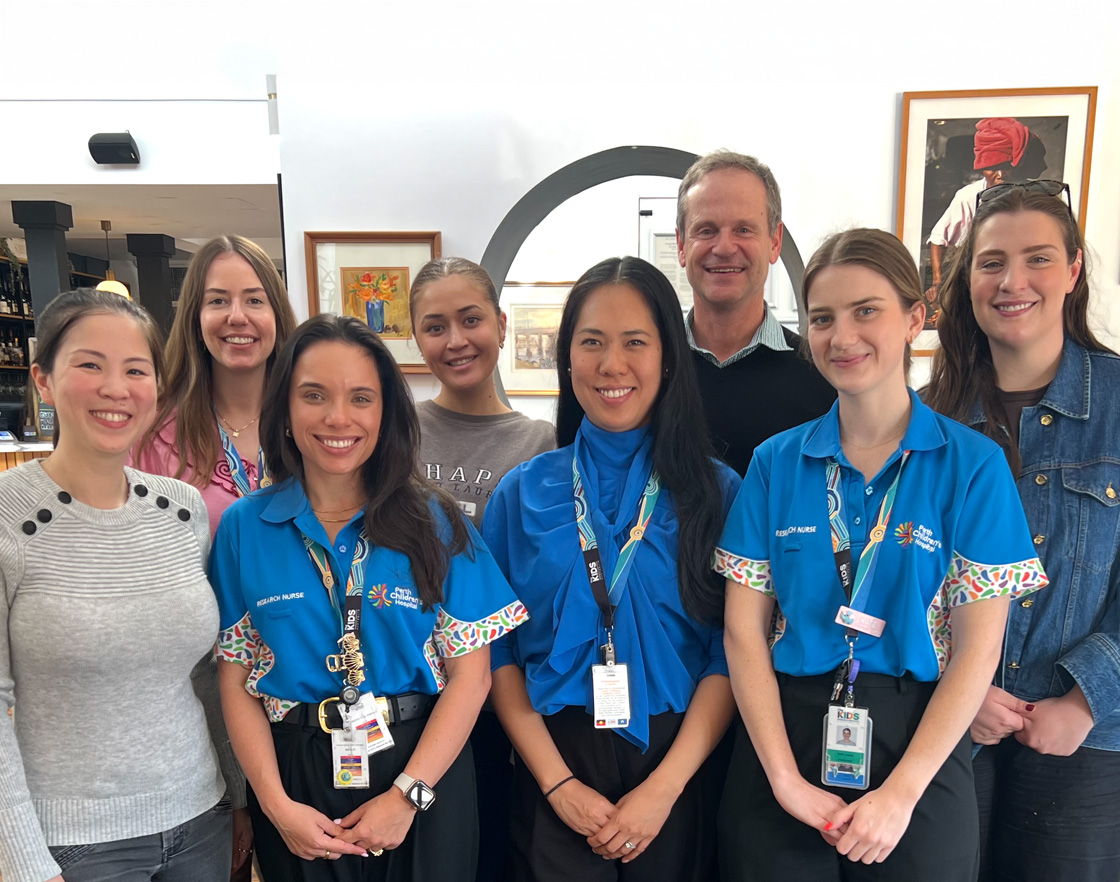
Our team aims to optimise lung health early in life to ensure the best possible health outcomes later in life.