
Search
This chapter discusses the importance of investment in early life determinants of health to break the cycle of long-term disadvantage. This chapter addresses these issues while focussing on neurodevelopmental disorders and their related mental health concerns as the targets at the centre of a biopsychosocial transformation of the health system.

Senior Research Officer

PhD Candidate

Six researchers from The Kids Research Institute Australia have been awarded $8.9 million in prestigious Investigator Grants from the National Health and Medical Research Council.

Project Coordinator

Research Assistant

The generous support of West Australians through Channel 7’s Telethon Trust will help support vital child health research at The Kids Research Institute Australia in 2023.

The Kids Research Institute Australia warmly welcomes youth mental health researcher Associate Professor Kathryn Modecki.

A project, lead by Aboriginal and Aboriginal LGBTQA+ researchers examining the mental health of young Aboriginal and Torres Strait Islander LGBTQA+ people, is launching a nation-wide survey, to help drive meaningful change for the community.

We were delighted to have Australia’s best-known parenting author, Maggie Dent, back at The Kids Research Institute Australia this week, to talk about the mental health of our teenagers.
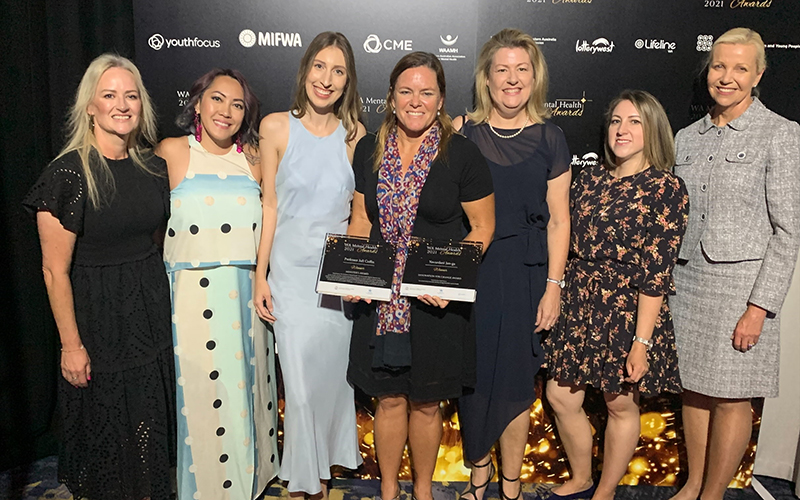
Outstanding Aboriginal mental health researcher Professor Juli Coffin has taken out top honours at the 2021 Western Australian Mental Health Awards in recognition of her ground-breaking work to enhance Aboriginal social and emotional wellbeing.

Congratulations to Head of Youth Mental Health at The Kids Research Institute Australia, Dr Yael Perry, who has received a Telstra Health 2023 Brilliant Women in Digital Health Award in recognition of her innovative use of technology to achieve positive mental health outcomes for marginalised young people.
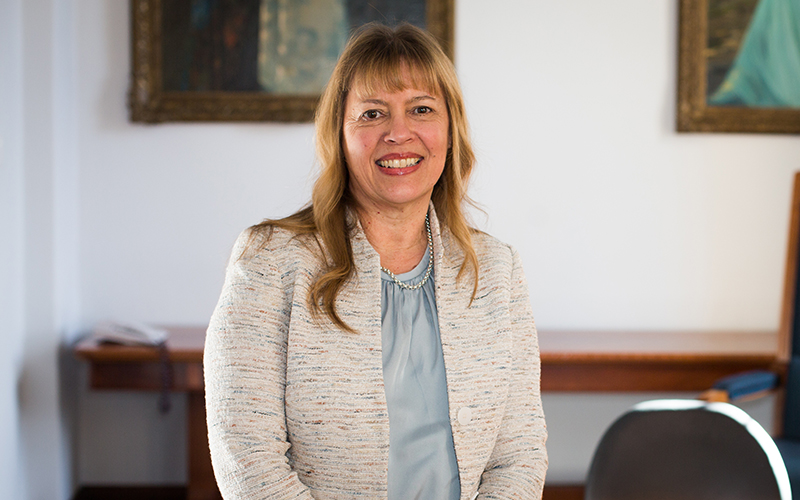
Congratulations to trailblazing mental health researcher Professor Helen Milroy, who has been announced as a finalist for the 2021 Human Rights Medal.
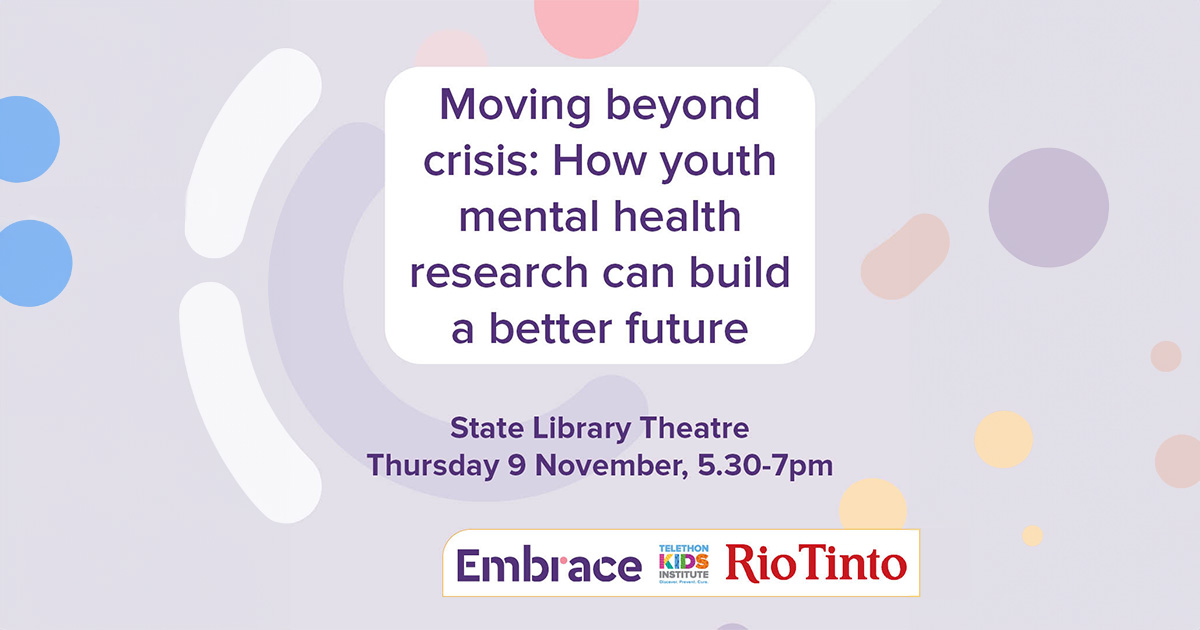
On the 9th of November from 5:30 to 7:30pm, Embrace @ The Kids Research Institute Australia, in partnership with Rio Tinto, invites you to a free public panel discussion on permacrisis and the mental health of young people.
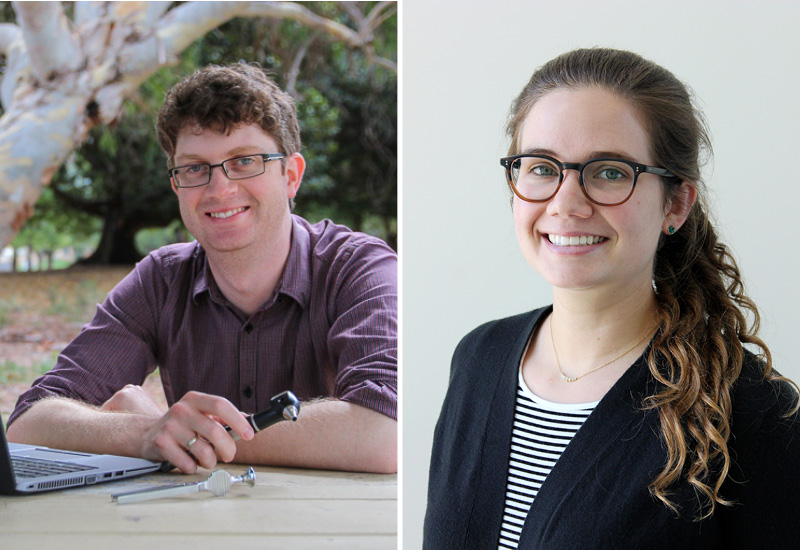
Two The Kids Research Institute Australia researchers have been named as finalists in the 2020 Western Australian Premier’s Science Awards.
Psychological prevention programmes delivered in schools may reduce symptoms of depression. However, high-quality, large-scale trials are lacking.
Evidence indicates that criminal behaviour in youth is linked with a range of negative physical, mental, and social health consequences. Despite a global decrease over the last 30 years, youth crime remains prevalent.
This study aimed to estimate the prevalence of mental health problems and identify potential risk and protective exposures for adolescents in Indonesia. An innovative sampling approach was applied to simultaneously recruit school- and community-based adolescents aged 16-18 years old from Jakarta (urban megacity) and South Sulawesi (remote province).
To improve early intervention and personalise treatment for individuals early on the psychosis continuum, a greater understanding of symptom dynamics is required. We address this by identifying and evaluating the movement between empirically derived attenuated psychotic symptomatic substates-clusters of symptoms that occur within individuals over time.