
Search
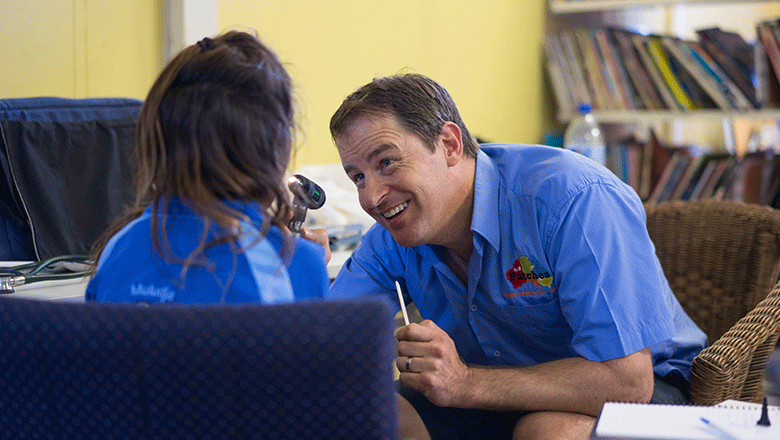
Researchers at The Kids Research Institute Australia have developed a range of new resources to help lawyers, judicial officers and other justice professionals
Researchers at The Kids Research Institute Australia will establish a national framework to tackle Fetal Alcohol Spectrum Disorder (FASD).
Researchers at The Kids for Child Health Research have been awarded more than $1.4M to assess how many juvenile offenders are affected by FASD.
Leading researchers into the effects of alcohol in pregnancy have thrown their support behind the recommendations of a national Inquiry into FASD.
Researchers at Perth's The Kids for Child Health Research support calls for mandatory health warning labels on alcohol products.
New study confirms link between alcohol and birth defects
Doctors and other health professionals who care for pregnant women are being encouraged to talk openly to women about the dangers of alcohol in pregnancy.
As Head of Aboriginal Research Development at Telethon Kids, Glenn Pearson believes his work brings us closer to identifying the real and whole Australian story

One of The Kids Research Institute Australia’s most influential researchers, who has played a seminal role in birth defect research and advocacy over a four-decade career, has won the Peter Wills Medal – the Australian research community’s flagship award.

We welcome the Cook Labor Government’s plan to introduce proactive measures to improve the safety and welfare of children and young people within the State’s youth justice system.