
Search
Extreme heat exposure is a major global public health threat that is affecting people across the life course, including the pregnancy period. Studies have linked extreme heat with adverse pregnancy and newborn health outcomes globally.
Physical constraints of small apartment kitchens and the influence of the surrounding community food environment may impact food practices of apartment residents. Social media portrayal of these features may influence public perception of apartment living.
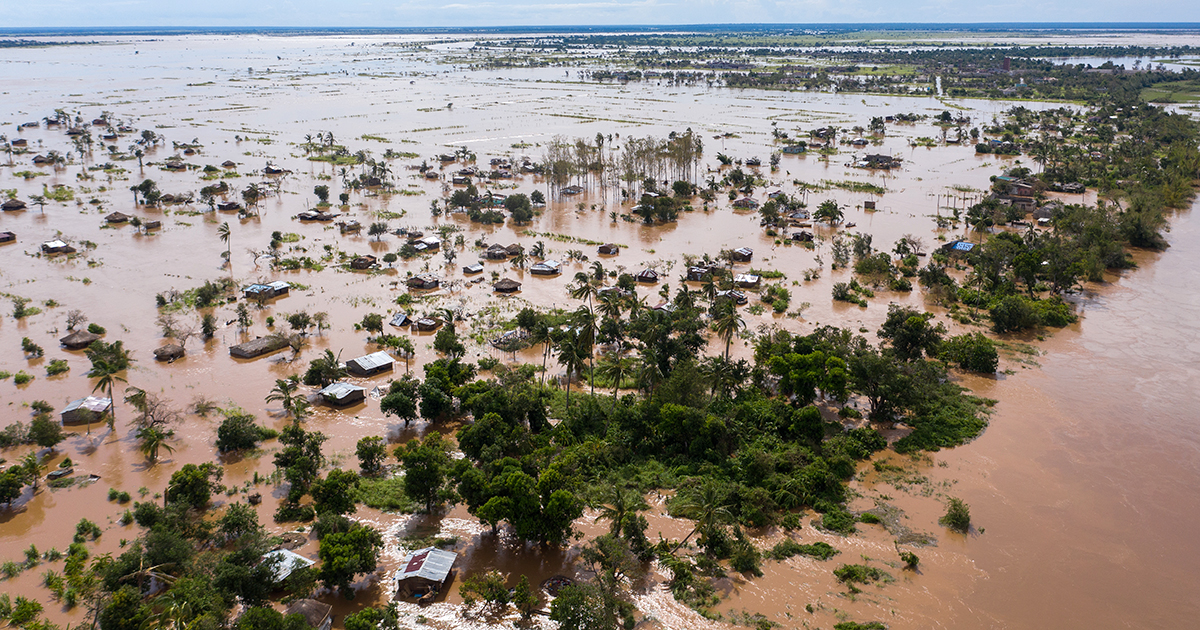
World-first research from The Kids Research Institute Australia and Curtin University predicts climate change could trigger more than 100 million additional malaria cases and 500,000 additional deaths in Africa by 2050, including substantial impacts on children.
Estimating the temporal trends in infectious disease activity is crucial for monitoring disease spread and the impact of interventions. Surveillance indicators routinely collected to monitor these trends are often a composite of multiple pathogens. For example, "influenza-like illness"-routinely monitored as a proxy for influenza infections-is a symptom definition that could be caused by a wide range of pathogens, including multiple subtypes of influenza, SARS-CoV-2, and RSV.
Britta Regli-von Ungern-Sternberg AM FAHMS MD, PhD, DEAA, FANZA Chair of Paediatric anaesthesia, University of Western Australia; Consultant
Creating the conditions for meaningful relationships is essential to understanding Aboriginal worldviews and co-designing ways of working to achieve better health outcomes. Non-Aboriginal health professionals struggle to recognise the importance of social relationships to Aboriginal peoples and tensions emerge due to these different worldviews informed by different ontologies and epistemologies. This is more so in clinical settings where training and models of care are often inadequate for working with Aboriginal people.
Staphylococcus aureus bacteremia (SAB) is the most common cause of childhood sepsis contributing to pediatric intensive care unit admission. The cost of adult SAB hospitalization is well described globally, but limited costing information is available for children. To bridge this knowledge gap, we investigated the cost of hospitalization in children with SAB in Australia.
To describe the perspectives of Aboriginal and Torres Strait Islander peoples and health care workers on genomics in cancer care to inform the National Framework for Genomics in Cancer Control (the Framework).
CDKL5 Deficiency Disorder (CDD) is a rare neurodevelopmental disorder characterised by early onset seizures combined with complex healthcare needs and developmental impairment that influence functional domains including communication. Communication is a high priority domain for families but currently used measures demonstrate floor effects.
High-grade glioma (HGG) cells reactivate neurodevelopmental programs regulated by ion channels to drive tumor progression. The activity of voltage-gated sodium channels (VGSCs) is fundamental to development, a target of blood-brain barrier (BBB)-permeable FDA-approved drugs, and aids tumor advancement in several cancers. However, the contribution of VGSC activity to HGG pathology remains unknown.