
Search
Computer vision technology is advancing rare disease diagnosis to address unmet needs of the more than 300 million individuals affected globally; one in three rare diseases have a known facial phenotype. 3D face model reconstruction is a key driver of these advances.
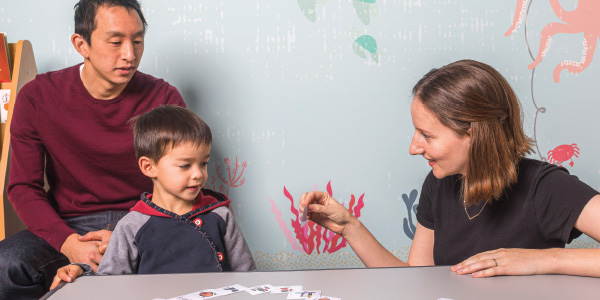
A long-held belief linking gut bacteria to autism has been debunked by an Australian research team that included researchers from CliniKids at The Kids Research Institute Australia.
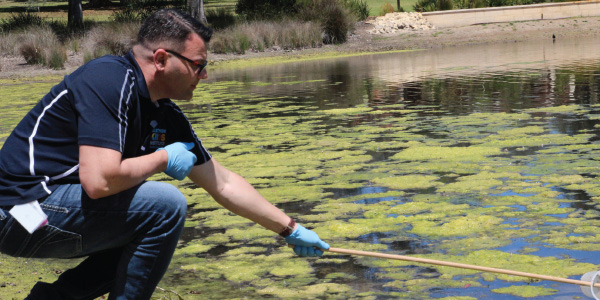
Cystic fibrosis (CF) researchers are working hard to progress phage therapy as an alternative treatment to antibiotics in people with CF who develop life-threatening lung infections.
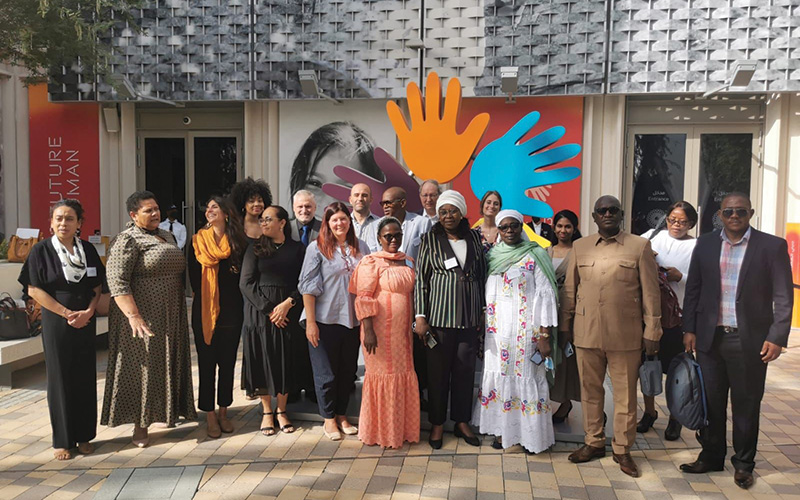
A powerful data tool developed by international child development researcher Professor Sally Brinkman and former research assistant Tom Brown could improve early childhood support for children around the world after being launched in Dubai this year.
Influenza vaccination of children with medical comorbidities is critical due their increased risks for severe influenza disease. In Australia, hospitals are an avenue for influenza vaccine delivery to children with comorbidities but are not always effectively utilised. Qualitative enquiry sought to ascertainment the barriers and enablers for influenza vaccination recommendation, delivery, and recording of these children at Australian hospitals.
Current differentiation protocols have not been successful in reproducibly generating fully functional human beta cells in vitro, partly due to incomplete understanding of human pancreas development. Here, we present detailed transcriptomic analysis of the various cell types of the developing human pancreas, including their spatial gene patterns. We integrated single-cell RNA sequencing with spatial transcriptomics at multiple developmental time points and revealed distinct temporal-spatial gene cascades.
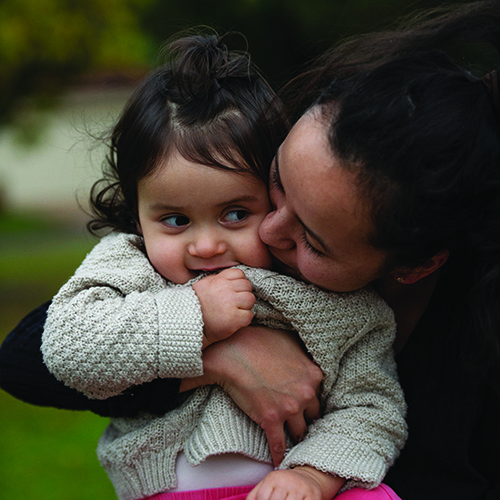
Patricia Ilchuk can still recall the day in August 2020 when her daughter Manna – then five weeks old – had her first seizure.
This study aimed to map the national, regional and local prevalence of hypertension and diabetes in Ethiopia.
Here, we present the complete genome sequence of Pseudomonas aeruginosa phages Kara-mokiny 1, Kara-mokiny 2, and Kara-mokiny 3. These phages have lytic capabilities against P. aeruginosa and belong to the myovirus morphotype. The genomes of Kara-mokiny 1 and Kara-mokiny 2 are 67,075 bp while that of Kara-mokiny 3 is 66,019 bp long.
The majority of children acquire language effortlessly but approximately 10% of all children find it difficult especially in the early or preschool years with consequences for many aspects of their subsequent development and experience: literacy, social skills, educational qualifications, mental health and employment.