
Search
NDD's such as ASD, ADHD and ID, commonly emerge during early development and impacts function across cognitive, social-emotional, communication and sensorimotor
We aim to provide our view of where we are and where we need to go as a community of clinicians and researchers who tackle the public health problem of asthma.
This evidence-based consensus guideline presents recommendations and discusses the graded evidence (using the GRADE system) for these recommendations.
This study investigated the extent to which prenatal and perinatal risk factors were associated with LLE in a population-level sample of twins at age 2 without overt disability.
The completeness of the coverage of a genome assembly is a critical starting point for all genomic projects so considerable attention is given to the sequencing metrics, which showed high indicators of success.
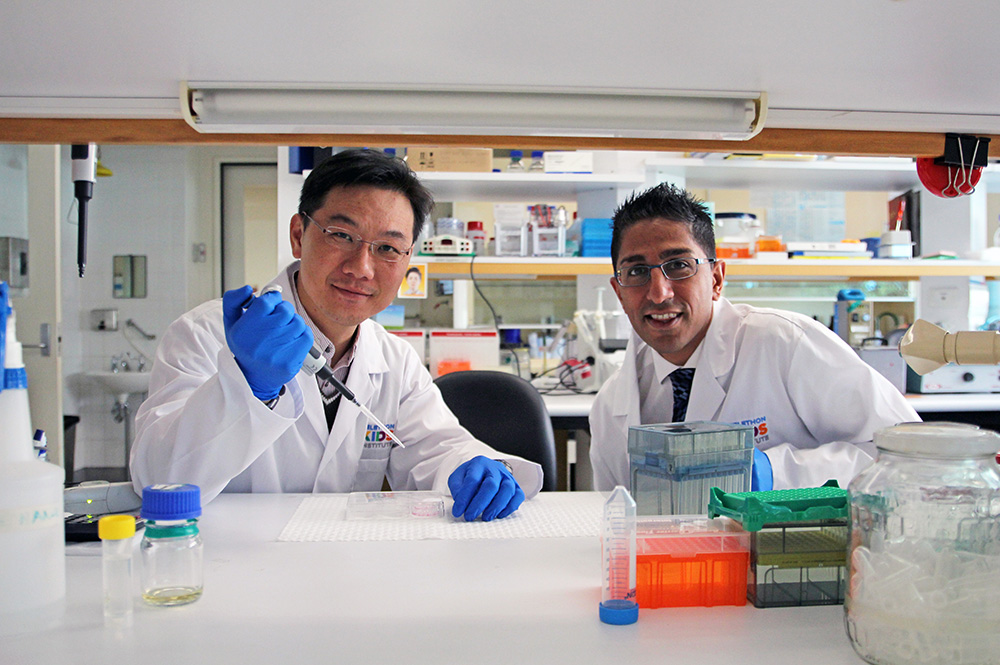
The Kids Research Institute Australia researchers may have unlocked a vital key to reducing the progression of leukaemia in children, potentially prompting a change in thinking around the best way to target treatment.

Two years on, Michelle and Dartanyon’s health and quality of life have significantly improved. We caught up with Michelle to hear about their journey since we first met them.

The Kids is collaborating with government agencies, parents and school representatives to trial an innovative intervention delivered through schools to increase parents’ knowledge and skills to delay and reduce teenage alcohol use.
The World Health Organisation resolution for global action to tackle rheumatic heart disease (RHD) will have significant implications for Australia, which has some of the highest rates of the disease in the world.

Researchers conducted a series of group interviews with young people to find out how much they knew about energy drinks and the consequences of drinking them.