
Search
Non-pharmaceutical interventions (NPIs) to reduce SARS-CoV-2 transmission disrupted respiratory virus seasonality. We examined the unusual return of human metapneumovirus (hMPV) in Western Australia following a period of absence in 2020.
Children typically experience more mild symptoms of Coronavirus Disease 2019 (COVID-19) when compared to adults. There is a strong body of evidence that children are also less susceptible to Severe Acute Respiratory Syndrome Coronavirus 2 (SARS-CoV-2) infection with the ancestral viral isolate.
The COVID-19 pandemic has impacted new mothers’ wellbeing and breastfeeding experience. Women have experienced changes in birth and postnatal care and restricted access to their support network. It is unclear how these impacts may have changed over time with shifting rates of infection and policies restricting movement and access to services in Australia and New Zealand.
The COVID-19 pandemic has required novel solutions, including heat disinfection of personal protective equipment (PPE) for potential reuse to ensure availability for healthcare and other frontline workers.
Culturally and Linguistically Diverse (CALD) groups within high-income countries are at risk of being left behind by the COVID-19 vaccination rollout. They face both access and attitudinal barriers, including low trust in government and health authorities.
Many governments and institutions mandated COVID-19 vaccines. In late 2021, we sought to ascertain the perspectives of staff and students from The University of Western Australia about the State or the University mandating COVID-19 vaccines.
Previous studies have shown that national cultural traits, such as collectivism–individualism and tightness–looseness, are associated with COVID-19 infection and mortality rates.
The Kids Research Institute Australia position on schools and COVID-19 in Western Australia
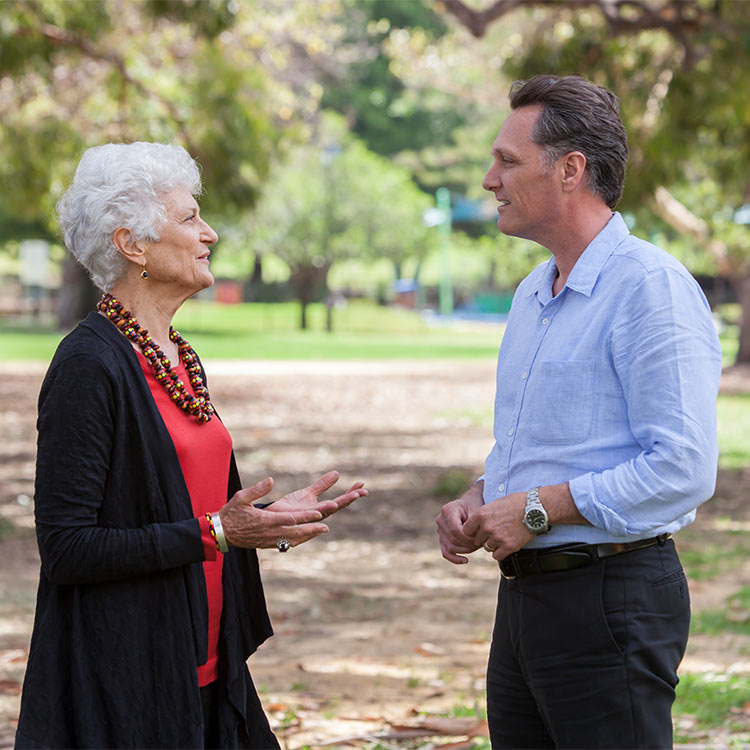
A letter to the WA public from Jonathan Carapetis and Fiona Stanley.
Engaging the community in COVID-19 rapid research