
Search

Secondary students have the opportunity to hear from Associate Professor Asha Bowen, a 2018 L’Oreal-UNESCO Women in Science Fellow, in a free online event this National Science Week.
The Kids Research Institute Australia's annual report highlights the accomplishments of our researchers, furthering our mission to secure a happier, healthier future for kids everywhere.

Healthy skin is a vital factor in the fight against life-threatening conditions like sepsis, heart disease and kidney disease, all of which can be caused by the bacteria Strep A.
On this Research Impact page, we list stories helping demonstrate how we collaborate with other leaders, innovators, communities, and international stakeholders to ensure excellent research results. The better our results, the better the chances of research making a real difference.

Efforts to improve health outcomes for Aboriginal children have been accelerated thanks to almost $1 million in National Health and Medical Research Council (NHMRC) funds awarded to skin health researchers at The Kids Research Institute Australia.
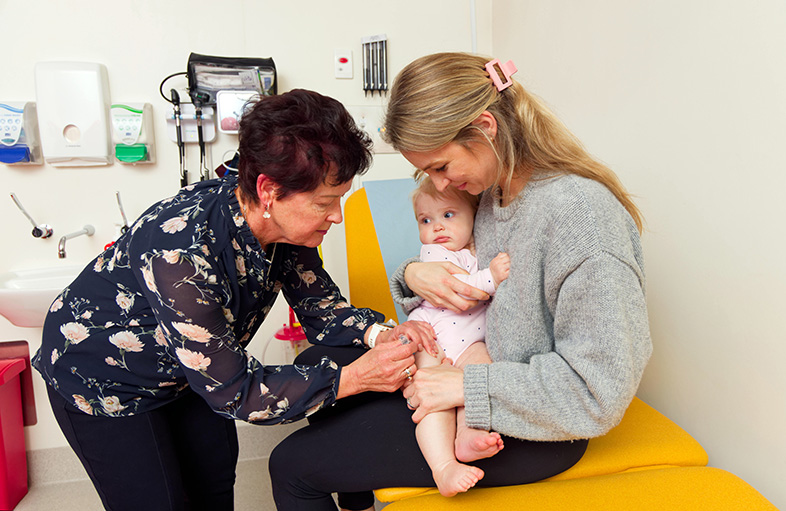
Aims to prevent, diagnose, and treat infectious diseases, with a strong focus on developing effective vaccines and improving immunity across populations. This theme addresses both emerging and persistent infections that impact children's health worldwide.
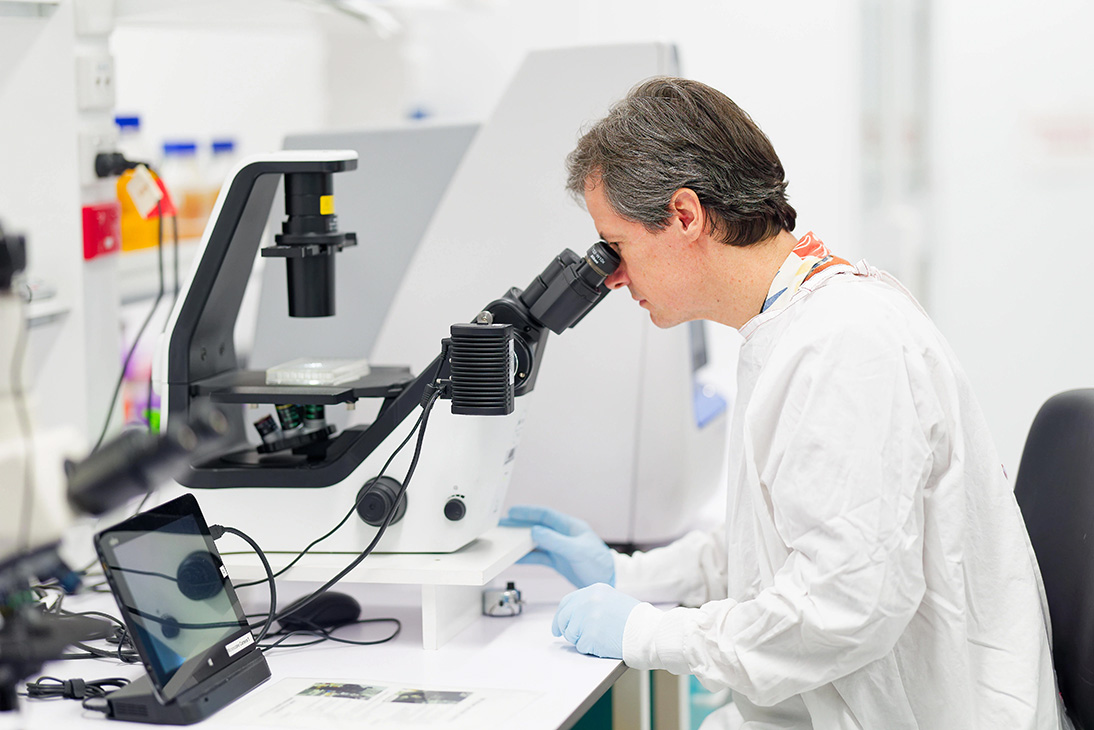
At The Kids Research Institute Australia, we've been thinking of the kids for 35 years. We are finding the answers to some of the biggest problems facing the health and wellbeing of children and families. Our Research Themes host defined programs of work where the Institute has clear strengths and capacity. Our overarching commitment to First Nations Health and Equity is embedded across all our work and features as a core consideration in each Research Theme. The Institute is committed to ending the disparity in health and wellbeing outcomes between Aboriginal and non-Aboriginal kids and families.

Senior Manager, Research Platforms
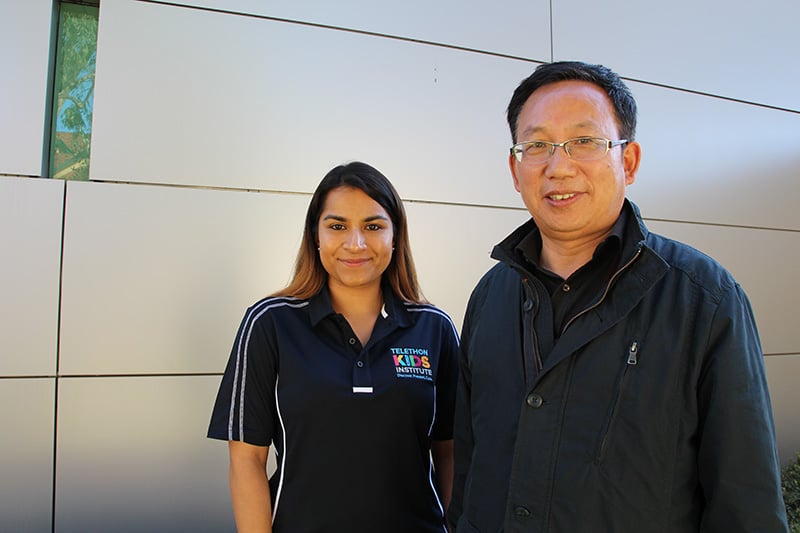
Chinese immigrants who live in a Western environment like Australia have an increased risk of allergies, hay fever and asthma, new research led by Curtin University and The Kids Research Institute Australia has found.
Scabies infection is associated with heightened total IgE immunoglobulin and IgE antibodies to scabies antigens, with both being extremely high for crusted scabies patients. The IgE antibodies cross-react with house dust mite allergens with high reactivity found to the minor allergen arginine kinase.