
Search
The research that is reducing the impact on families done by The Kids Research Institute Australia.
Ask our experts a question about the COVID-19 pandemic.
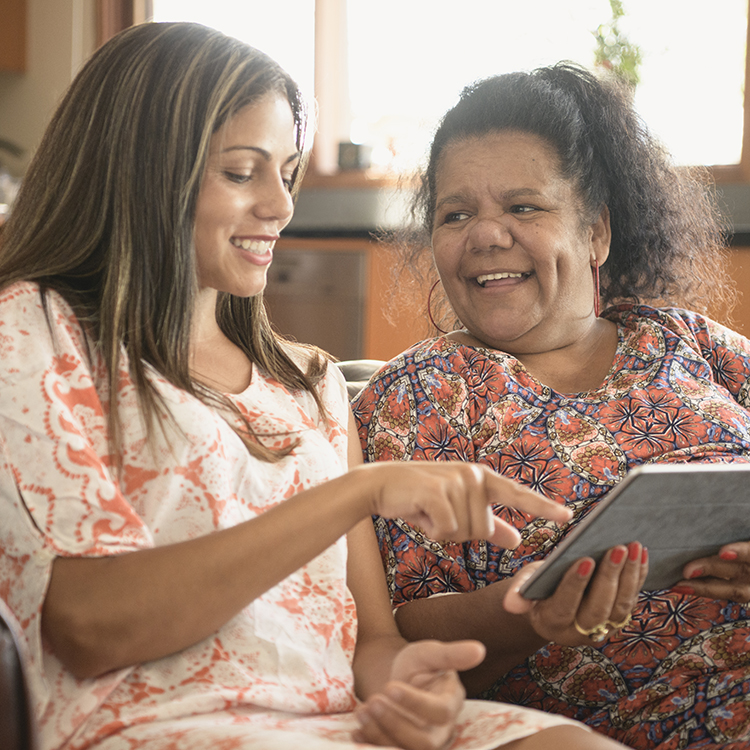
A number of organisations have created COVID-19 resources specifically developed for Aboriginal and Torres Strait Islander people.
Health care workers (HCWs) are at an increased risk of catching and spreading Coronavirus Disease 2019 (COVID-19) compared with the general community, putting health systems at risk. Several jurisdictions globally have mandated or are looking to mandate COVID-19 vaccines for this cohort, but little is known about the acceptability of this measure, especially in different contexts, and there is little qualitative data to explore nuance, depth, and the reasons behind HCWs’ opinions.
The COVID-19 pandemic, coupled with significant social changes due to legislative and public health requirements, has changed the way in which people experience grief. We examined whether dysfunctional grief symptoms, disrupted meaning, risk factors, and functional impairment differed between people bereaved from COVID-19 and from other natural or violent causes in this same period.
MEDIA ENQUIRIES Discover. Prevent. Cure. Mailing list Media contacts About The Kids Be Inspired Please direct general enquiries to our reception on (
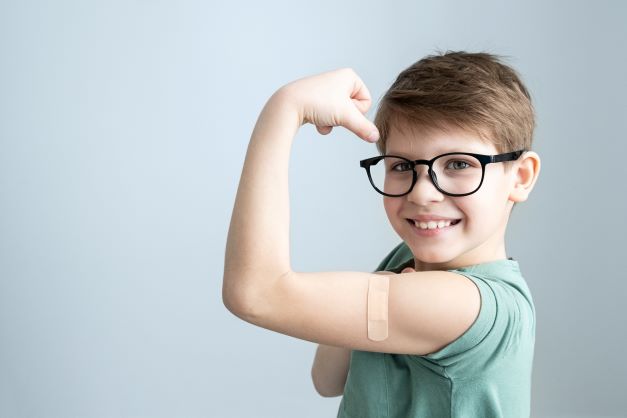
A first-of-its-kind national study looking at the optimal COVID-19 vaccination strategies for children and adolescents is set to begin at Perth’s The Kids Research Institute Australia thanks to a $3.8 million funding injection from the Australian Government’s Medical Research Future Fund (MRFF).
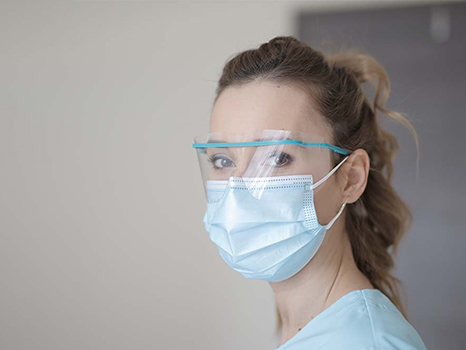
Sophisticated modelling produced is predicting a steady decline in COVID-19 cases in WA throughout August, but hospitalisation rates will remain relatively high.
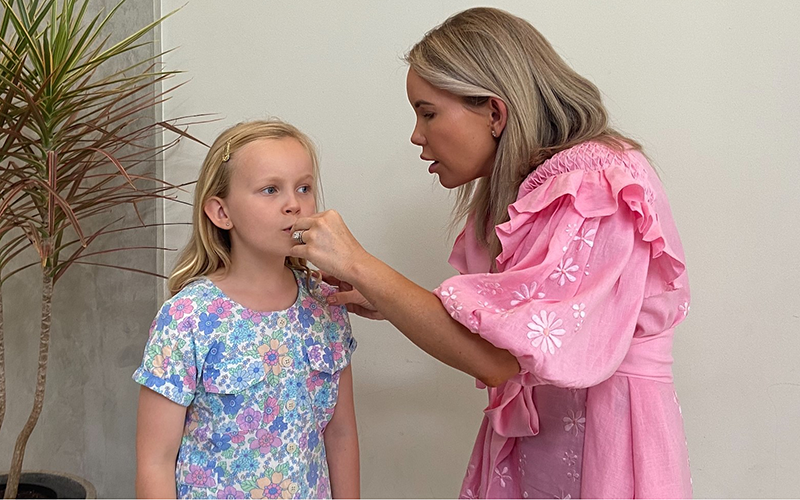
Researchers will be asking random households across metropolitan Perth to undertake COVID tests to reveal how much undetected infection is in the community.
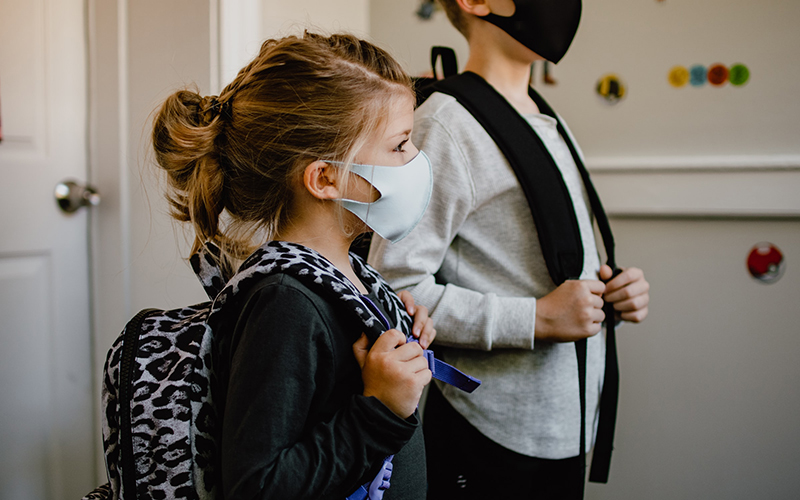
West Australian children as young as Year 3 are now turning up to school in masks, presenting a new challenge for kids, parents and schools.