
Search
Pet ownership brings many health benefits to individuals. In children developmental benefits can extend to improved self-esteem, better social competence and decreased loneliness. The majority of households with children own a dog, however only a small proportion of children gain the benefits of dog ownership through dog walking and play. There are few intervention studies investigating the impact of dog-facilitated physical activity in children. The PLAYCE PAWS study aims to test a minimal-contact intervention through the use of mobile health ("mhealth") strategies, i.e. text (SMS) messages, to parents to encourage their children to walk and play with their dog more, and evaluate the impact on children's overall physical activity and development.
Energy drinks (EDs) claim to boost mental performance, however, few studies have examined the prospective effects of EDs on mental health. This study examined longitudinal associations between ED use and mental health symptoms in young adults aged 20 years over a 2-year period.
Benefits of physical activity are well recognized for youth with type 1 diabetes mellitus (T1DM), but being active is challenging. In this study, we aimed to investigate the challenges experienced by adolescents, their parents and young adults with T1DM when they are physically active.
The findings provide a method for assessing a wide range of factors that may be associated with obesity among companion dogs
The neighbourhood physical environment has a weak but significant association with early childhood development
This study examined stakeholders' perceptions regarding the acceptability, usability, and dissemination of the Australian 24-Hour Movement Guidelines
Both the Nature play and fundamental movement skills professional development programs were effective in improving educators’ self-efficacy to engage children
The provision of shade, particularly through natural forms such as tree canopy, is an important sun protection strategy and enabler of outdoor time
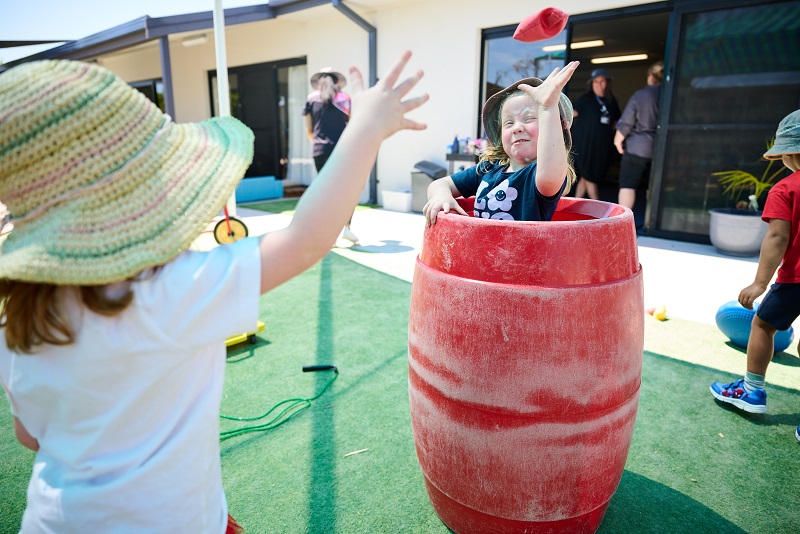
Our Child Physical Activity, Health and Development team focuses on improving children’s physical activity levels, health and development. We work to uncover the best environments, policies and programs to facilitate physically active lifestyles for lifelong health and wellbeing.
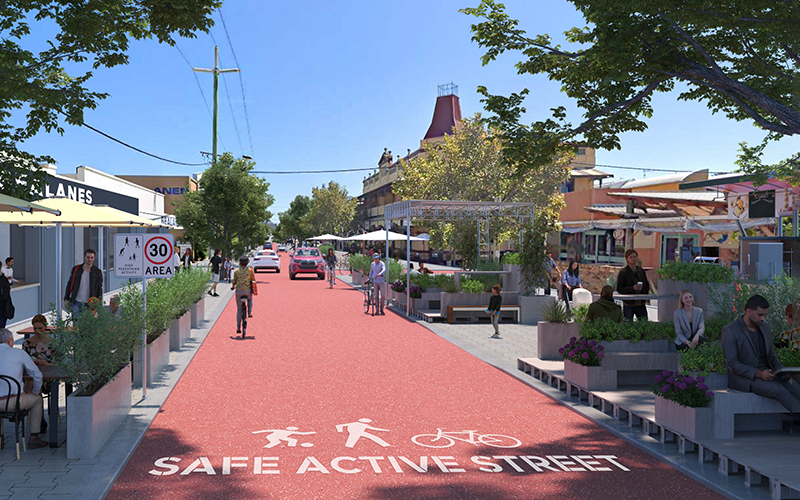
Researchers have identified 10 Australian shopping strips where the removal of on-street parking would transform the area’s liveability.