
Search
Irritability is a transdiagnostic indicator of child and adolescent internalizing and externalizing problems that is measurable from early life. The objective of this systematic review was to determine the strength of the association between irritability measured from 0 to 5 years and later internalizing and externalizing problems, to identify mediators and moderators of these relationships, and to explore whether the strength of the association varied according to irritability operationalization.
Equitable SARS-CoV-2 surveillance in low-resource communities lacking centralized sewers is critical as wastewater-based epidemiology (WBE) progresses. However, large-scale studies on SARS-CoV-2 detection in wastewater from low-and middle-income countries is limited because of economic and technical reasons.
Previous research has demonstrated wellbeing benefits for positive education programmes (PEPs) facilitated by clinicians or experts or outside the school context. The current study explored the effects of a Year 10 PEP led by teachers trained in positive education and embedded within the Australian secondary school context.
The global population has been severely affected by the coronavirus disease 2019 (COVID-19) pandemic, however, with older age identified as a risk factor, children have been underprioritized. This article discusses the factors contributing to the less severe response observed in children following infection with severe acute respiratory syndrome coronavirus 2 (SARS-CoV-2), including, differing viral entry receptor expression and immune responses.
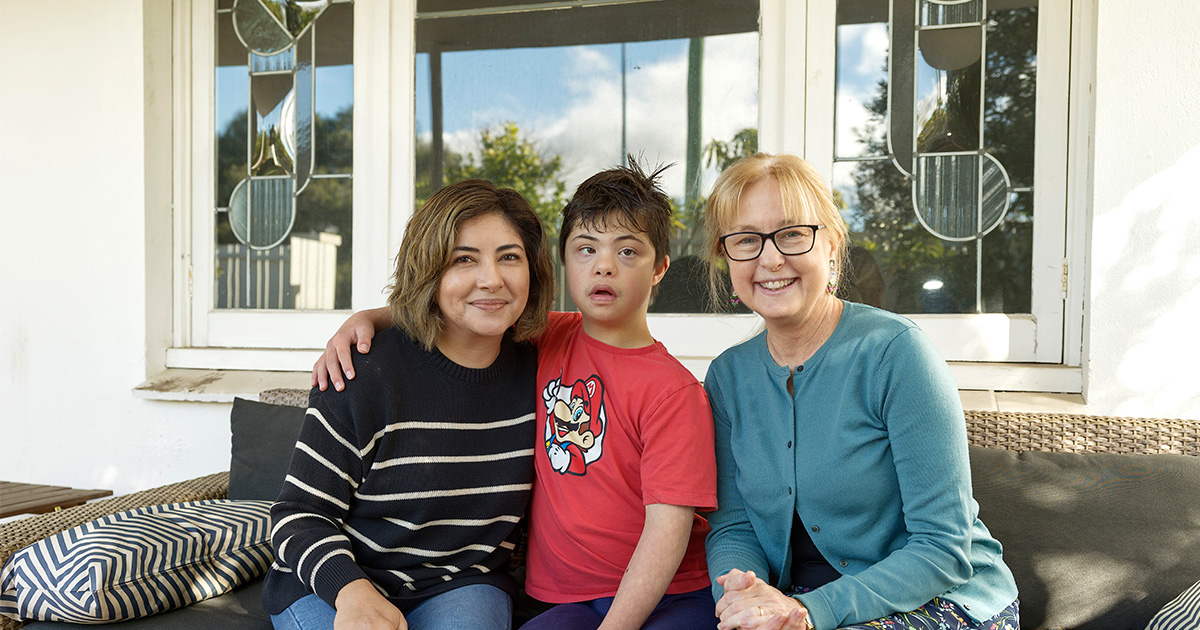
Today, on World Down Syndrome Day, we celebrate the lives, achievements, and invaluable contributions of people with Down syndrome.

Congratulations to four outstanding early-career researchers from The Kids Research Institute Australia, who have been awarded BrightSpark Foundation fellowships and project funding for 2026.

Western Australia’s biggest and only medical research institute dedicated to improving kids’ health and wellbeing has rebranded to The Kids Research Institute Australia.
Invasive pulmonary aspergillosis remains a major cause of morbidity and mortality for immunocompromised children, particularly for patients with acute leukaemia and those undergoing haematopoietic stem cell transplantation. Timely diagnosis, using a combination of computed tomography (CT) imaging and microbiological testing, is key to improve prognosis, yet there are inherent challenges in this process. For CT imaging, changes in children are generally less specific than those reported in adults and recent data are limited.
Following reduction of public health and social measures concurrent with SARS-CoV-2 Omicron emergence in late 2021 in Australia, COVID-19 case notification rates rose rapidly. As rates of direct viral testing and reporting dropped, true infection rates were most likely to be underestimated.
In mid-2018, the Australian childhood 13-valent pneumococcal conjugate vaccine schedule changed from 3+0 to 2+1, moving the third dose to 12 months of age, to address increasing breakthrough cases of invasive pneumococcal disease (IPD), predominantly in children aged >12 months. This study assessed the impact of this change using national IPD surveillance data.