
Search

Pioneering Aboriginal psychiatrist, researcher and mental health champion Professor Helen Milroy has been named joint winner of the 2020 Australian Mental Health Prize.
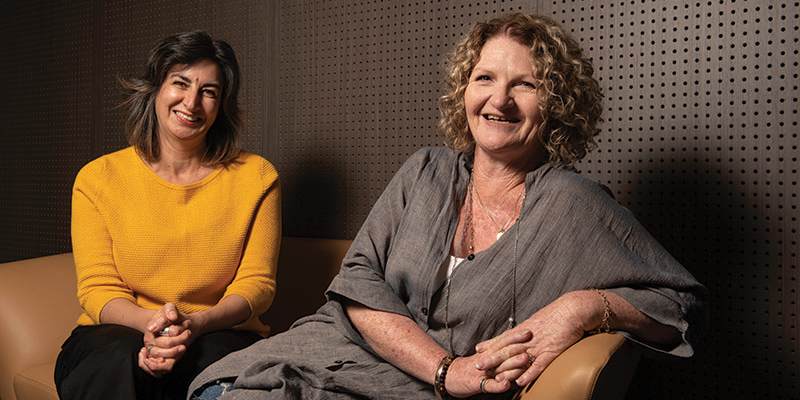
Embrace – a new research collaboration based at The Kids – will bring a new focus to understanding and improving the mental health of children and young people.

While depression and anxiety can have similar signs and symptoms, they also have some distinct features.

Two leading The Kids Research Institute Australia researchers will use more than $1.1 million in National Health and Medical Research Council funding to improve outcomes for some of the world’s most vulnerable children and young people.
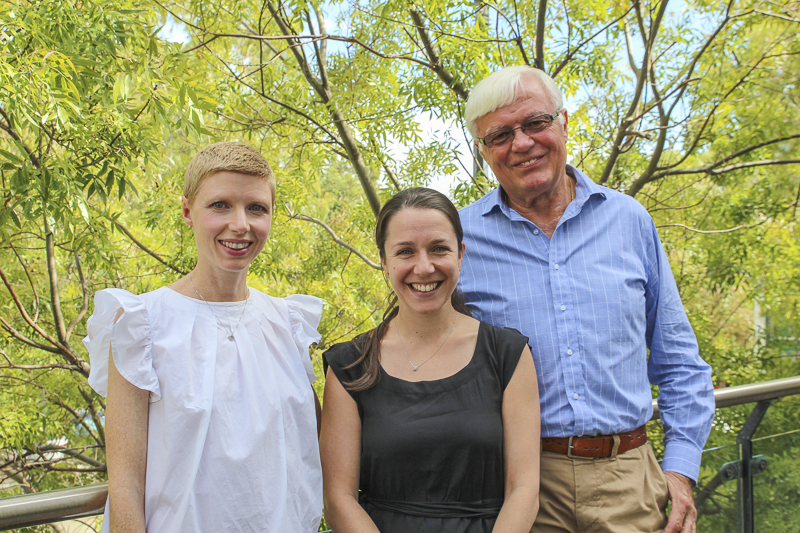
With mental health issues an escalating problem among young people, looking after the mental health of future generations has never been more
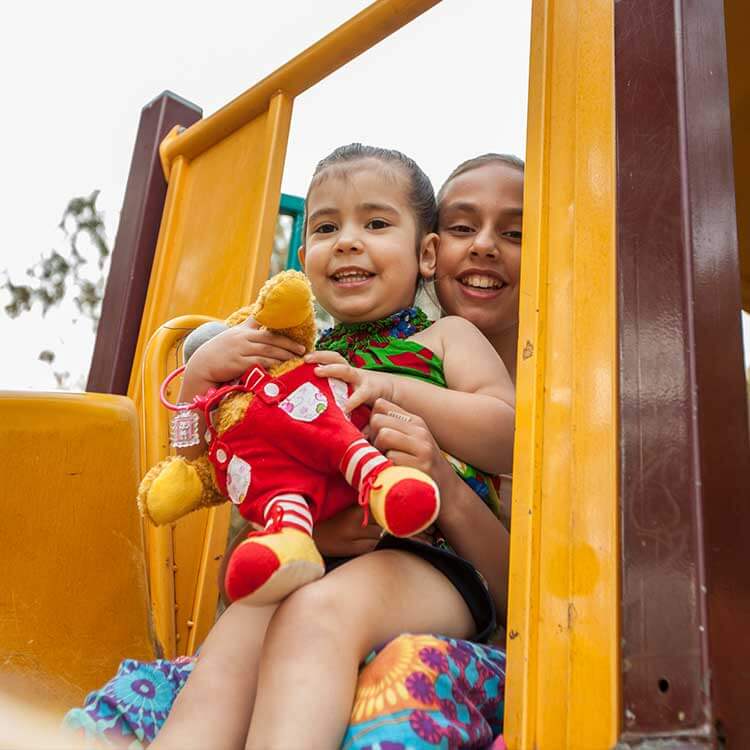
Australian researchers join global effort to better understand how events during pregnancy and childhood influence the development of disease later in life.
Many trans young people seek mental health support and gender-affirming medical interventions including puberty suppression, gender-affirming hormones and/or surgeries. Trans young people and their parents face multiple barriers in accessing gender-affirming care and mental health support, however little is known about the parent perspective on accessing services for their trans child.
Dissociative symptoms are linked to experiences of trauma, often originating in childhood and adolescence. Dissociative disorders are associated with a high burden of illness and a poor quality of life. Despite evidence suggesting that early intervention can improve outcomes, little research exists on the treatment of dissociative disorders in childhood and adolescence.
Parental support is strongly correlated with protective factors for trans youth, however, most experience unsupportive parental attitudes. We aimed to better understand how youth perceive parental reactions to their gender identity disclosure and what they consider to be barriers to, and facilitators of, support.
Cognitive impairment is a well-documented predictor of transition to a full-threshold psychotic disorder amongst individuals at ultra-high risk (UHR) for psychosis. However, less is known about whether change in cognitive functioning differs between those who do and do not transition.