
Search
Showing results for "rishi kotecha"
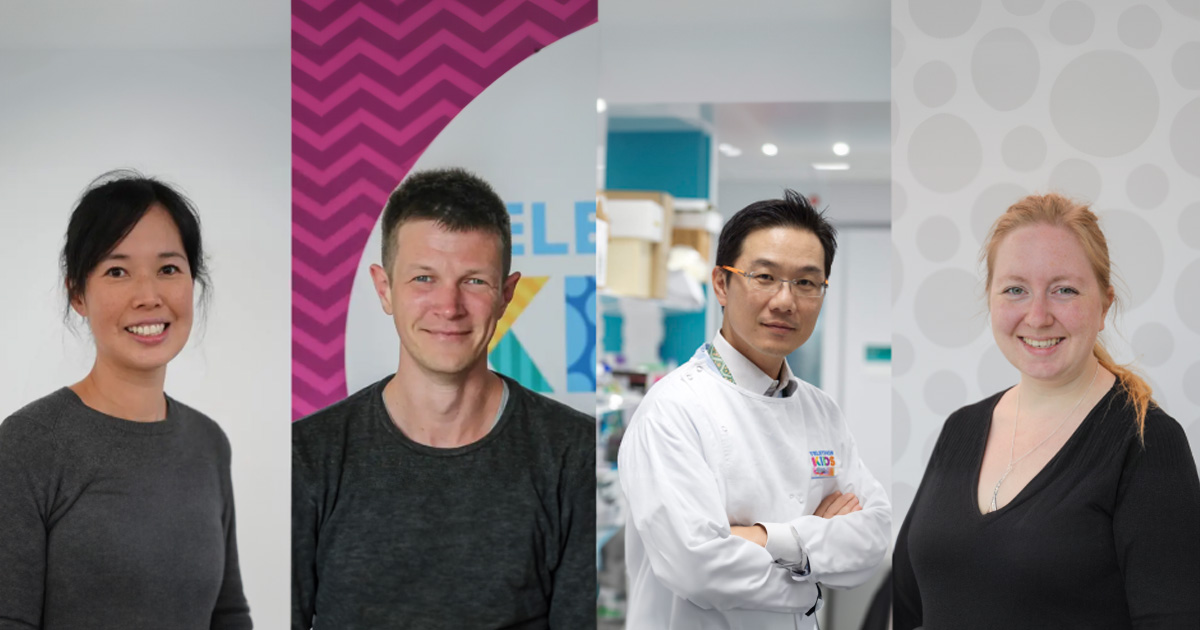
Congratulations to four outstanding The Kids Research Institute Australia researchers who have received funding designed to support researchers who have narrowly missed out on highly competitive national funding.
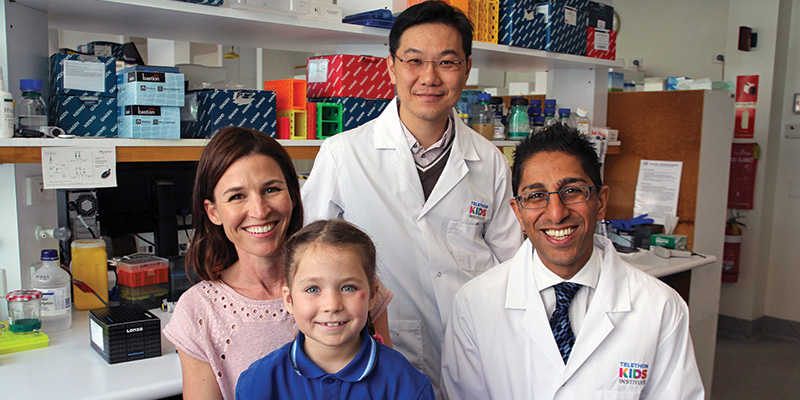
When three-year-old Flo Parker injured her hip on a camping trip five years ago, her parents thought it would be nothing more than a common childhood injury.
Four The Kids Research Institute Australia researchers have received prestigious fellowships and four significant cohort studies led or co-led by The Kids have received key grants under two new funding programs supported by the State Government’s Future Health Research and Innovation (FHRI) Fund.
On this Research Impact page, we showcase real game-changers - research that changes the very way other scientists around the world think and approach challenges. The far-reaching impact on children and families for all the stories shown on these pages is both exciting and significant.
Cancers in children are very different from cancers in adults - in most cases they appear to strike simply at random. They also develop differently and can spread more rapidly and aggressively. And because cancers in children are not obviously linked to their lifestyles, much work is needed to pinpoint their cause.
Stillbirth is a critical public health issue worldwide. While the rates in high-income countries are relatively low, there are persistent between-country disparities. We compared stillbirth rates and trends in Wales and the State of Western Australia (WA), Australia, and provide insights into any differences.
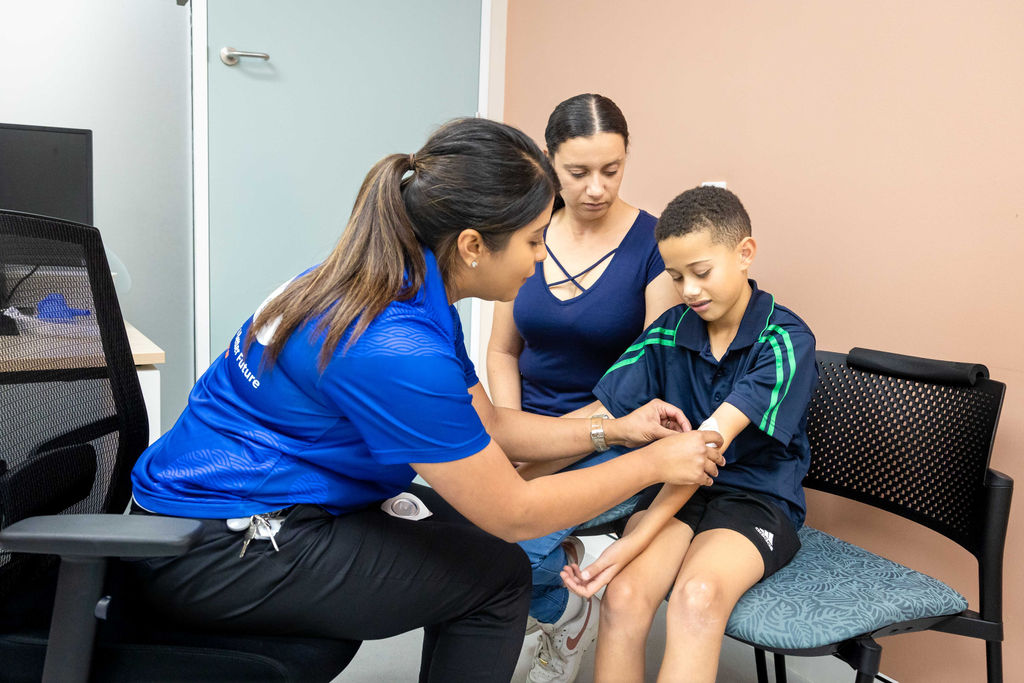
Exploring opportunities for early diagnosis and intervention and the impact this has on improving family healthcare.
Postdoctoral Research Fellow
Our team aims to better understand how the immune response to immune challenges, such as viral infections can influence the risk of developing asthma or autoimmune disease.
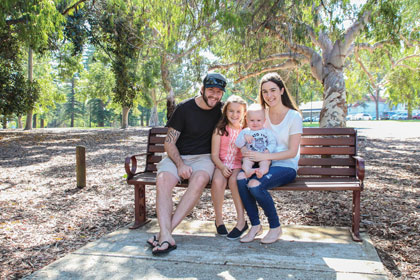
Michelle Pianta knew deep down something was very wrong with her seven-and-a-half month old son Jackson as she waited at Bunbury Hospital for his blood results.