
Search
Parent-infant interactions provide the foundation for the development of infant socioemotional wellbeing. Preterm birth can have a substantial, and often detrimental, impact on the quality of early parent-infant interactions. Sensory processing difficulties, common in preterm infants, are further associated with poorer interaction quality.
The prevalence of stillbirth in many high income countries like Australia has remained unchanged for over 30 years. The 2018 Australian government Senate Select Committee on Stillbirth Research and Education highlighted the need for a public health campaign to encourage public conversations and increase awareness.
The prevalence of mental illness is a critical public health issue. In Australia, the prevalence of mental illness is similar across all settings, however, people living in rural and remote areas experience worse outcomes than their urban counterparts. Access to mental health services is critical, however, the notion of accessibility needs to be understood in the context of the uniqueness and variability of the rural experience.
Yael Perry BPsych (Hons) MPsych (Clin) PhD Head, Youth Mental Health 08 6319 1298 yael.perry@thekids.org.au Head, Youth Mental Health @yaelperry she/
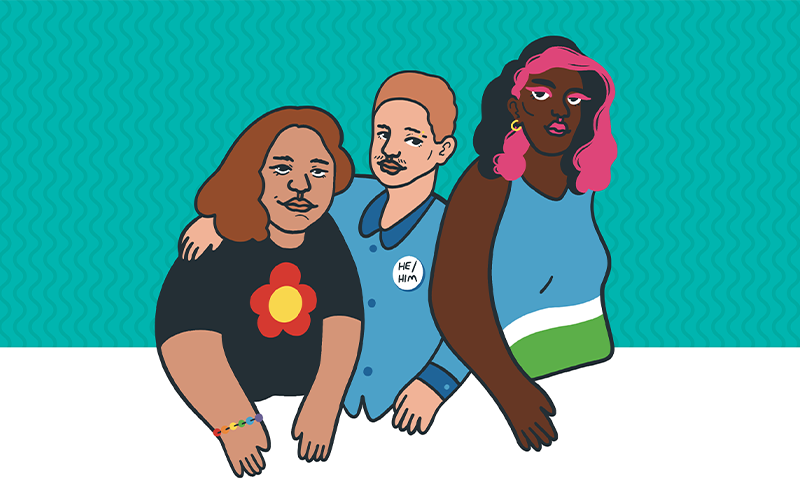
These guidelines outline a set of best practices for suicide prevention in LGBTQA+ young people, targeting both clinical and community service providers.
This study aimed to evaluate and compare the effectiveness of two brief written anti-stigma resources.
Helen Yael Morgan Perry BA (Hons), Doctor of Psychology BPsych (Hons) MPsych (Clin) PhD Senior Project Coordinator Head, Youth Mental Health 08 6319
This project aims to investigate the long-term impacts of top surgery – a term encompassing both chest reconstructive surgery and breast augmentation – on gender dysphoria, mental health, well-being and quality of life in trans and gender diverse individuals.
The goal of this project is to is to increase capacity of ACCO staff to work with Aboriginal and Torres Strait Islander LGBTQA+ youth and their families, with the longer-term goal of improving health service access among this population.
Trans Pathways is set to receive an update ahead of the ten-year anniversary of the release of this seminal study from The Kids Research Institute Australia.