
Search
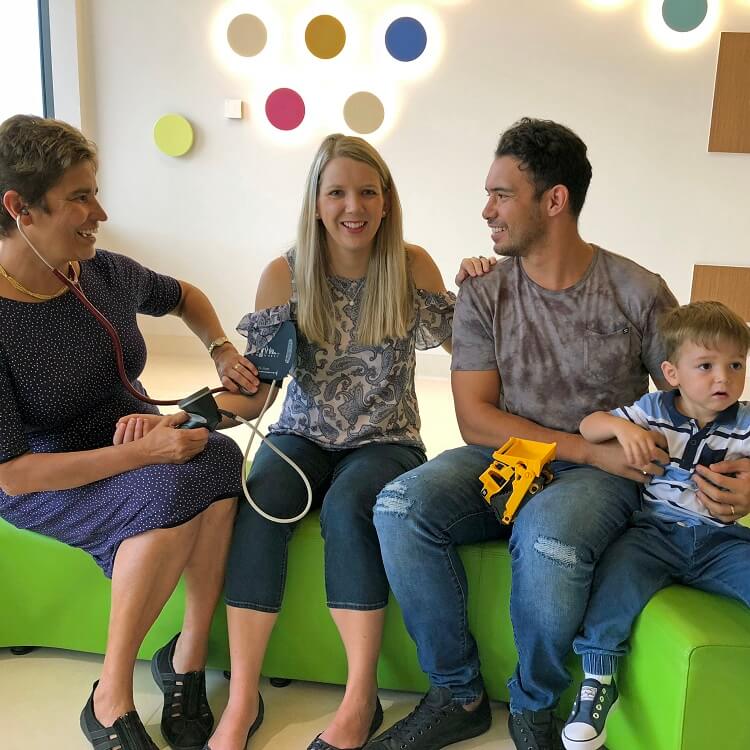
ORIGINS, a collaboration between The Kids and the Joondalup Health Campus, has achieved a major milestone – recruiting its 1000th family.
Overweight and obese children reported greater psychosocial distress than healthy weight children, and these differences were more pronounced for girls than boys.
With more than one in four Australian children overweight or obese, and the significant risks this poses for health problems like asthma, depression,...
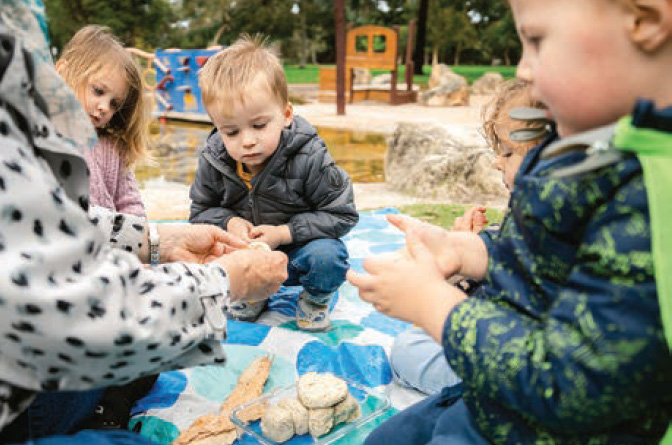
The ORIGINS Project is a decade-long longitudinal study of more than 18,000 individuals including mothers, partners and children, as part of a collaboration between The Kids Research Institute Australia and Joondalup Health Campus.
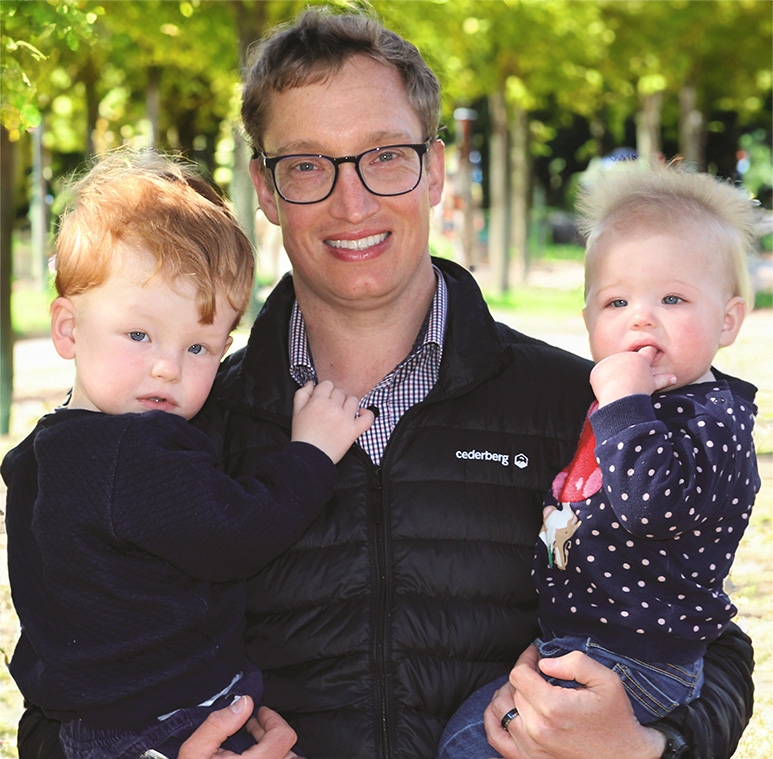
New dads can feel undervalued and face significant health and mental health risks following the birth of a child, according to new research that has prompted a rethink about how to address the often-unmet needs of fathers.
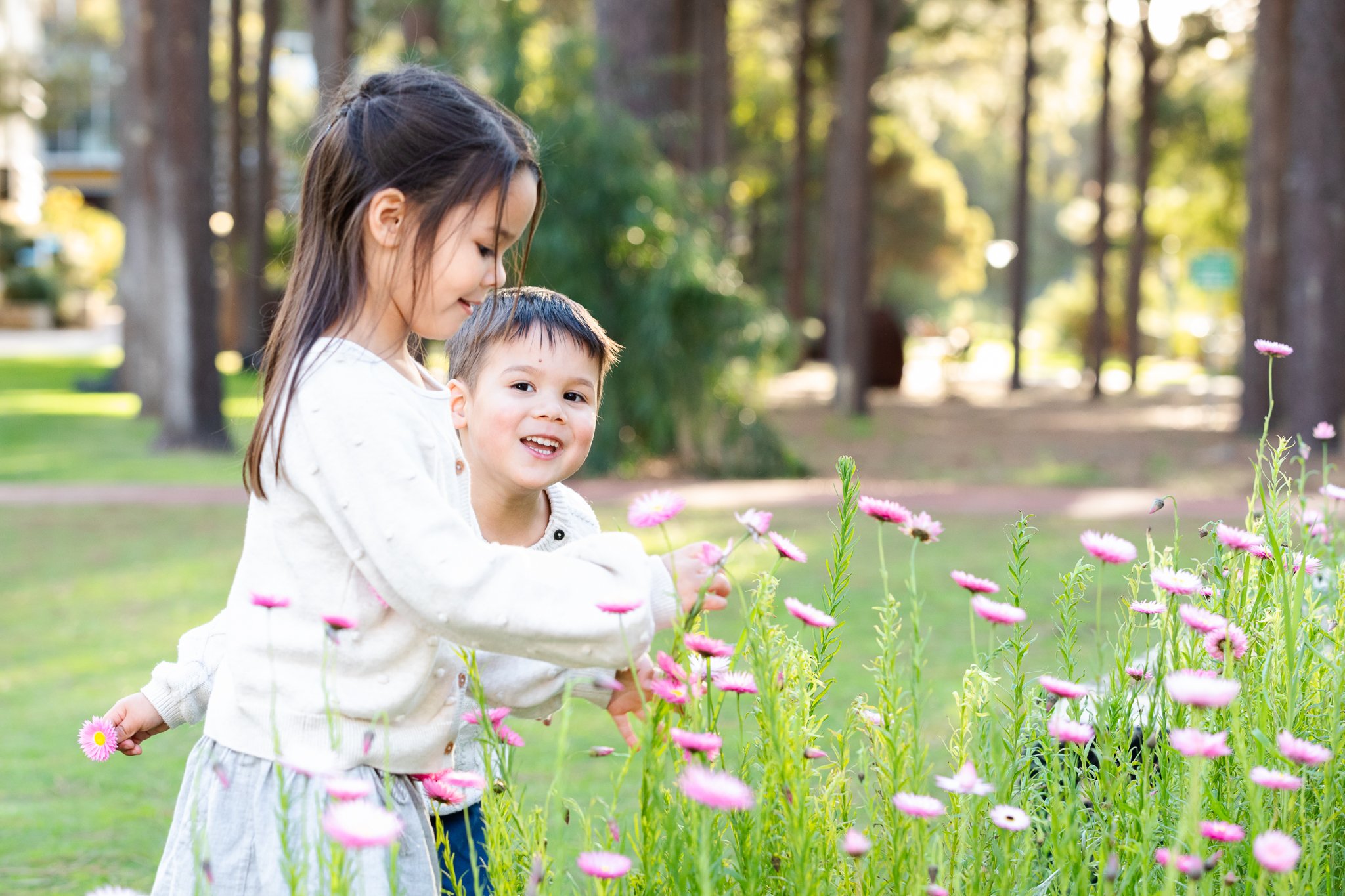
The ultimate goal of ORIGINS is to reduce the rising epidemic of non-communicable diseases through 'a healthy start to life'.
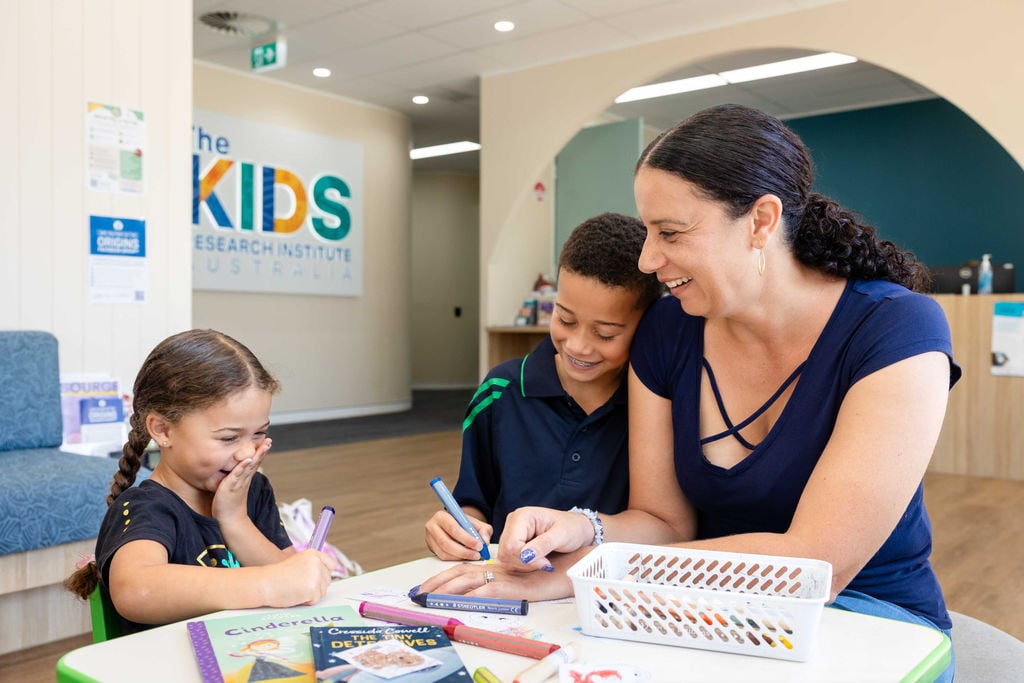
Get in touch with ORIGINS via email, phone, or visit us at The Kids Research Institute Australia in Edgewater or Nedlands.
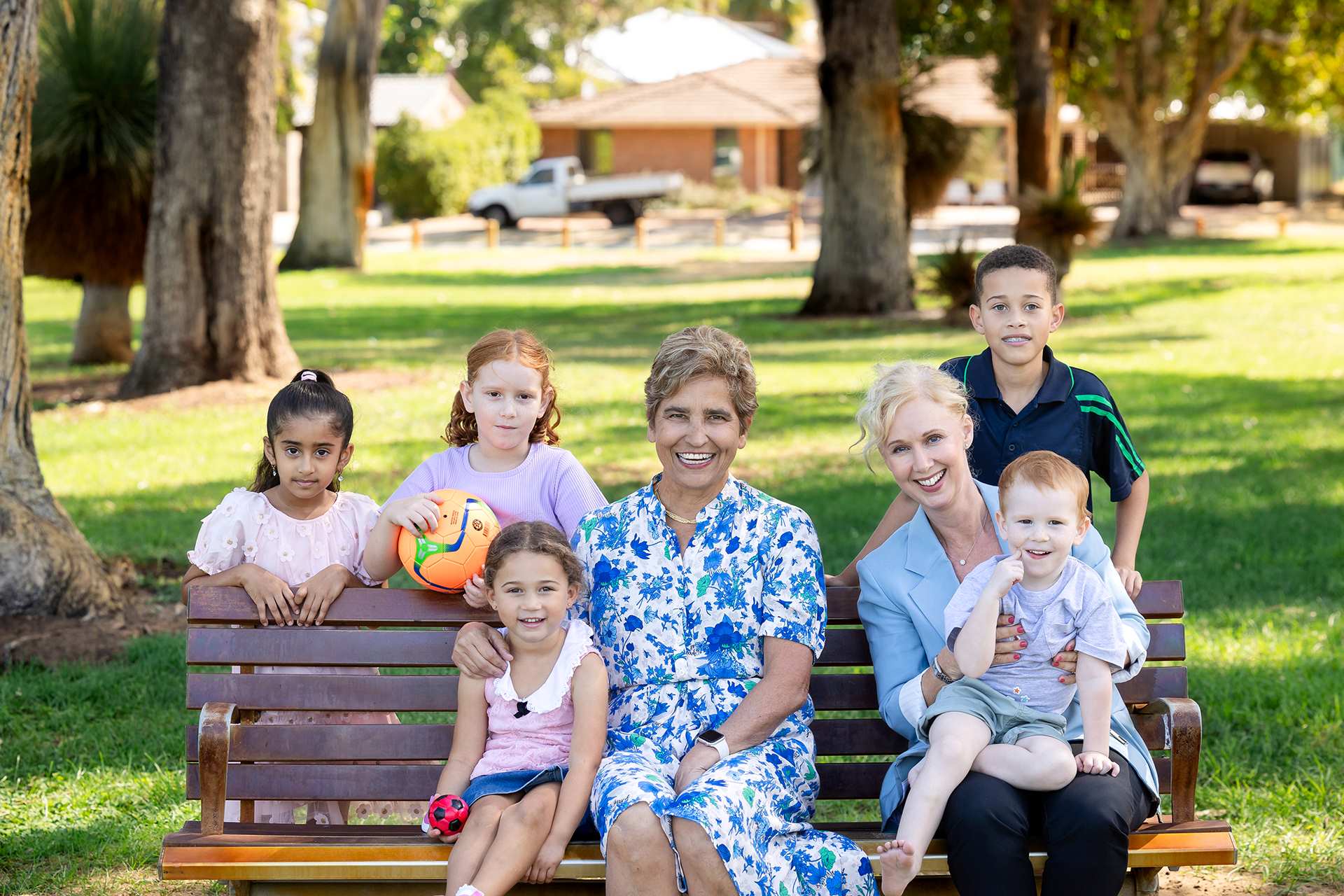
Our vision: lifelong flourishing for children and their families
Find out more about the activities and highlights of ORIGINS.
Meet the directors and researchers that make up the team behind ORIGINS.