
Search
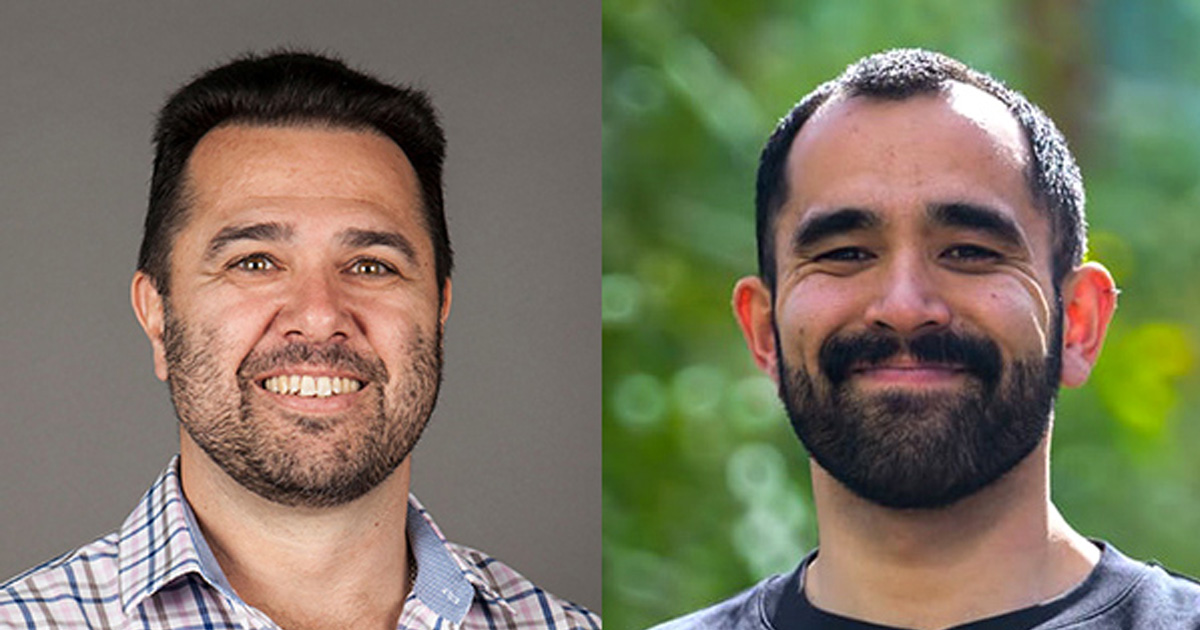
Researchers at The Kids Research Institute Australia are working with boys and young men in regional areas to help stamp out technology-based abuse of girls and young women.

Professor Andrew Whitehouse, the Angela Wright Bennett Professor of Autism Research and CliniKids Director, has been appointed Deputy Director (Research) at The Kids Research Institute Australia.

A world-first program for babies with delays in their social and communication skills has been launched in Western Australia, thanks to support from the National Disability Insurance Agency (NDIA).
Little is known about how or when language and visuospatial processing lateralise in the brain, and if individual differences in lateralisation are related to early language or visuospatial abilities. We explored if patterns of language and visuospatial lateralisation are related to cognitive skills in young children.
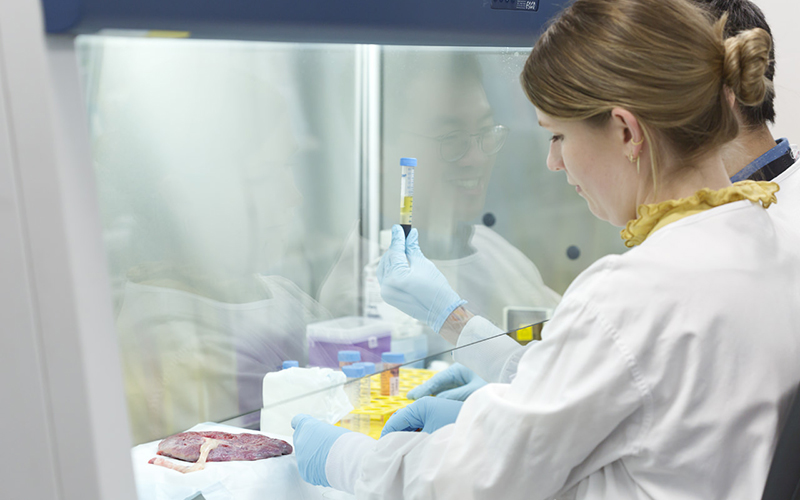
Four The Kids Research Institute Australia-based biobanks which underpin a range of cancer, respiratory and early life research have received more than $450,000 in funding.
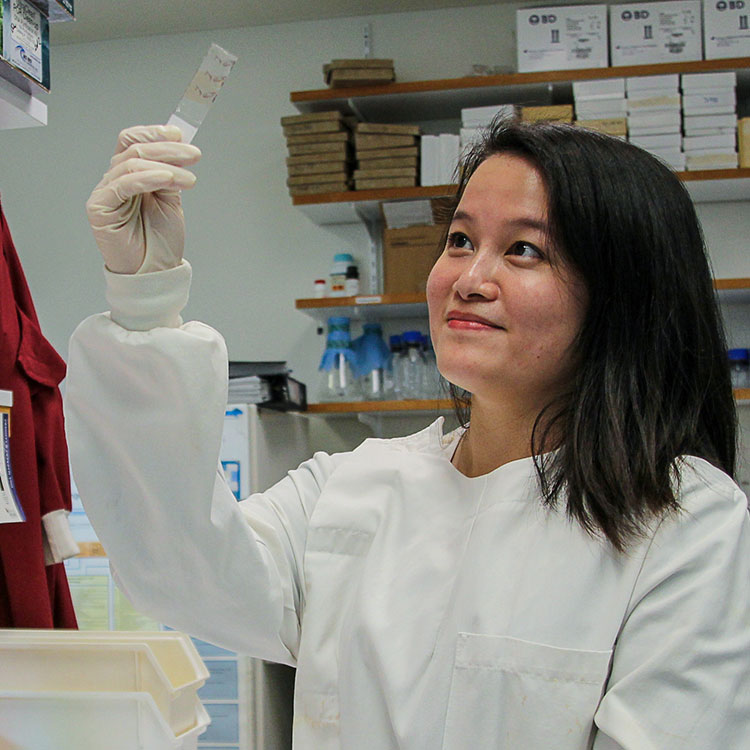
The Kids Research Institute Australia researchers have been awarded five of eight State Government awards designed to help cover the hidden costs of conducting research.

Secondary students have the opportunity to hear from Associate Professor Asha Bowen, a 2018 L’Oreal-UNESCO Women in Science Fellow, in a free online event this National Science Week.
Septo-optic dysplasia (SOD) is a major cause of congenital hypopituitarism and is known to be associated with overweight and obesity in up to 44% of children. Given the role of the hypothalamus in hormonal regulation, we sought to assess the association of resting energy expenditure (REE), appetite and physical activity with SOD.
Multiple SARS-CoV-2 variants have emerged over the COVID-19 pandemic. The implications for COVID-19 severity in children worldwide are unclear. The objective was to determine whether the dominant circulating SARS-CoV-2 variants of concern (VOCs) were associated with differences in COVID-19 severity among hospitalized children.
Structural lung changes seen on computed tomography scans in persons with primary ciliary dyskinesia are currently described using cystic fibrosis derived scoring systems. Recent work has shown structural changes and frequencies that are unique to PCD, indicating the need for a unique PCD-derived scoring system.