
Search
In children, chronic wet cough may be a sign of underlying lung disease, including protracted bacterial bronchitis (PBB) and bronchiectasis. Chronic (> 4 weeks in duration) wet cough (without indicators pointing to alternative causes) that responds to antibiotic treatment is diagnostic of PBB. Timely recognition and management of PBB can prevent disease progression to irreversible bronchiectasis with lifelong consequences. However, detection and management require timely health-seeking by carers and effective management by clinicians.
The burden of bronchiectasis is disproportionately high in Aboriginal adults, with early mortality. Bronchiectasis precursors, that is, protracted bacterial bronchitis and chronic suppurative lung disease, often commence in early childhood.
Biodiesel usage is increasing steadily worldwide as the push for renewable fuel sources increases. The increased oxygen content in biodiesel fuel is believed to cause decreased particulate matter (PM) and increased nitrous oxides within its exhaust.
Bronchiectasis (not related to cystic fibrosis) is a chronic lung disease caused by a range of etiologies but characterized by abnormal airway dilatation, recurrent respiratory symptoms, impaired quality of life and reduced life expectancy.
Respiratory disease is a leading cause of hospitalisations in children with cerebral palsy (CP). Over 40% of individuals with CP are born preterm; however, the relationship between prematurity, CP and respiratory disease is unknown.

Focusing on the developmental trajectories of respiratory health includes developing strategies to improve and support immune system function and development over the life course.

A ground-breaking global clinical trial to improve the lifelong lung health of children born extremely prematurely has been awarded a Medical Research Future Fund (MRFF) International Clinical Trials Collaborations Grant totalling almost $3 million.
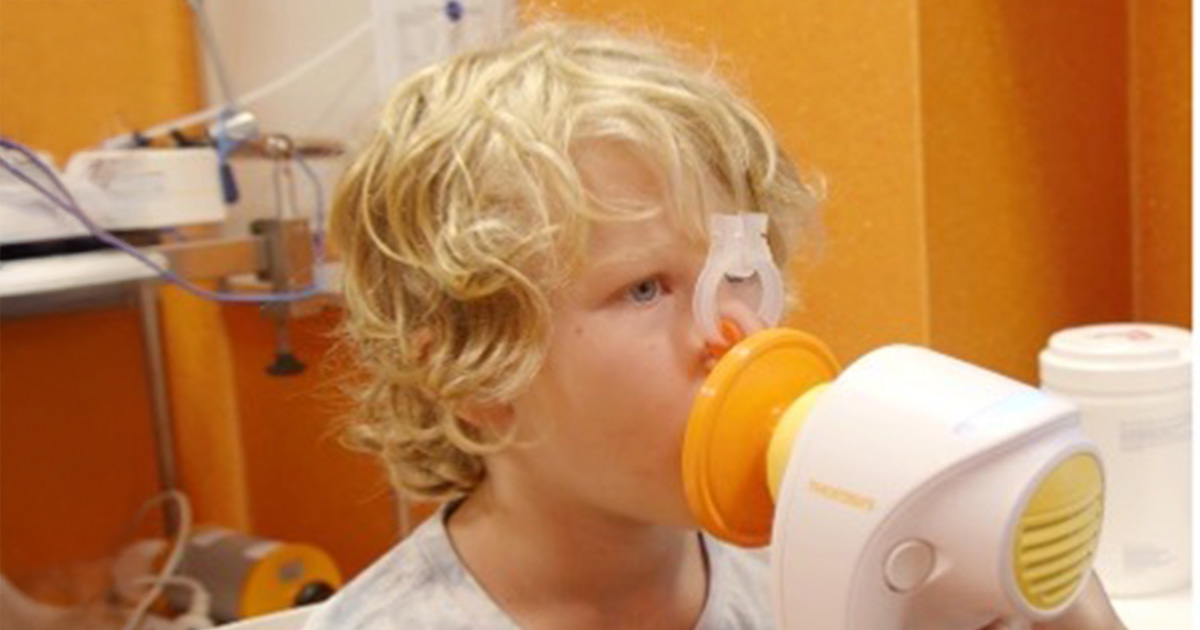
New hope is on the horizon for people living with cystic fibrosis.

Two projects led by The Kids Research Institute Australia have been awarded more than $2.5 million to fund innovative ideas focused, respectively, on combating persistent ear infections and investigating how dangerous fungi invade the bodies of immunocompromised people.

Congratulations to six researchers from The Kids Research Institute Australia, who will use valuable support from the Raine Medical Research Foundation’s 2024 grant round to undertake projects focused on improving the health and wellbeing of babies, children and young people.