
Search
Since colonisation in Australia, dominant western narratives have continually undermined the identity of Aboriginal and Torres Strait Islander peoples. Through a lens of subaltern theory, this article explores how Aboriginal children, their families, and their communities are spoken for and about as members of subaltern communities by non-Indigenous foster carers.
Access and adherence to cardiac rehabilitation (CR) remain suboptimal, particularly in rural and remote settings. This study evaluated the implementation of person-centred, evidence-based CR delivery model tailored to improve access and completion.
Children's development is dependent on a range of factors influencing their life course outcomes. Protective and challenging social and cultural determinants impact how Indigenous families support their children's developmental foundations. However, there is a lack of international evidence investigating Indigenous child development interventions.
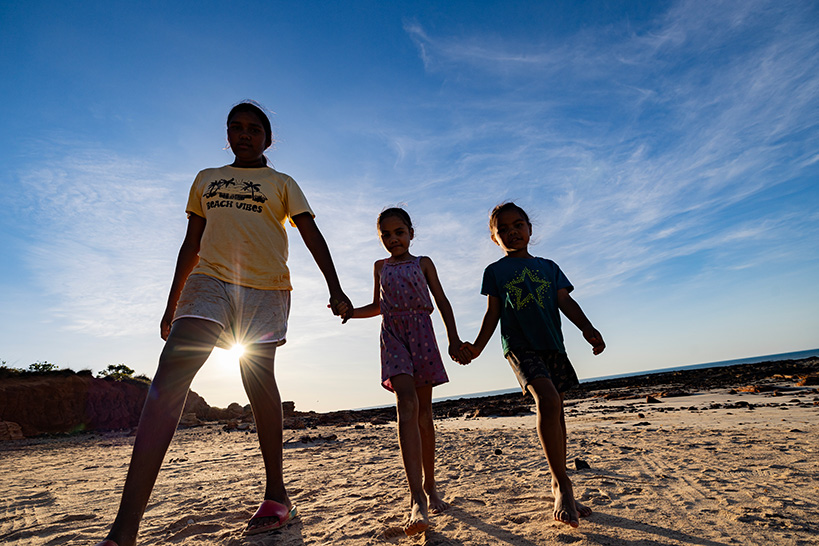
Aboriginal health is everyone's business. The needs of Aboriginal and Torres Strait Islander families and kids is integrated into all relevant areas of our work. Improving the health and wellbeing of Aboriginal and Torres Strait Islander kids and families is an overarching priority for every team at The Kids.
You are invited to register to attend the National Indigenous Immunisation Research Workshop 2013: lessons learnt and future directions Workshop.
Experts in Aboriginal infectious disease research are in Perth this week for the National Indigenous Immunisation Research Workshop (November 7-8).
A comprehensive research report into the high rates of suicide in the Kimberley has called for a major change
esearchers from Perth's Centre for Research Excellence in Aboriginal Health and Wellbeing have won more than $1.3 million in competitive funding
Telethon Institute awarded two national Centres of Research Excellence
The first Capacity Building Grant comprising solely of Indigenous researchers has been completed successfully