
Search
A biologically active vaccine may produce a low measured vaccine efficacy under a range of epidemiological, vaccine-related and logistical conditions
This article is an in-depth analysis of the social nature of vaccine decision-making
Participants demonstrated a good understanding of safe prescribing and antimicrobial stewardship
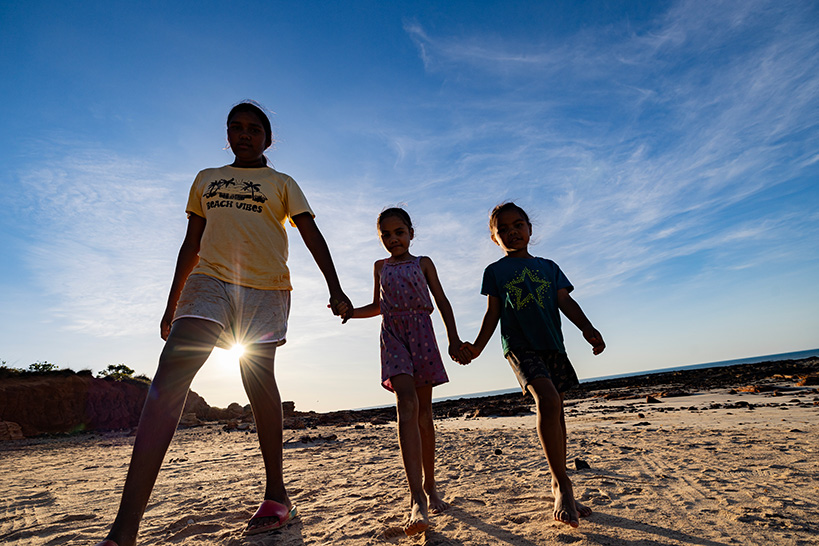
Aboriginal health is everyone's business. The needs of Aboriginal and Torres Strait Islander families and kids is integrated into all relevant areas of our work. Improving the health and wellbeing of Aboriginal and Torres Strait Islander kids and families is an overarching priority for every team at The Kids.
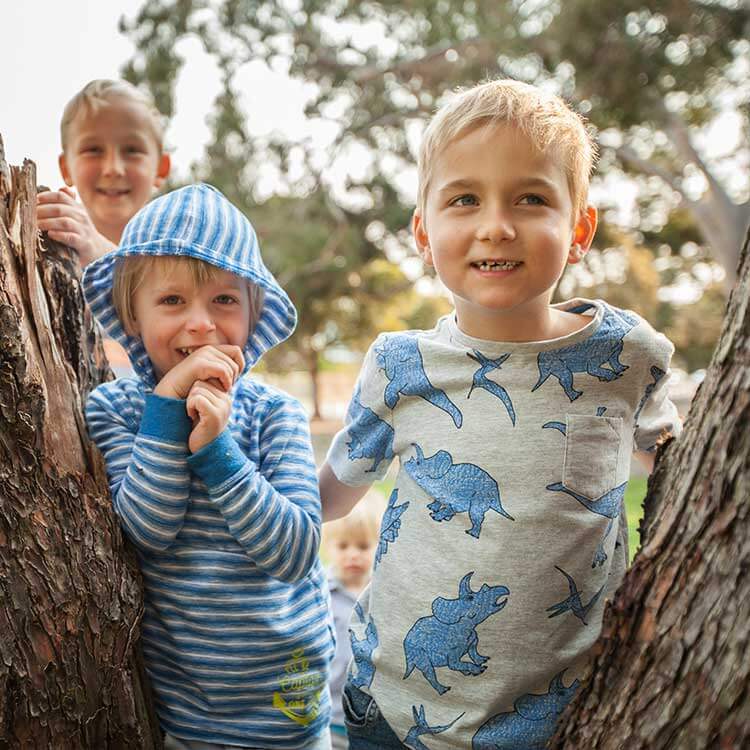
We will leverage the unique Western Australian data linkage resources to undertake the definitive twin and sibling study of infection-related hospitalisation
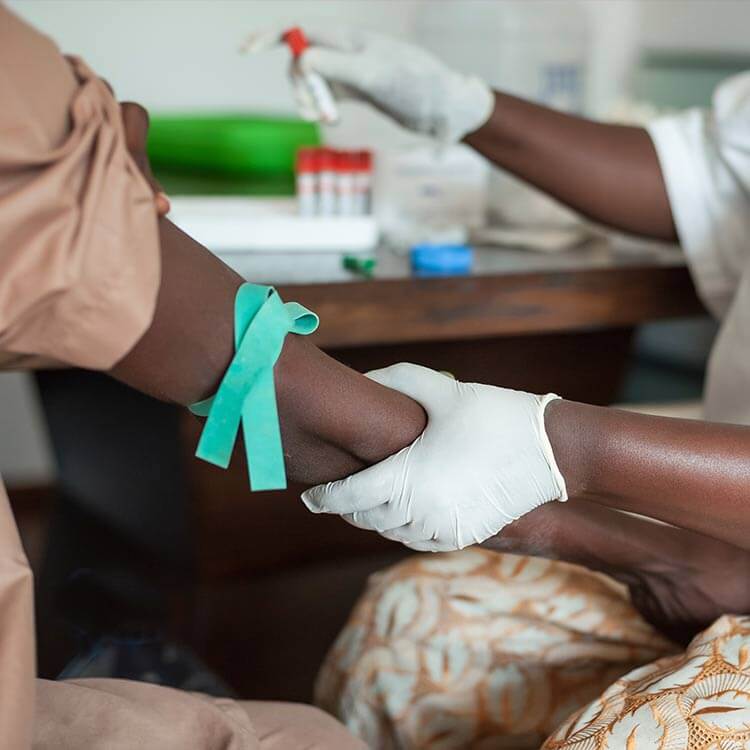
This study investigated host gene expression in response to new HIV infection.

Measles is a highly contagious infectious disease that can cause severe, long-term complications in children.
Although evidence supports clinicians to "safely do less" for febrile infants assessed as low risk of serious bacterial infection (SBI), early discharge may increase caregiver concern and reduce satisfaction with care. We captured the self-reported satisfaction and concerns for families enrolled in the study of fever, blood cultures and readiness for discharge in infants less than 3 months old (FeBRILe3), a prospective safety assessment of early discharge of low-risk febrile infants, to aid evaluation of this practice.
Vancomycin is used to treat serious gram-positive infections in children; however, effective dosing information for those aged 3 months to 18 years is limited. We aimed to determine an optimized dosing strategy for this age group.
Respiratory syncytial virus (RSV) is a leading cause of severe respiratory infections in children and is predominantly acquired and spread in community settings such as households and early childhood education centres. This review aims to synthesise the available evidence on RSV transmission in closed community settings that include children, with a focus on secondary attack rates.