
Search
The lungs are one of the last organs in the body to develop as a baby grows. They're also one of the most important.
There remains a general misconception that the immune status of the fetus and neonate is immature or insufficient. However, emerging research in immune ontogeny prompts reconsideration of this orthodoxy, reframing this period instead as one of unique opportunity. Vaccine responses (qualitative and quantitative) vary between individuals, and across demographic cohorts. Elements of baseline immune status and function predict vaccine response - some of these factors are well described, others remain a subject of ongoing research, especially with the rapidly expanding field of 'omics' research, enabled by development of highly granular immune profiling techniques and increasing computational capacity.
A The Kids for Child Health Research study has uncovered a new link between vitamin D levels and asthma.
Rhinovirus (RV) C can cause asymptomatic infection and respiratory illnesses ranging from the common cold to severe wheezing. The aim was to identify how age and other individual-level factors are associated with susceptibility to RV-C illnesses. Longitudinal data from the COAST (Childhood Origins of Asthma) birth cohort study were analyzed to determine relationships between age and RV-C infections. Neutralizing antibodies specific for RV-A and RV-C (three types each) were determined using a novel PCR-based assay.
A new study has found that young children with severe or persistent asthma are at higher risk of developing many common mental health problems.
Providing a safe and effective coronavirus disease 2019 (COVID‐19) vaccination program is required to mitigate against the current and future negative impacts on the health and wellbeing of all Australians from COVID‐19. An effective vaccination program is a key element required to facilitate economic recovery, safe movement throughout and beyond Australia and a return to the quality of life previously experienced.
Australian scientists have today launched a world first research trial into a treatment that could prevent asthma in high risk children.
Latest news & events at the Wesfarmers Centre of Vaccines & Infectious Diseases.
Two Australian scientists are spearheading an international campaign that's challenging the way asthma drugs are developed and tested.
Ingrid Pat Laing Holt BSc PhD PhD, DSc, FRCPath, FRCPI, FAA Head, Children's Respiratory Science Emeritus Honorary Researcher 6319 1828 Ingrid.laing@
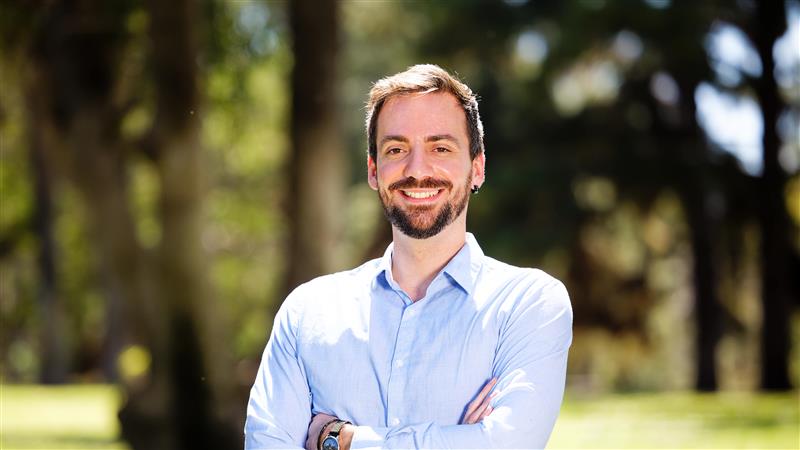
Researchers developing a world-first treatment that targets an underlying cause of asthma have secured a $499,640 grant from the Future Health, Research and Innovation Fund – Innovation Seed Fund.
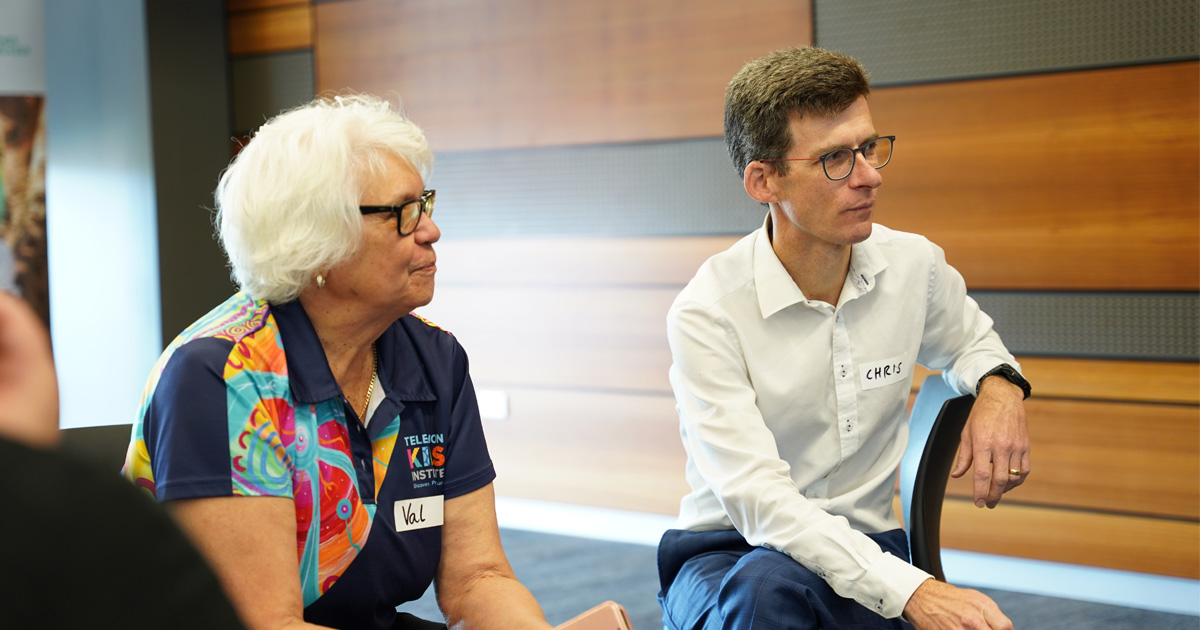
Researchers from the Wesfarmers Centre of Vaccines and Infectious Diseases at The Kids Research Institute Australia have shared their expertise with the community in Cockburn, covering topics ranging from respiratory disease in babies to recurring ear infections in kids.
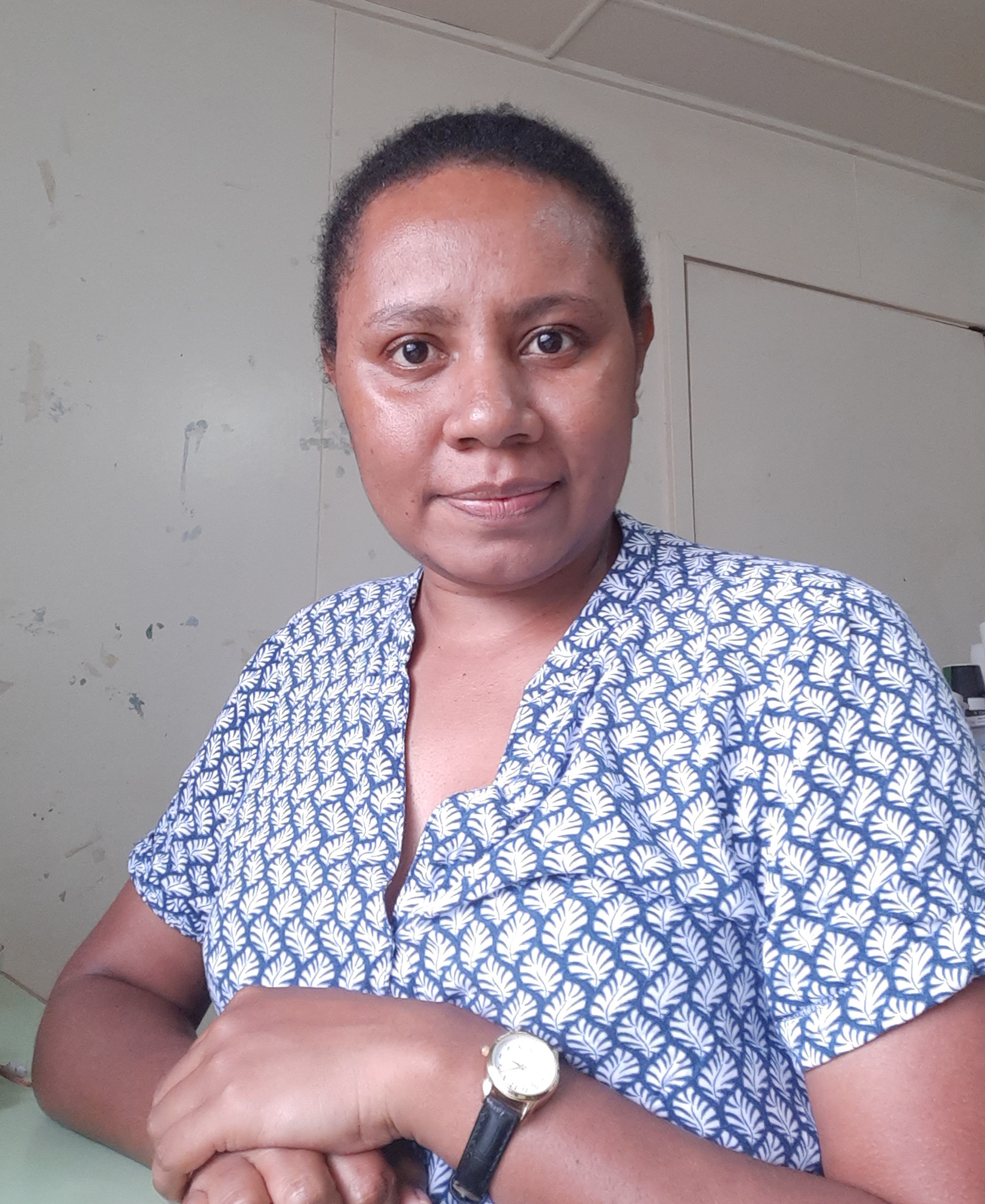
Congratulations to Dr Paula Tesine who is the successful recipient of the Deborah Lehmann Research Award. As the third recipient of the Deborah Lehmann Research Award, Dr Tesine received $30,000 towards her research.

Children who live in the outer suburbs of Australia’s four biggest cities are twice as likely to have asthma as those living in inner city areas, according to a new study based on health data captured in the last Australian Census.
One in eight children have asthma, a chronic disease of the airways in the lungs. It results in shortness of breath, chest tightness, wheezing and coughing.
Intrauterine growth restriction (IUGR) increases risk of developing respiratory diseases such as asthma later in life. This study aims to characterize the effects of maternal hypoxia-induced IUGR on the lung proteome and identify key altered pathways relevant to asthma development in male and female adult offspring.

Enrolments for Australia’s first needle-free, gene-based COVID-19 vaccine study – to be led in WA by The Kids Research Institute Australia – are open.
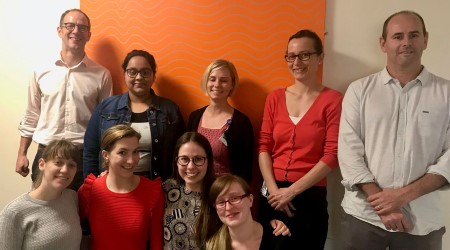
Clinical Professor Tobias Strunk, Dr Andrew Currie and their Neonatal Infection and Immunity Team have become the newest members of the Wesfarmers Centre of Vaccines and Infectious Diseases.
In Western Australia, Neisseria meningitidis serogroup W clonal complex 11 became the predominant cause of invasive meningococcal disease in 2016