
Search
Defining rurality matters in healthcare. Evidence supports the singularity of the rural experience and its detrimental impact on health outcomes and, specifically, on mental health. Yet, no internationally accepted definition of 'rural' exists.
Children and young people with type 1 diabetes (T1D) experience high rates of mental ill health and stress due to the emotional and cognitive energy required to manage their condition. Our team has codesigned Wellbeing T1D, a brief trauma-informed online intervention for adolescents living with T1D. This 5-week intervention will teach skills to promote problem solving, improve emotional regulation and promote helpful thinking and coping.
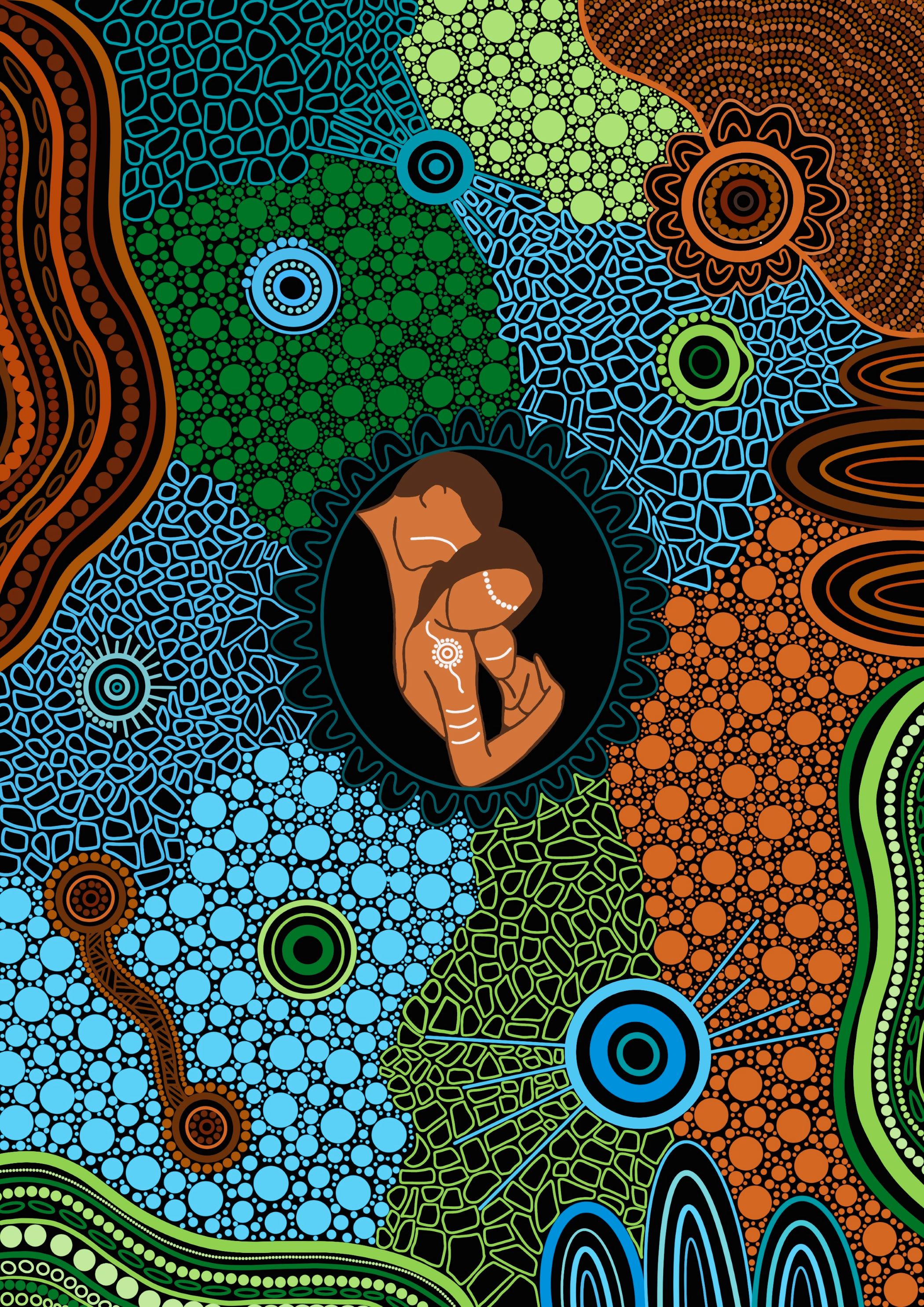
The aim of this project is to develop and implement a culturally safe, responsive and trauma-informed parenting program for Aboriginal and Torres Strait Islander families.
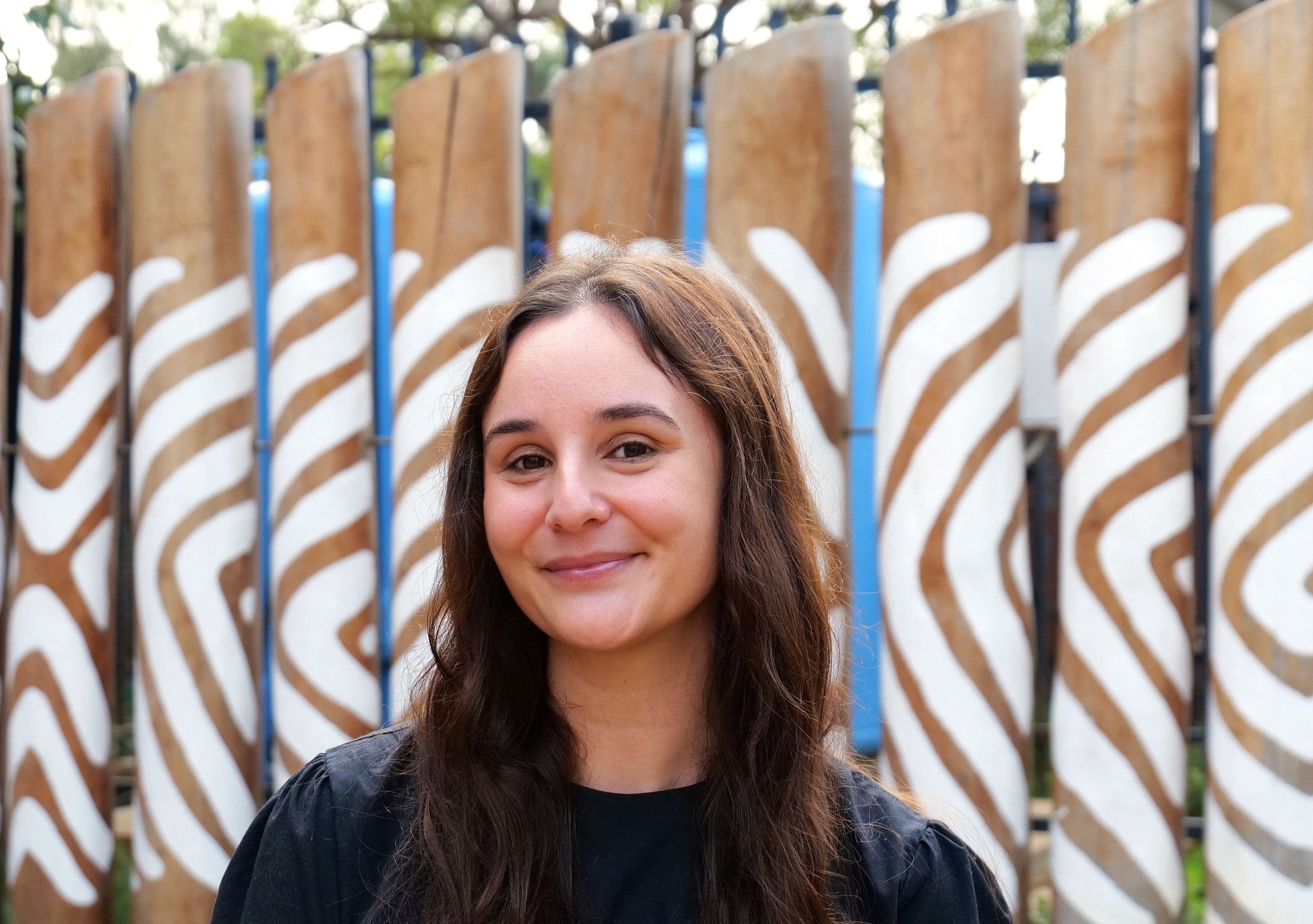
Senior Research Officer Tanika Sgherza is on the Healing Kids, Healing Families team.
In Australia, substance use disorders disproportionately affect people living in rural and remote areas. Patients with substance use disorders who receive palliative care have complex, often unmet, end-of-life needs. There is scarce evidence on the management of patients with substance use disorders in palliative care, and there is no consensus on the model of care to assist general practitioners manage their patients. This is particularly salient for general practitioners in rural areas, who provide most of the palliative care to their patients.
There are conflicting suggestions concerning the developmental trend of trust beliefs during middle childhood. Across three studies, the current research developed a brief measure of child general trust beliefs, as well as child measures of trust in peers and online, and examined age-related differences in these beliefs.
Transgender and gender diverse (“trans”) people are more likely to experience adverse mental health outcomes due to the social adversities that are commonly experienced. One ameliorating factor for poor mental health outcomes can be connection to community, often facilitated in online spaces such as TikTok.
Belief in the trustworthiness of other people is foundational to human interaction, and thus, there is interest in its assessment across many disciplines. However, disunity in approaches to its conceptualization has resulted in a myriad of measures. This review collates and systematically appraises self-report general trust measures for use in either children or adults; examining target age, type of trust assessed, and measurement and psychometric properties.
Experiencing trauma may adversely impact a child’s education, and research in this field requires a deeper understanding about how those working in the education system, specifically pre-service teachers, can respond and support children impacted by trauma. Pre-service teachers, who are our future teachers, play a role in recognising and helping children when signs of trauma are revealed, but risk re-traumatising children if not adequately trained during their university education.
Parents of children with physical/mental health and/or neurodevelopmental conditions often need to make disclosure decisions for their child. Disclosure can bring benefits (e.g., support) but can also risk harm (e.g., stigma). This systematic review aimed to consolidate research regarding parents' disclosure experiences to better understand how to support parents during this process.