
Search
Aboriginal and Torres Strait Islander children continue to be removed at high rates from their families by child protection services, placing them at elevated risk of adverse long-term life outcomes. Cultural connection in out-of-home care is essential for mitigating the impacts of trauma from removal, emphasizing the importance of ensuring that cultural planning is rigorously undertaken. This article explores the provision of cultural plans in an era where out-of-home care services are outsourced by government, but where government holds onto the responsibility for developing cultural plans for children in care.
Siblings of children with neurodevelopmental conditions have unique experiences and challenges related to their sibling role. Some develop mental health concerns as measured by self-reported surveys or parent report. Few data are available at the population level, owing to difficulties capturing wide-scale health data for siblings. Data linkage is a technique that can facilitate such research.
Sibling Camp 2024 photos
In 2024–2025, we listened to 40 siblings from across Australia share their experiences of family life and social connection. Most had a brother or sister with developmental disability, and others did not. Together, they offered open and thoughtful reflections on roles and responsibilities at home, friendships, fam
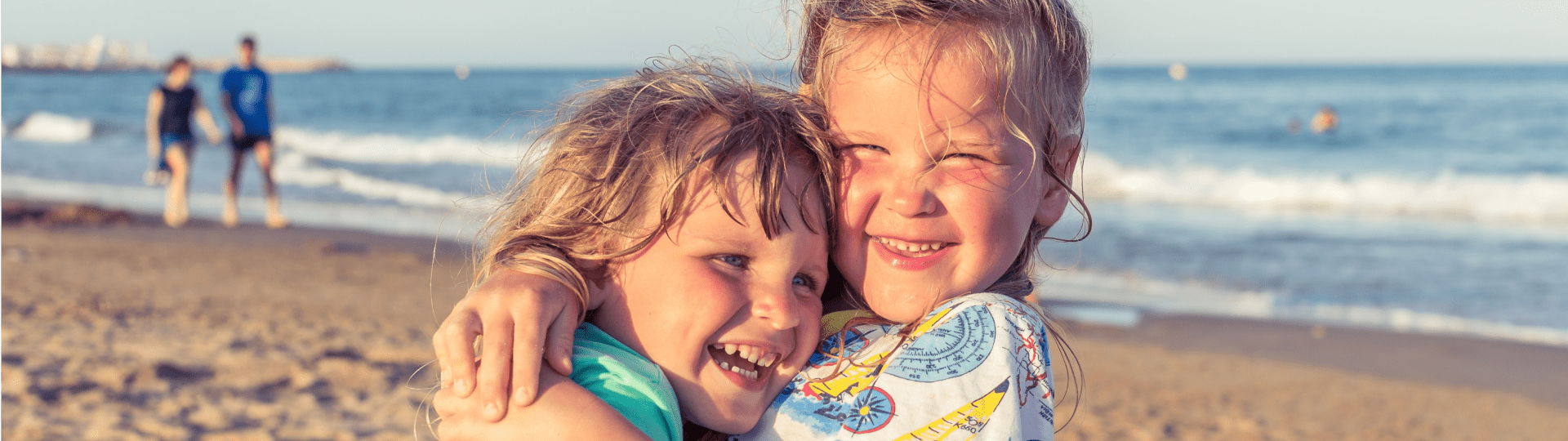
Join a Focus Group for the Sibling Support Study! Researchers from The Kids Research Institute Australia are conducting research which explores the
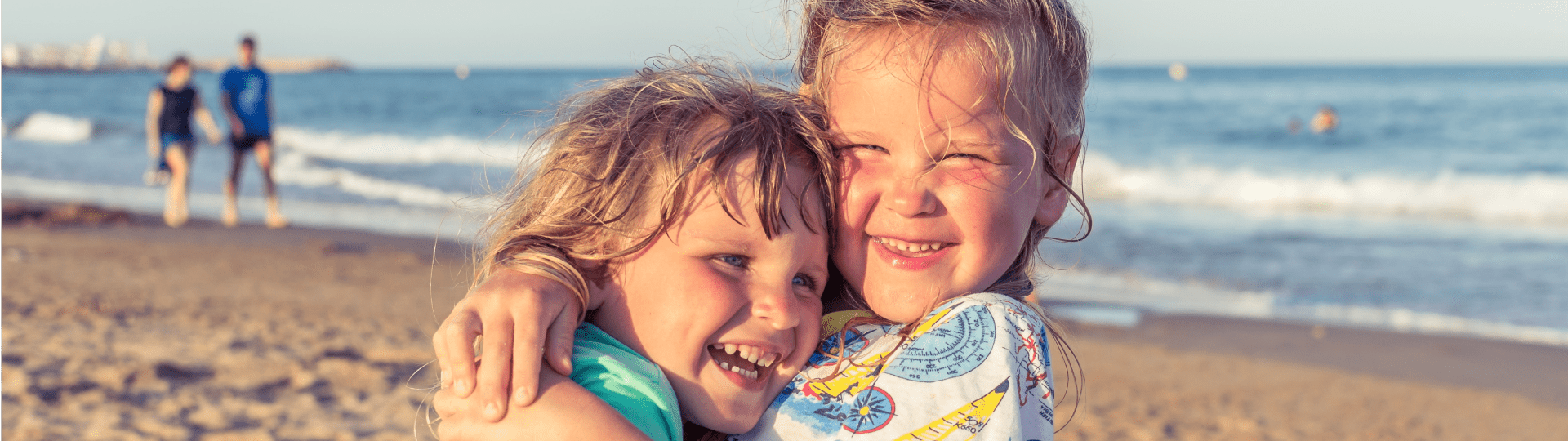
Be involved in the Sibling Snapshot Project! Researchers from The Kids Research Institute Australia are conducting research which explores the unique
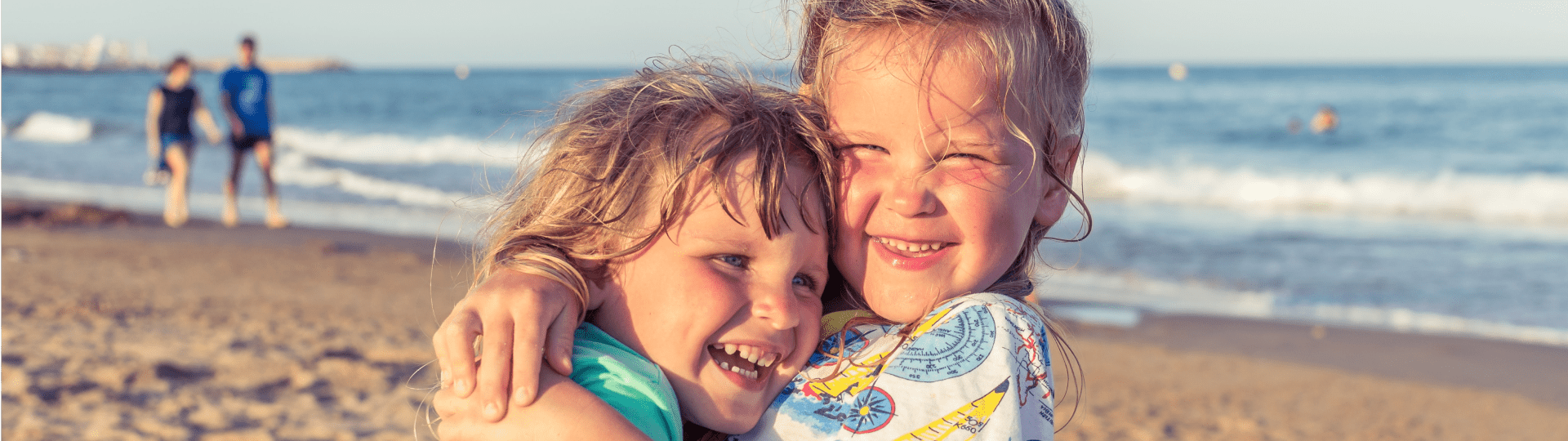
Participate in The Sibling Snapshot Project! <!-- [if gte mso 9]> <![endif]--> <!-- [if gte mso 9]> Normal 0 false false false EN-AU X-NONE X-NONE <!
We want to hear from siblings living outside of Australian cities!
The studies this project has conducted
The Siblings Project Gallery