
Search
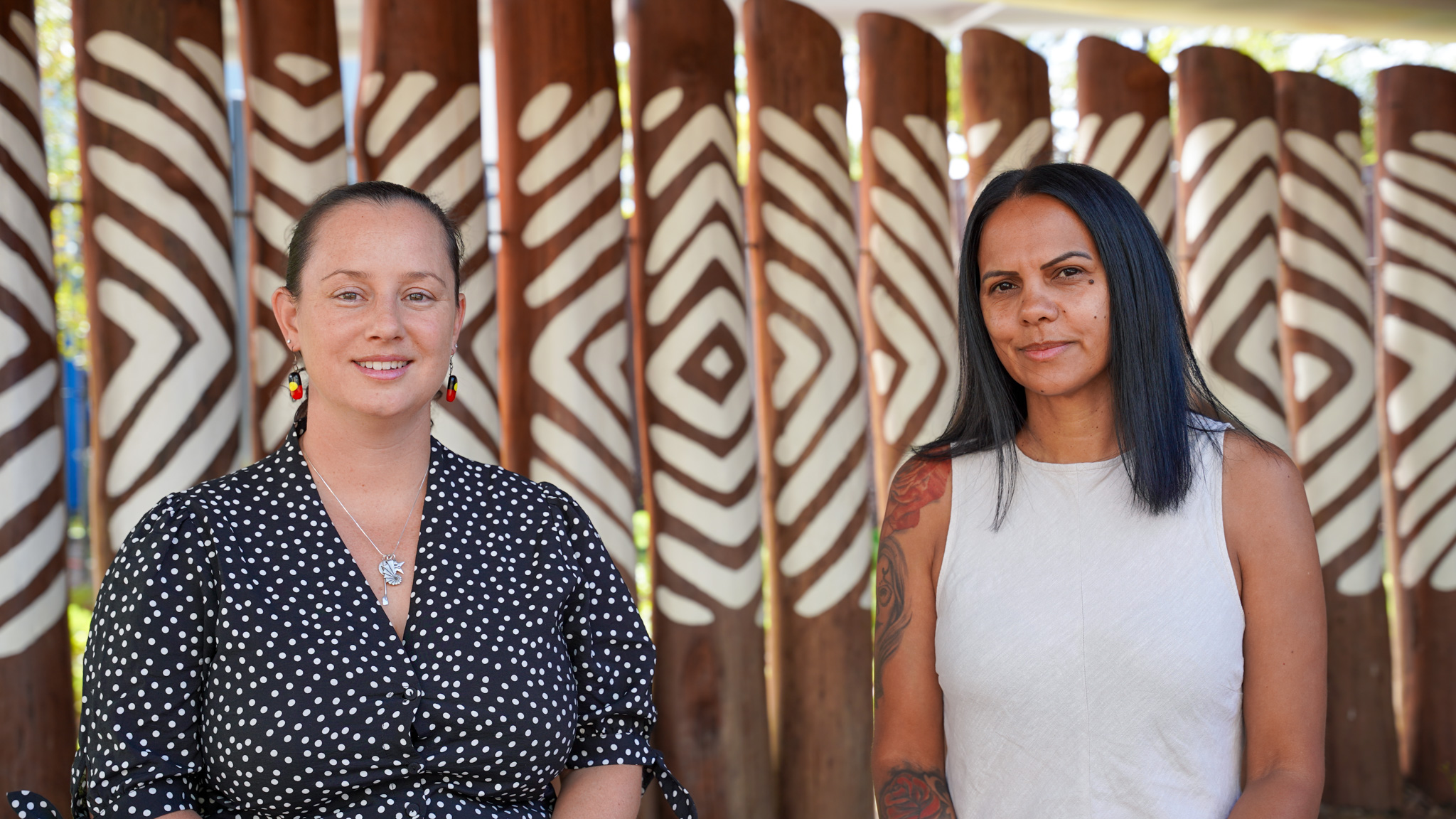
A first of its kind research program at The Kids Research Institute Australia aims to develop new strategies to better treat Aboriginal and Torres Strait Islander children with cancer.
Nick Gottardo MBChB FRACP PhD Co-Head, Brain Tumour Research team; Head of Oncology and Haematology, Perth Children’s Hospital nicholas.gottardo@
Approximately 770 children are diagnosed with cancer in Australia every year. Research has explored their experiences and developed recommendations for improving support provided to families. These have included the provision of psychology services, improved communication between healthcare professionals and parents, and increased information for families.
Vincristine sulphate, a microtubule inhibitor, is used extensively in veterinary oncology for treating lymphoma. Neutropenia during multiagent protocols is a common reason for treatment delay and reduced dose intensity. This study evaluated toxicities associated with treating systemically well neutropenic lymphoma patients with vincristine.
KMT2A-rearranged acute lymphoblastic leukaemia (ALL) represents a high risk subtype of childhood ALL. Historical treatment strategies have comprised of intensification with conventional chemotherapy. However, outcomes have remained consistently poor compared to the advances that have been seen for other ALL subtypes, particularly for infants diagnosed before their first birthday
Each year, approximately 1000 children in Australia and New Zealand, aged 0–14 years, are diagnosed with cancer. Despite paediatric cancer accounting for less than 1% of all cancer cases, the impact on their families and communities is profound and disproportionate.
In pediatric cancer precision medicine clinical trials settings, parents proactively seeking treatment and answers to causation may request return of their child's raw data and/or biospecimen. To satisfy such requests, the ZERO Childhood Cancer Program required a guidance document.
T cells engineered to express chimeric-antigen receptors (CAR-T cells) can effectively control relapsed and refractory haematological malignancies in the clinic. However, the successes of CAR-T cell therapy have not been recapitulated in solid tumours due to a range of barriers such as immunosuppression, poor infiltration, and tumour heterogeneity.
There are few options for patients with relapse/refractory B-cell acute lymphoblastic leukemia, thus this is a major area of unmet medical need. Here, we reveal that inclusion of a poison exon in RBM39, which could be induced both by CDK9 or CDK9 independent CMGC (cyclin-dependent kinases, mitogen-activated protein kinases, glycogen synthase kinases, CDC-like kinases) kinase inhibition, is recognized by the nonsense-mediated mRNA decay pathway for degradation.
An in-depth investigation of gene regulation and cell populations at sites of fetal blood-cell production provides clues as to why children with Down’s syndrome are predisposed to developing leukaemia.