
Skip to content
The Kids Research Institute Australia logo
Donate

No results yet

Search

Research

Effect of combining pre-exercise carbohydrate intake and repeated short sprints on the blood glucose response to exercise in young individuals with Type 1 diabetes

When carbohydrates are ingested prior to moderate-intensity exercise, adding repeated sprints is not significantly detrimental to glycaemic management

Research

Use of linked administrative and laboratory data to confirm that serum 25(OH)D levels in pregnant women can be predicted from satellite estimates of ultraviolet radiation

Serum 25 hydroxyvitamin D [25(OH)D] levels of pregnant women have been linked to various health outcomes in their offspring. Satellite-derived ultraviolet radiation (UVR) data have been used as a proxy for 25(OH)D levels, as individual-level cohort studies are time-consuming, costly and only feasible for common outcomes.

Research

In Epigenomic Studies, Including Cell-Type Adjustments in Regression Models Can Introduce Multicollinearity, Resulting in Apparent Reversal of Direction of Association

Where cell types are highly correlated with other covariates in regression models, the statistical assumption of no multicollinearity may be violated

Research

Maternal Smoking During Pregnancy Induces Epigenetic Changes Into Adolescence, Independent of Postnatal Smoke Exposure and Is Associated With Cardiometabolic Risk

This study demonstrates a critical timing of cigarette smoke exposure over the life course for establishing persistent changes in DNA methylation into adolescence

Research

The challenges of developing and optimising an assay to measure 25-hydroxyvitamin D in saliva

We have developed an LC-MS/MS assay that accurately measures saliva 25(OH)D3 levels, which correlated with serum levels

Research

Pre-and Postnatal Vitamin D Status and Allergy Outcomes in Early Childhood

The dramatic increase in the prevalence of allergic disease in recent decades reflects environmental and behavioural changes that have altered patterns of early immune development. The very early onset of allergic diseases points to the specific vulnerability of the developing immune system to environmental changes and the development of primary intervention strategies is crucial to address this unparalleled burden.

Research

Ten year analysis of the clinic profile of the tertiary paediatric endocrine service in Western Australia

There is a paucity of information regarding the profile of entire paediatric endocrine clinics and how they are changing. This study aimed to analyse the clinic profile of the Western Australian tertiary paediatric endocrine outpatient service over 10 years and compare to national and international data.

Research

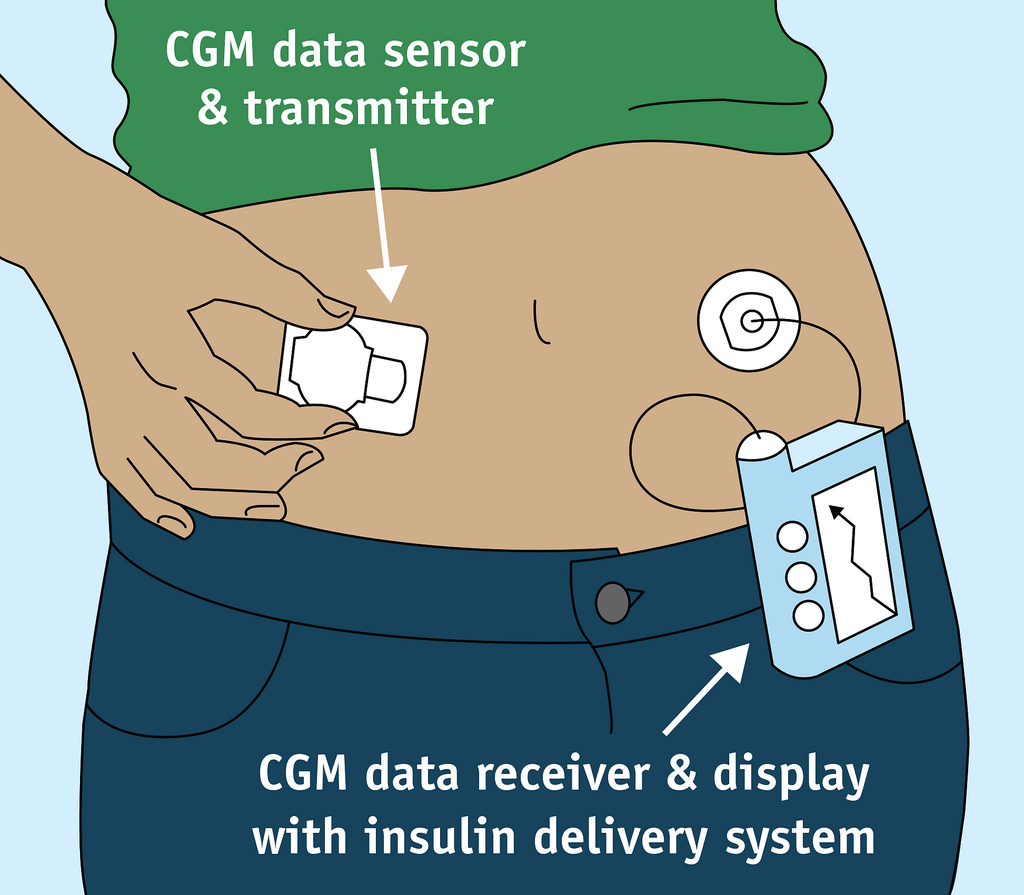
Universal Subsidized Continuous Glucose Monitoring Funding for Young People With Type 1 Diabetes: Uptake and Outcomes Over 2 Years, a Population-Based Study

Continuous glucose monitoring (CGM) is increasingly used in type 1 diabetes management; however, funding models vary. This study determined the uptake rate and glycemic outcomes following a change in national health policy to introduce universal subsidized CGM funding for people with type 1 diabetes aged <21 years.

Research

Prevention of Insulin-Induced Hypoglycemia in Type 1 Diabetes with Predictive Low Glucose Management System

The aim of this study was to determine whether predictive low glucose management (PLGM) system is effective in preventing insulin-induced hypoglycemia

Research

A very low carbohydrate diet for minimising blood glucose excursions during ultra-endurance open-water swimming in type 1 diabetes: a case report

Carbohydrate-restricted diets are used by people with type 1 diabetes (T1D) to help manage their condition. However, the impact of this strategy on blood glucose responses to exercise is unknown. This study describes the nutritional strategies of an athlete with T1D, who follows a very low carbohydrate diet to manage her condition during an ultra-endurance open-water swimming event.