
Search
The success of cancer immunotherapies has highlighted the importance of monitoring the anti-tumour T cell response. Patients with mesothelioma frequently present with a malignant pleural effusion (MPE) that is commonly drained regularly to alleviate symptoms. As MPE contains tumour cells, T cells and cytokines, it provides a unique opportunity to sample immune events at the tumour site.
Vincristine sulphate, a microtubule inhibitor, is used extensively in veterinary oncology for treating lymphoma. Neutropenia during multiagent protocols is a common reason for treatment delay and reduced dose intensity. This study evaluated toxicities associated with treating systemically well neutropenic lymphoma patients with vincristine.
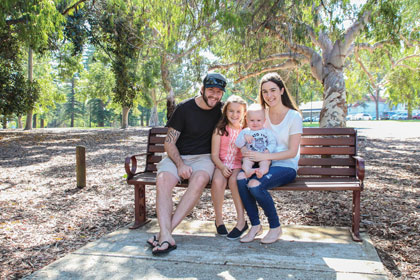
Michelle Pianta knew deep down something was very wrong with her seven-and-a-half month old son Jackson as she waited at Bunbury Hospital for his blood results.
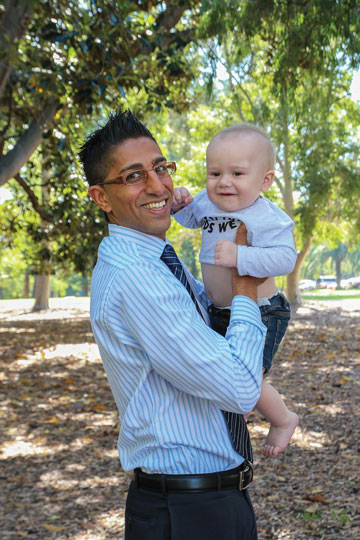
Dr Rishi Kotecha knows too well the devastation of a leukaemia diagnosis in a child, treating children as a consultant at Princess Margaret Hospital.
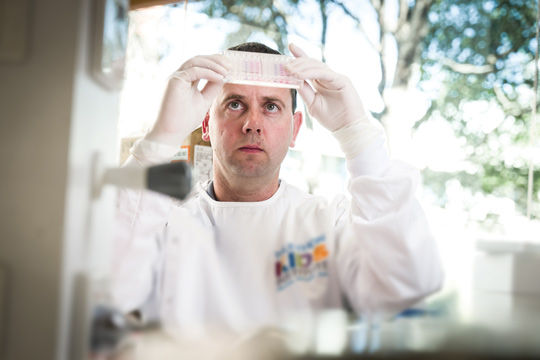
In an exciting breakthrough for cancer treatment, a new weapon to enable the immune system to combat the disease may have been unlocked.
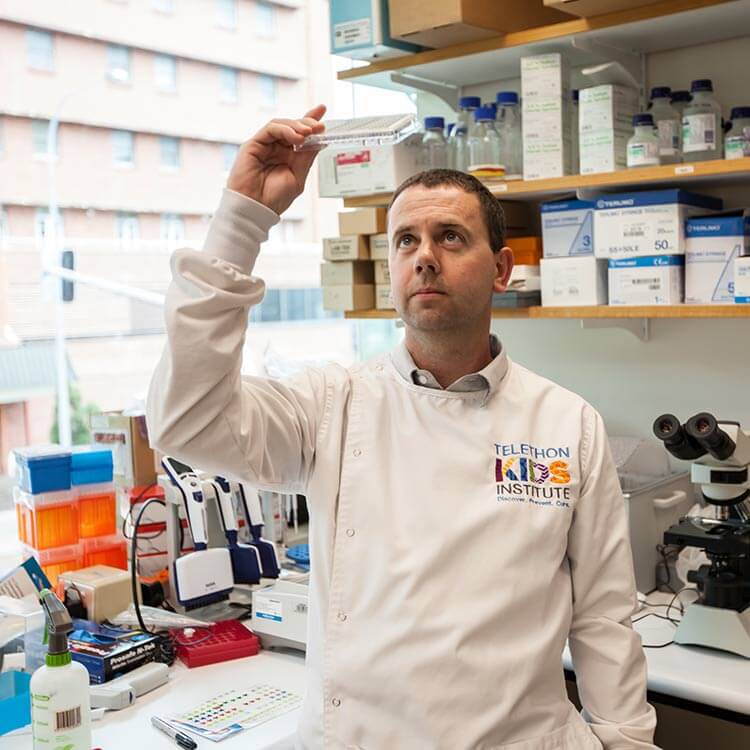
A The Kids Research Institute Australia researcher will investigate new ways to harness the body’s own immune system to fight melanoma, thanks to Cancer Council WA funding.
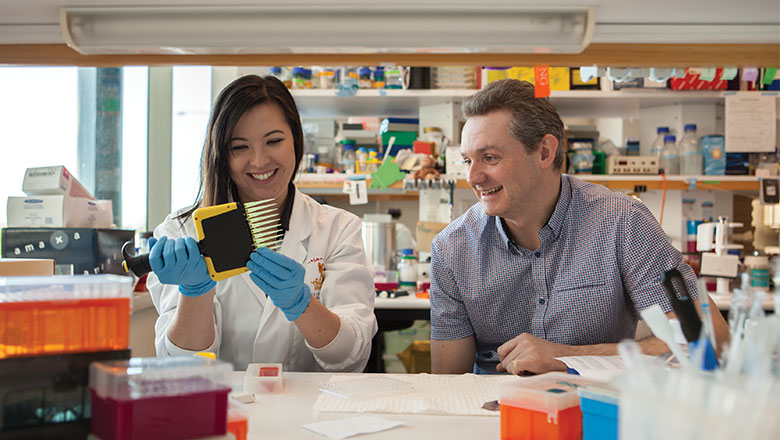
Dr Nick Gottardo and Dr Raelene Endersby from The Kids Research Institute Australia are the driving force behind an innovative, global action group on child brain cancer.
The goal of Project Children's Cancer is to discover new therapies that are more effective and less toxic to fight aggressive cancers in babies and children.
Researchers from Perth's Telethon Institute are calling for further investigation into a potential link between maternal smoking and childhood brain tumours.
A new Telethon Institute study has revealed a potential link between pesticide treatments in the home and a higher risk of children developing brain tumours.