Skip to content

Search

Delayed airway epithelial repair is correlated with airway obstruction in young adults born very preterm

Nasal epithelial cells from young adults with a history of very preterm birth show delayed closure following scratch-wounding. Repair correlated with lung function, suggesting epithelial barrier integrity may play a role in preterm-associated lung disease.

Factors influencing participation in home, school, and community settings by 6- to 9-year-old children born preterm: a qualitative descriptive study

There is no published information on preterm children's activities and participation during middle childhood, a time when growth and development are characterised by increasing motor, reasoning, self-regulation, social and executive functioning skills. This study explored the health, activities and participation of children born very preterm during middle childhood (6-9 years) from the perspectives of their parents.

Physiological responses to exercise in survivors of preterm birth: a meta-analysis

Survivors of preterm birth (<37 weeks' gestation) have low peak oxygen uptake, a global measure of aerobic fitness and an established predictor of increased morbidity and mortality. However, little is known about other cardiopulmonary outcome measures in this population. We addressed the hypothesis that preterm birth is associated with abnormal respiratory, cardiovascular and metabolic responses to exercise, as assessed by cardiopulmonary exercise testing, via a systematic review and meta-analysis.

Lung volumes, gas transfer and oscillometry after preterm birth: systematic review and meta-analysis

Small airway and lung parenchymal abnormalities frequently occur following preterm birth but are commonly missed by spirometry. Static lung volumes, diffusing capacity of the lung for carbon monoxide (D LCO) and oscillometry provide a more precise characterisation of these conditions. We hypothesised that differences in these measures exist between individuals born preterm and at term and we aimed to systematically review the literature to identify and quantify these differences in lung function.

Exercise training to address lifelong consequences of preterm birth: a survey of perceived needs

The identification of a COPD etiotype associated with preterm birth (COPD-developmental) has expedited calls for intervention strategies that may improve health outcomes for survivors of preterm birth (<37 weeks' gestation). Pulmonary-rehabilitation style training interventions achieve physiological and symptom improvement in older people with COPD, but whether similar training interventions are suitable for young people is unclear. We sought to understand the perceived need and requirements of an exercise training intervention for children, adolescents and adults born preterm.

A primary cell model of the very preterm epithelium reveals barrier defects at 1 year of age

Limited evidence suggests that airway epithelial structure and function is disrupted in very preterm infants; however, the epithelial morphology and physiology has not been well characterised following discharge from neonatal intensive care. This study aimed to characterise the nasal airway epithelium from 1-year-old survivors of very preterm birth.

Toxic, harmful chemicals found in popular Australian e-liquids

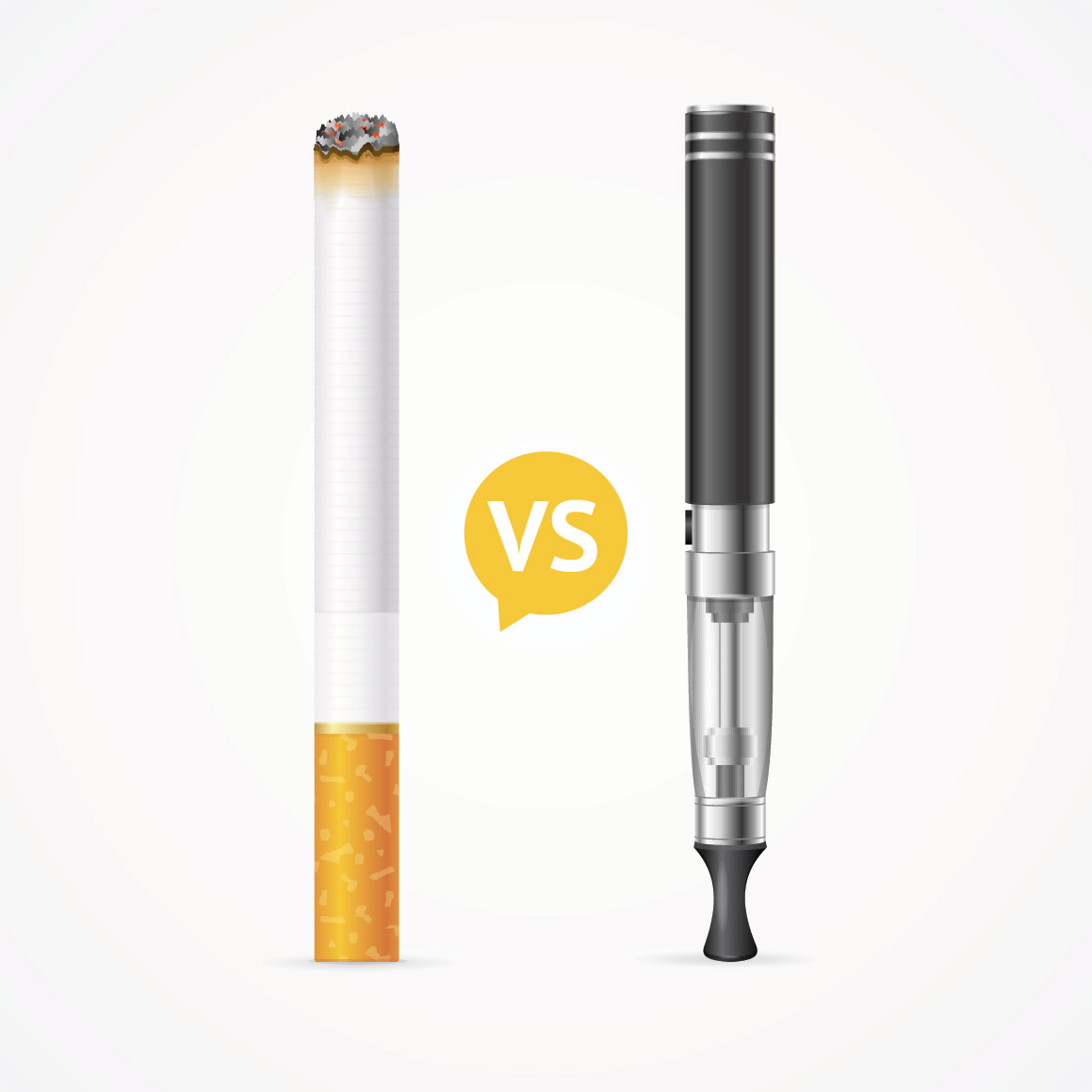
Perth researchers have found toxic and harmful chemicals in several dozen e-cigarette liquids readily available in Australia.

National Asthma Week: 10 things you need to know about asthma

Asthma affects about half a million Australian children and is one of the most common reasons why kids need to see a doctor or go to emergency.
My child is wheezing – what should I do?

Almost 50 per cent of preschool children will experience at least one episode of wheeze, a whistling sound produced by the airways during breathing.
A wellbeing program to promote mental health in paediatric burn patients: Study protocol

One of the most traumatic injuries a child can experience is a severe burn. Despite improvements in medical treatments which have led to better physical outcomes and reduced mortality rates for paediatric burns patients, the psychological impact associated with experiencing such a traumatic injury has mostly been overlooked. This is concerning given the high incidence of psychopathology amongst paediatric burn survivors.