
Search
It is unclear whether sex differences in behavior arising from birth weight (BW) are genuine because of the cross-sectional nature and potential confounding in previous studies. We aimed to test whether sex differences associated with BW phenotype were reproducible using a Mendelian randomization approach, i.e., association between polygenic score (PGS) for BW and behavior outcomes across childhood and adolescence.
Autistic children have an increased likelihood of anxiety, but more research is needed on the characteristics that predict various types of anxiety in this population.
Prescriptions and use of medications to treat mental health conditions in young autistic populations are inconsistent worldwide. This makes it hard to compare findings from international studies to the Australian autistic population, where there are limited relevant studies. Apart from risperidone, there are no other medications specified for direct use in autistic persons. This study aims to gain initial broad understanding of the use of medications, commonly prescribed for mental health conditions, specifically by autistics under the age of 21 years.
Children who have an older sibling diagnosed with autism have an increased likelihood of being diagnosed with autism or developing broader developmental difficulties. This study explored perinatal experiences of parents of a child diagnosed with autism, spanning pre-conception until the subsequent child’s early developmental period.
The current study used a transdiagnostic approach to explore experiences of consumers and professionals on how the process of assessing and diagnosing neurodevelopmental conditions can be improved.
In the Australian disability context, the assessment of children with neurodevelopmental conditions’ functioning (across all domains) is of increasing importance, particularly since the introduction of the National Disability Insurance Scheme. Currently, there is wide variability across assessment of functioning practices, including the choice and use of published tools for assessment.
Many children with intellectual disability live with medical comorbidities. This study examined the impacts of comorbidities on quality of life (QOL) of children with intellectual disabilities and whether impacts varied with caregiver perceptions that medical needs had been met.
The aim of the present study was to compare scale and conditional reliability derived from item response theory analyses among the most commonly used, as well as several newly developed, observation, interview, and parent-report autism instruments.

Five The Kids Research Institute Australia researchers working across diverse and highly impactful areas of child health research have been named as finalists for the 2023 Premier’s Science Awards.
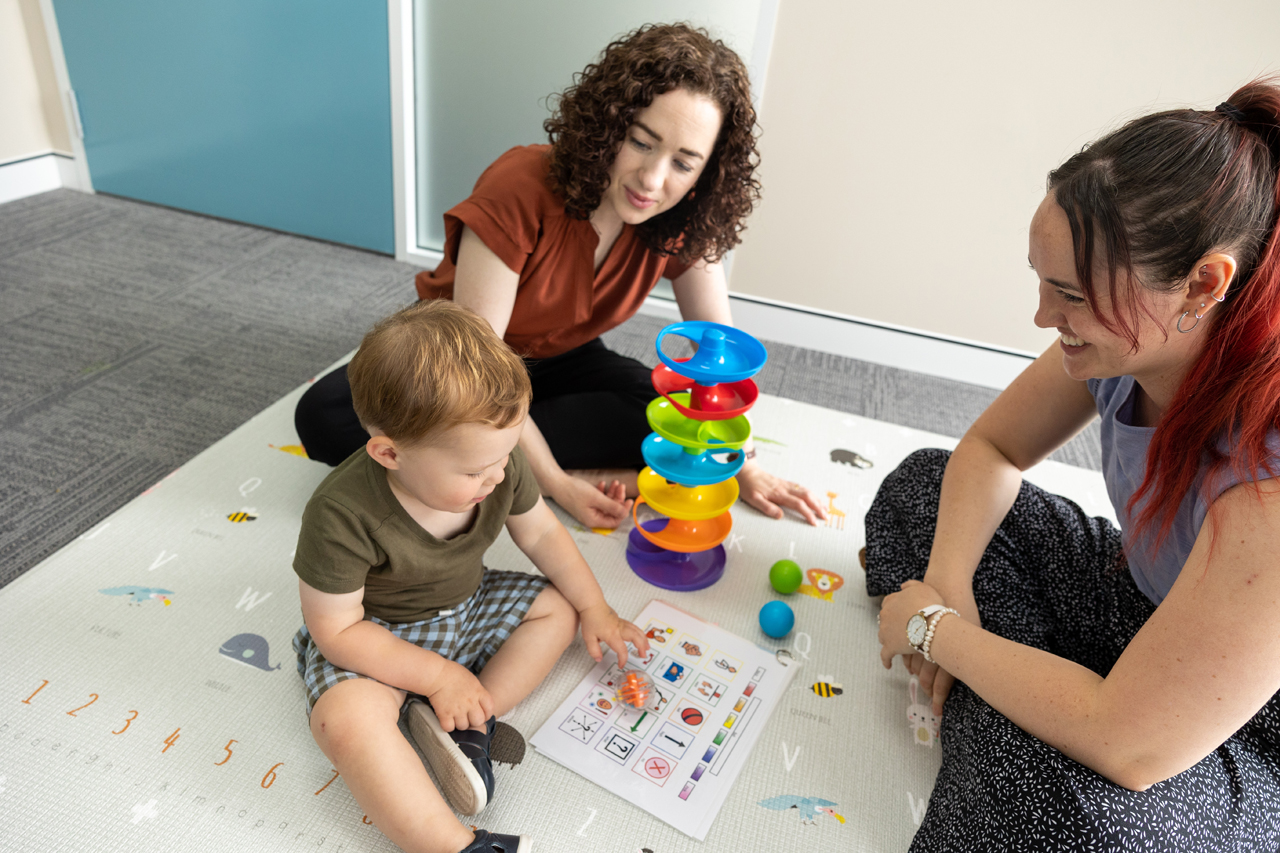
This series aims to provide some practical and evidence-based ideas to support your child and family.