
Search

Six researchers from The Kids Research Institute Australia have been awarded $8.9 million in prestigious Investigator Grants from the National Health and Medical Research Council.
Projects to improve outcomes for leukaemia patients and reduce skin cancer rates in young Aboriginal people have received funding through Cancer Council WA.
The Australian Government has appointed the National Health and Medical Research Council (NHMRC) Council for 2024 to 2027.
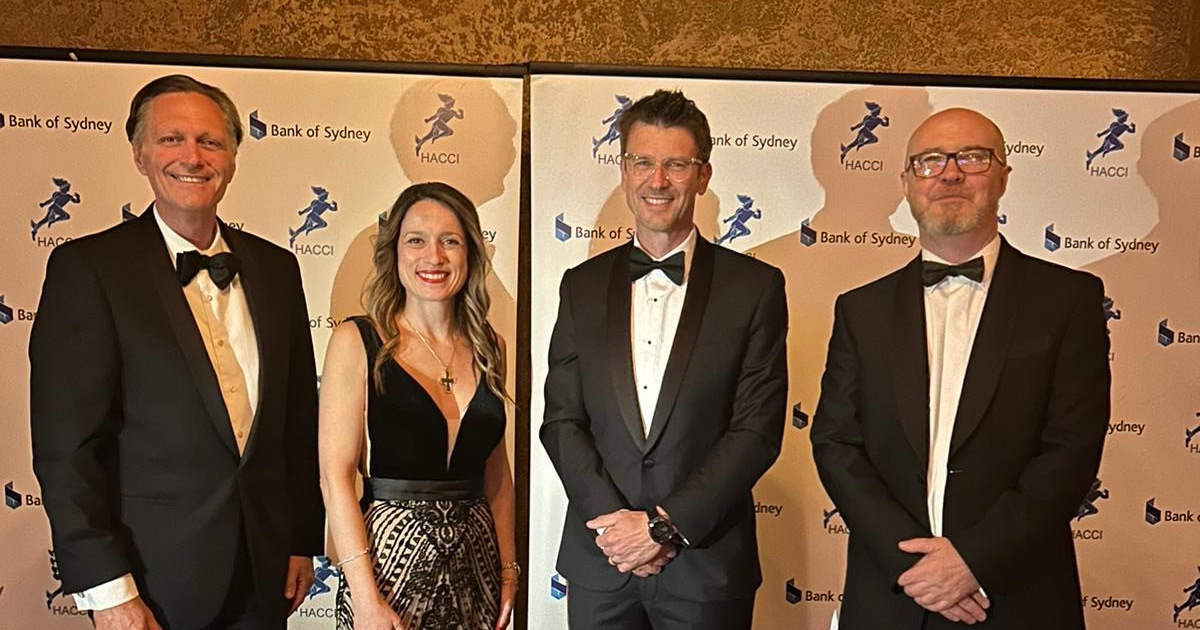
Professor Jonathan Carapetis AM, has been recognised as an outstanding member of the Greek diaspora in Australia for his longstanding excellence and leadership within the health and medical research sector.

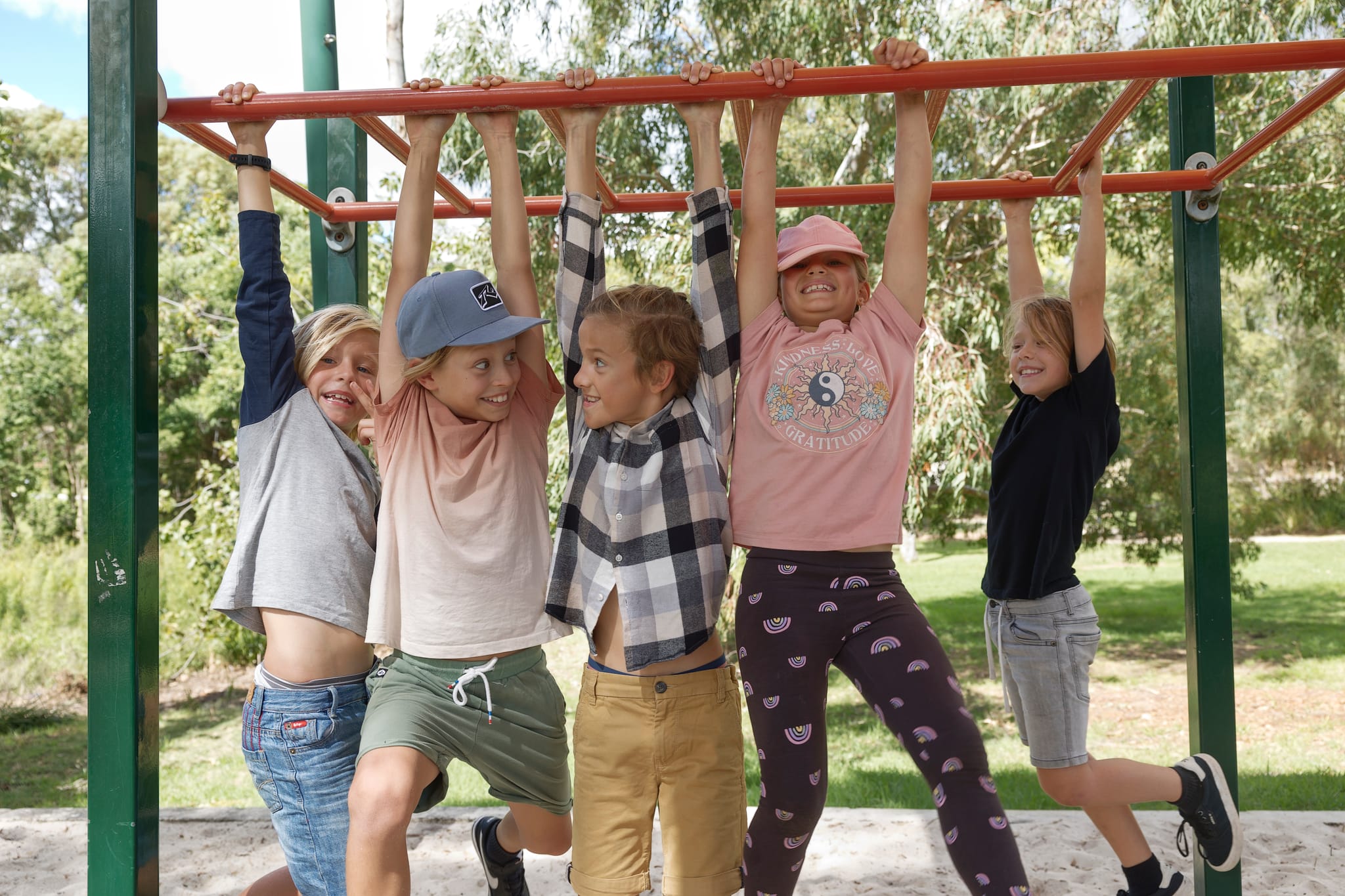
Researchers will use cutting edge big data and geospatial modelling techniques to tackle the dramatic decline in the number of West Australian children walking or riding to school.

Five researchers from The Kids Research Institute Australia have been awarded three-year fellowships with the aim of keeping more WA-based PhD graduates involved in child health research.
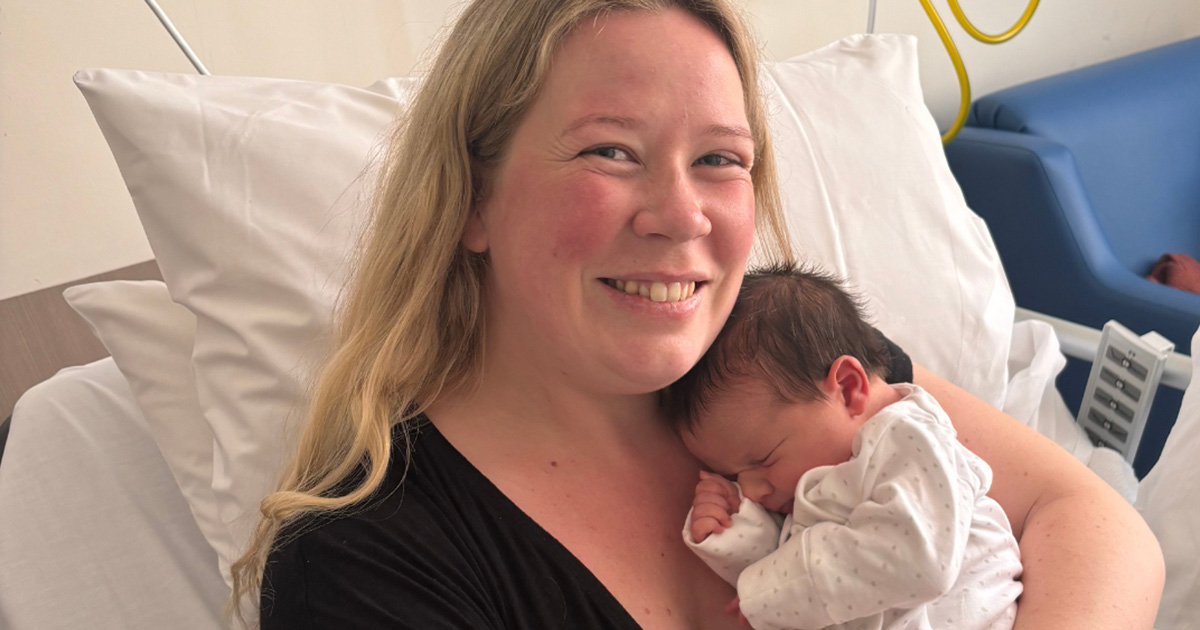
Australia’s biggest longitudinal study following the health and wellbeing of children from their conception through to childhood, has welcomed its 10,000th and final participant.
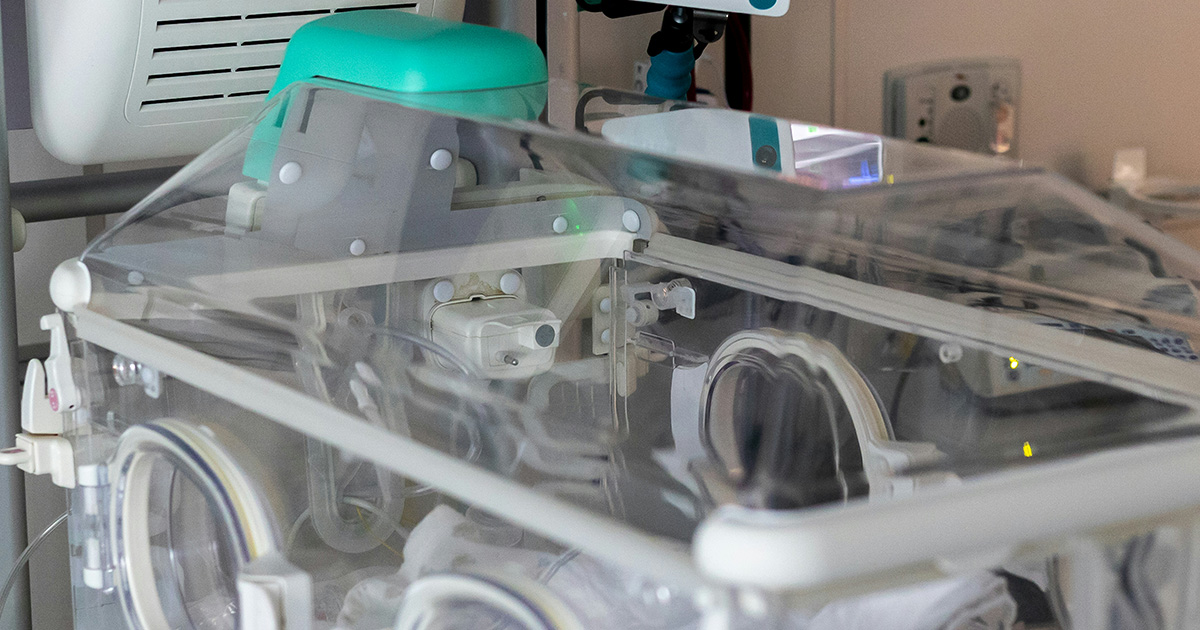
The mental health and wellbeing of new fathers whose children end up in neonatal intensive care is the focus of a new project to be led by The Kids Research Institute Australia researchers, thanks to a $388,000 grant from Healthway.
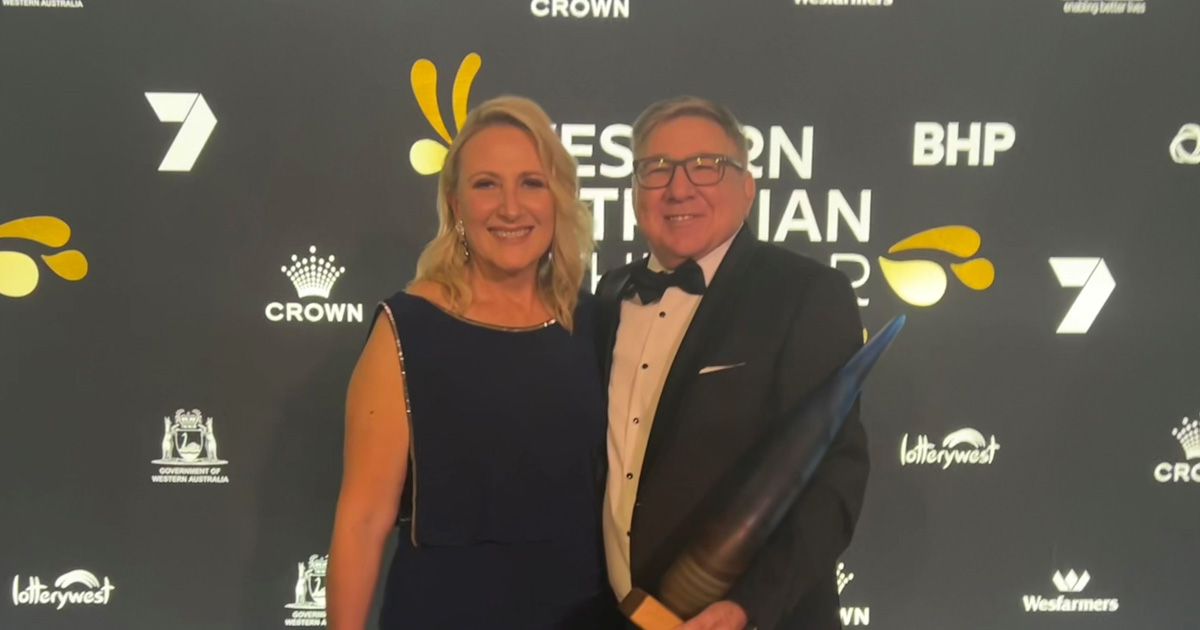
The Kids Research Institute Australia extends its warmest congratulations to health consumer champion Mitch Messer, who won the Community category at the 2024 West Australian of the Year awards last night.
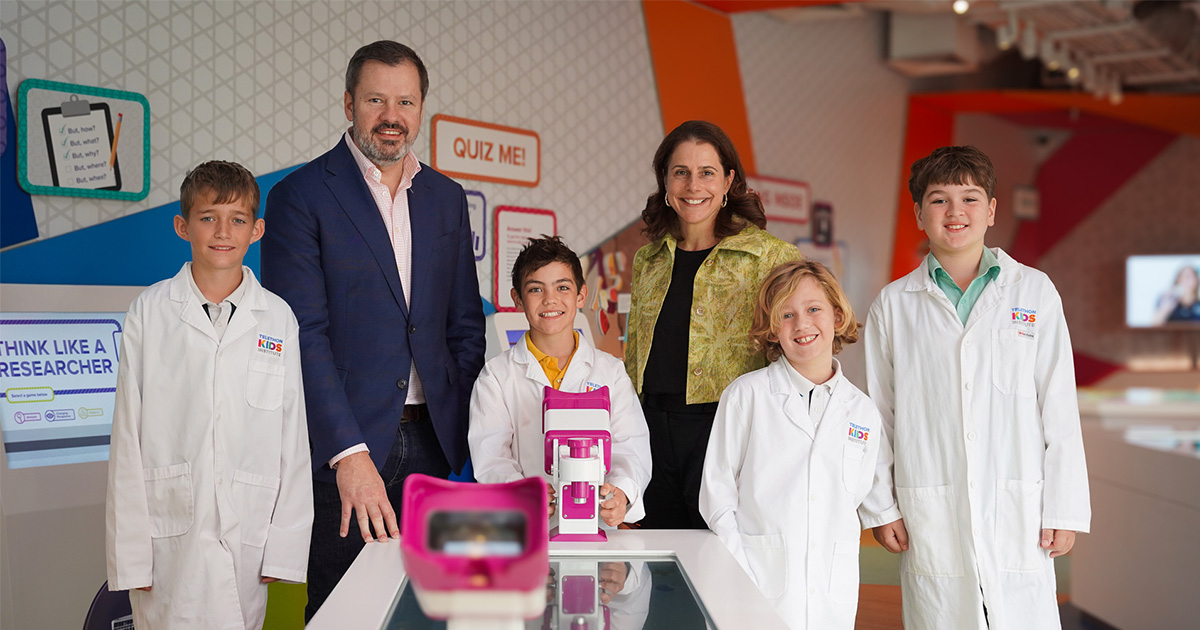
The Kids Research Institute Australia will bring science to the Kimberley for a second year in 2024 after the Federal Government today announced a $20,000 grant for the Institute to deliver the Broome STEM Festival.