
Search
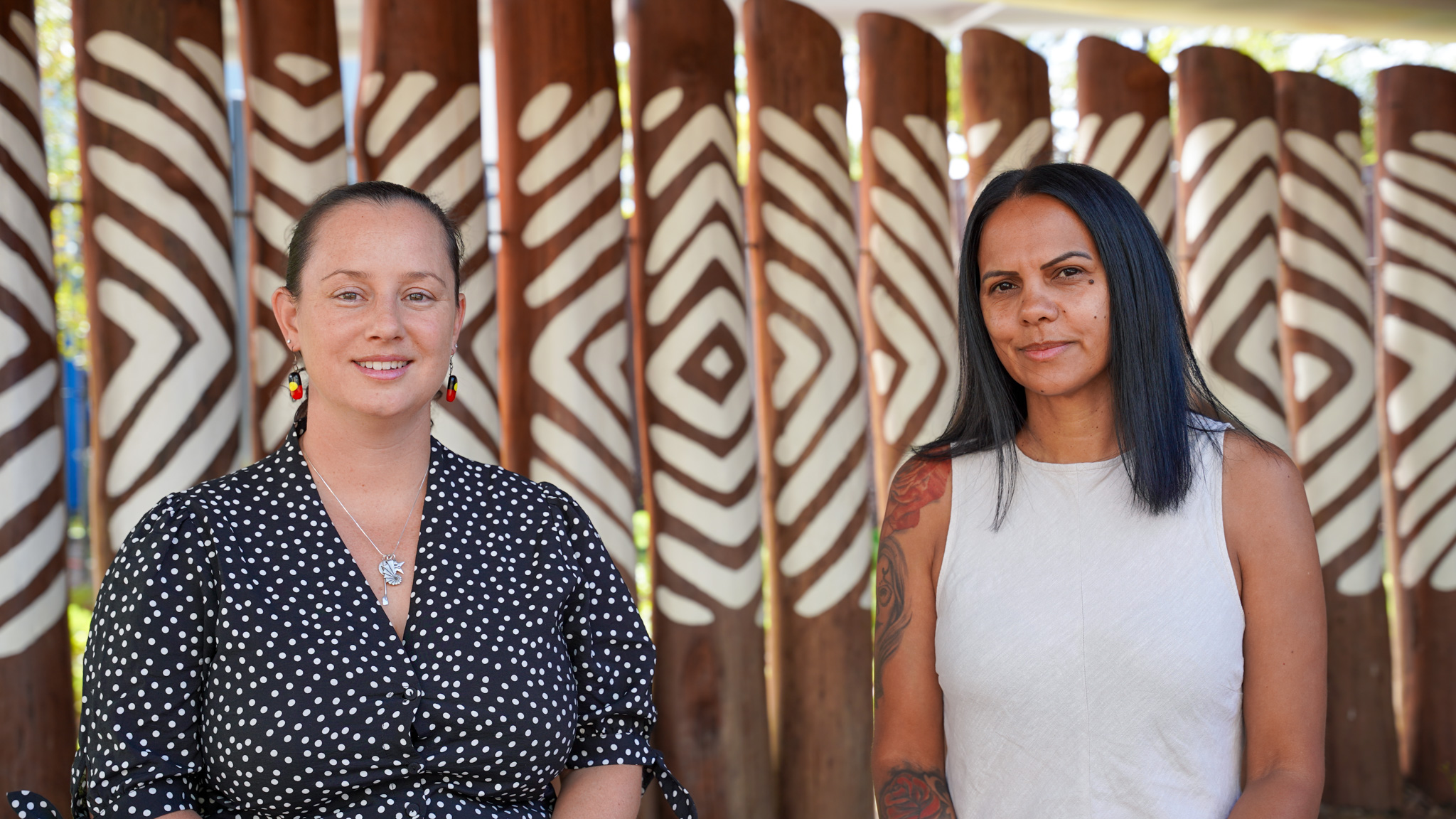
A first of its kind research program at The Kids Research Institute Australia aims to develop new strategies to better treat Aboriginal and Torres Strait Islander children with cancer.
Tropomyosin receptor kinase (TRK) fusions are detected in less than 2% of central nervous system tumors. There are limited data on the clinical course of affected patients.
Acute lymphoblastic leukaemia is a highly heterogeneous malignancy characterised by various genomic alterations that influence disease progression and therapeutic outcomes. Gene fusions involving the immunoglobulin heavy chain gene represent a complex and diverse category.
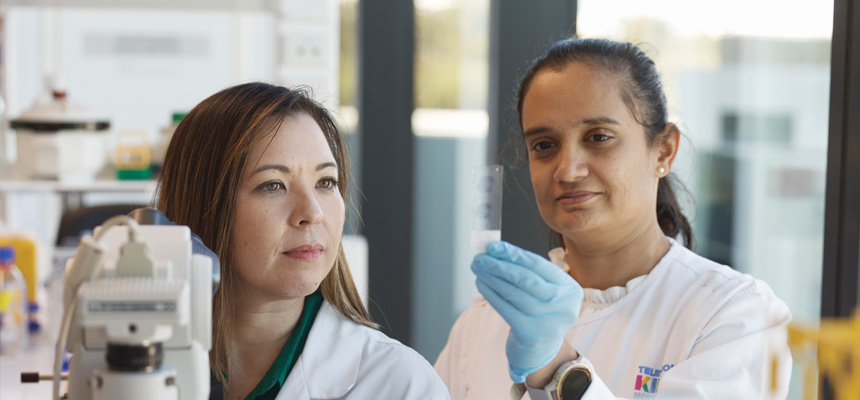
The WA Kids Cancer Centre has a suite of world-leading research projects to unlock new treatments for childhood cancers.
Peers play a crucial role in supporting wellbeing and psychosocial development for young people aged 12-25. However, a cancer experience often leads to challenges maintaining friendships. There have been no prior attempts to map or synthesise available research or resources on support specifically from friends for young people with cancer, limiting the capacity to draw conclusions or determine next steps for how to best support young people with cancer. This review aims to address this gap by mapping and synthesising the available literature and resources.
In pediatric cancer precision medicine clinical trials settings, parents proactively seeking treatment and answers to causation may request return of their child's raw data and/or biospecimen. To satisfy such requests, the ZERO Childhood Cancer Program required a guidance document.
Paediatric cancer is the leading cause of disease-related death in Australian children. Limited research focuses on cancer in Aboriginal and Torres Strait Islander children. Although there appears to be a lower incidence of cancer overall in Aboriginal and Torres Strait Islander children compared with non-Indigenous children, a high proportion of Aboriginal and Torres Strait Islander children are diagnosed with acute myeloid leukaemia.
Immune checkpoint blockade (ICB) evokes antitumor immunity through the reinvigoration of T cell responses. T cell differentiation status controls response, with less differentiated cells having an enhanced capacity to proliferate after ICB. Given that conventional type 1 dendritic cells (cDC1) maintain precursor exhausted T cells (TPEX), we hypothesized that expansion of cDC1s with Flt3L could enhance responses to ICB.
DNA methylation-based classification is now central to contemporary neuro-oncology, as highlighted by the World Health Organization classification of central nervous system tumors. This expansion is a result of newly identified tumor types discovered through our large online repository and global collaborations, underscoring CNS tumor heterogeneity.
Acute lymphoblastic leukaemia (ALL) is the most common paediatric malignancy and remains one of the most common causes of cancer-related death in children and adolescents. It is characterised by the proliferation of immature lymphoid cells capable of infiltrating bone marrow, blood and extramedullary sites. Five-year overall survival rates exceed 90% with current multidrug chemotherapeutic regimens. This manuscript reviews the abdominal imaging features of leukaemic infiltration in children with ALL at the time of initial diagnosis and following relapse.