
Search
Bronchiolitis is a respiratory infection, usually occurring in babies under six months of age. It causes them to wheeze and can lead to pneumonia. Researchers are focusing on vaccines against the virus which commonly causes it.
Our skin, the body’s largest organ, protects us and maintains overall health. Untreated recurring skin infections like impetigo and scabies severely impact children. The Kids is at the forefront of combatting skin infections, particularly within remote Aboriginal communities experiencing some of the world’s highest rates.
A lifelong auto-immune condition that can affect anyone, but is most commonly diagnosed in childhood.
Attention deficit hyperactivity disorder (ADHD) is the most commonly diagnosed childhood mental health disorder, affecting about 1 in 20 children. It can impact their behaviour, learning and social skills.
Cancers in children are very different from cancers in adults - in most cases they appear to strike simply at random. They also develop differently and can spread more rapidly and aggressively. And because cancers in children are not obviously linked to their lifestyles, much work is needed to pinpoint their cause.
Even in the safety of their home, there are many risky places a child or teenager can visit online. This can be due to the content they see, who they come into contact with, and personal information they share.
Language is one of the most remarkable developmental accomplishments of early childhood. Language connects us with others and is an essential tool for literacy, education, employment and lifelong learning.
In Vitro Fertilisation (IVF) is an Assisted Reproductive Technology (ART) in which an egg is fertilised by sperm outside the body.
Bullying is now regarded as a health problem and not just a disciplinary problem. Increasing evidence shows both traditional bullying (e.g. hitting, teasing) and cyberbullying have lasting effects on young people (both those who bully and those who are bullied), including damage to self-esteem, academic results and mental health.
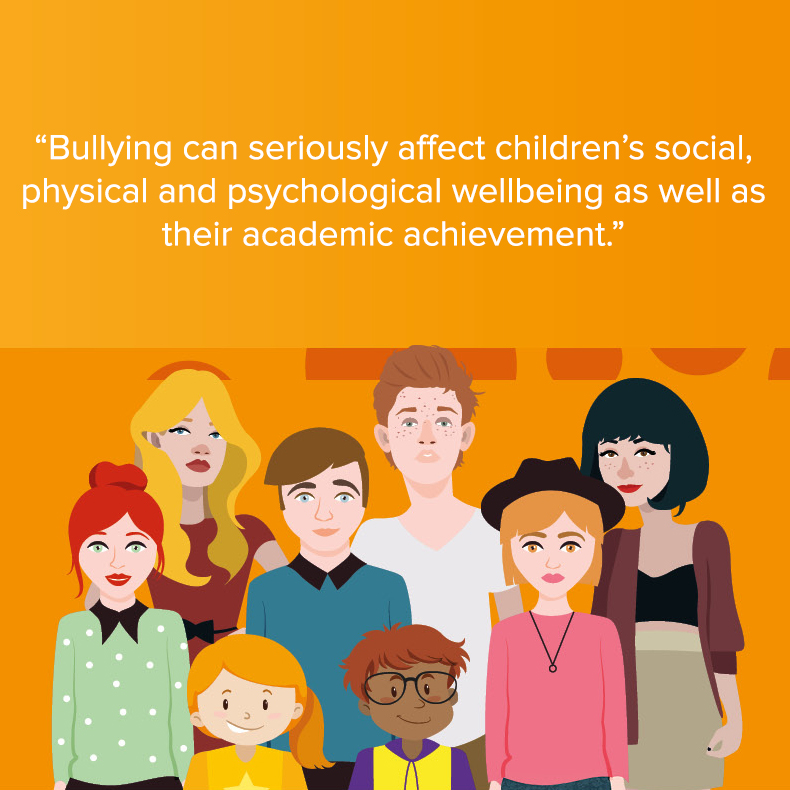
Infographics to easily learn more about bullying and what actions to take should bullying be an issue in your school or community.