
Search
Pesticide exposure is a suspected risk factor for childhood cancer. We investigated the risk of developing childhood cancer in relation to parental occupational exposure to pesticides in Switzerland for the period 1990-2015.
This study provides evidence to support annual inactivated influenza vaccine administration to children following allogeneic haematopoietic stem cell transplant
Cancers in children are very different from cancers in adults - in most cases they appear to strike simply at random. They also develop differently and can spread more rapidly and aggressively. And because cancers in children are not obviously linked to their lifestyles, much work is needed to pinpoint their cause.
Cancer researchers have narrowed-down the field of immunotherapy drugs which could be used to tackle a form of childhood brain cancer.
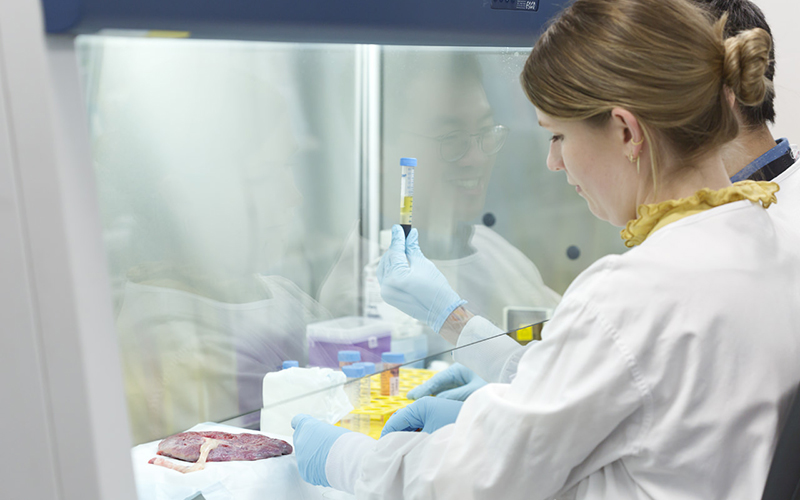
Four The Kids Research Institute Australia-based biobanks which underpin a range of cancer, respiratory and early life research have received more than $450,000 in funding.
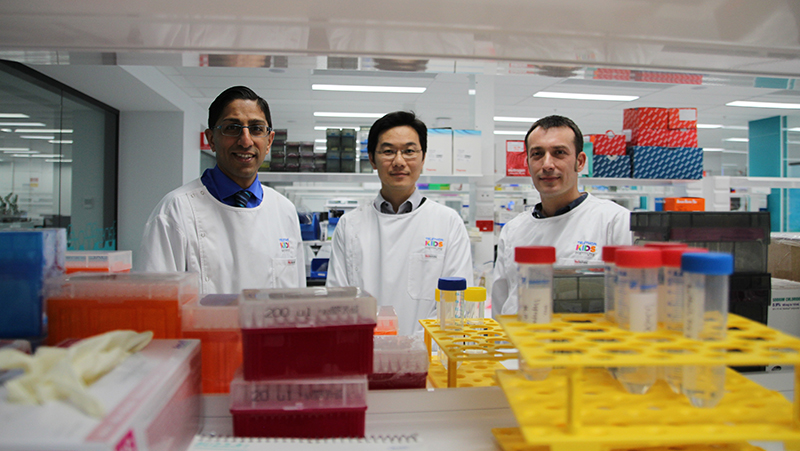
Kids born with Down syndrome are at high risk of an array of health problems. One of the lesser-known complications is their increased risk of childhood leukaemia.

Dr Laurence Cheung is doing everything he can to end the threat of childhood leukemia. His research has the potential to change countless lives, but he also has another important job – being a dad to three beautiful children.
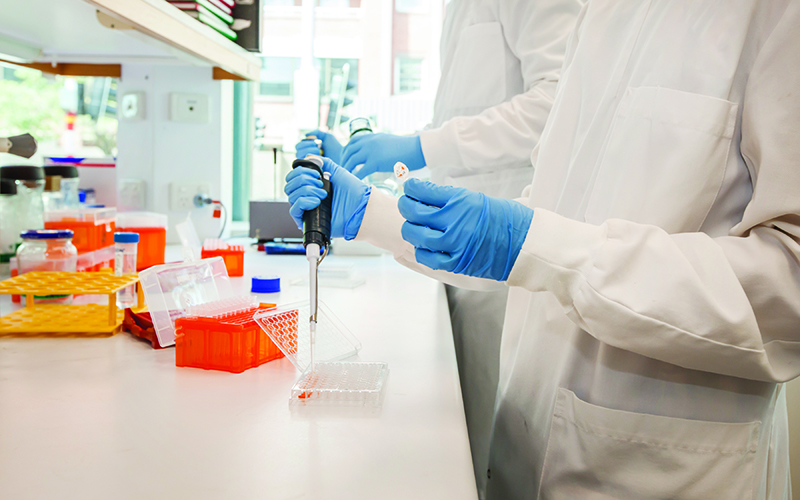
In an Australian-first, The Kids Research Institute Australia researchers have developed a new tool that could improve outcomes for children with a highly aggressive type of brain cancer.
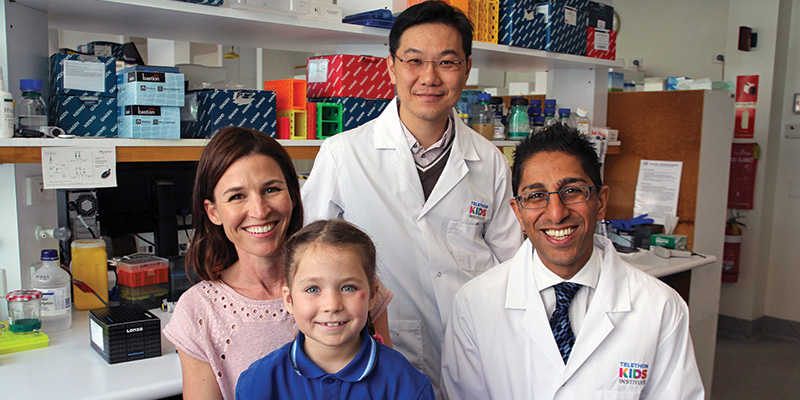
When three-year-old Flo Parker injured her hip on a camping trip five years ago, her parents thought it would be nothing more than a common childhood injury.
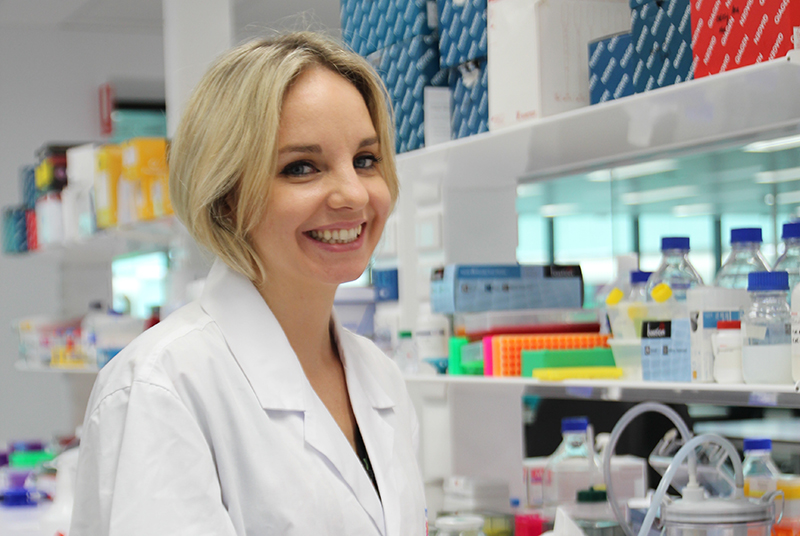
The Robert Connor Dawes Foundation has joined forces with the Ethan Davies Fellowship to co-fund a The Kids Research Institute Australia initiative aimed at uncovering new treatments for aggressive childhood brain tumours.