
Search
Child obesity is a serious public health challenge affected by both individual choice and societal and environmental factors. The main modifiable risk factors for child obesity are unhealthy eating and low levels of physical activity, both influenced by aspects of the built environment.
This study aims to examine associations between individual, social, home, & neighbourhood environmental factors & dietary intake among adults.
The Kids Research Institute Australia is conducting a research study to evaluate a 4-month trial ban on the sale of energy drinks to children in all retail stores in Bridgetown.
Gina Nicole Trapp Hanna BHSc(Hons1A), RPHNutr, PhD BHlthSc (Hons) Honorary Research Associate Program Manager 08 6319 1033 Gina.Trapp@thekids.org.au
Gina Trapp BHSc(Hons1A), RPHNutr, PhD Honorary Research Associate Gina.Trapp@thekids.org.au ARC DECRA Fellow & Head of Food and Nutrition Research Dr
Gina Trapp BHSc(Hons1A), RPHNutr, PhD Honorary Research Associate Gina.Trapp@thekids.org.au ARC DECRA Fellow & Head of Food and Nutrition Research Dr
Gina Trapp BHSc(Hons1A), RPHNutr, PhD Honorary Research Associate Gina.Trapp@thekids.org.au ARC DECRA Fellow & Head of Food and Nutrition Research Dr
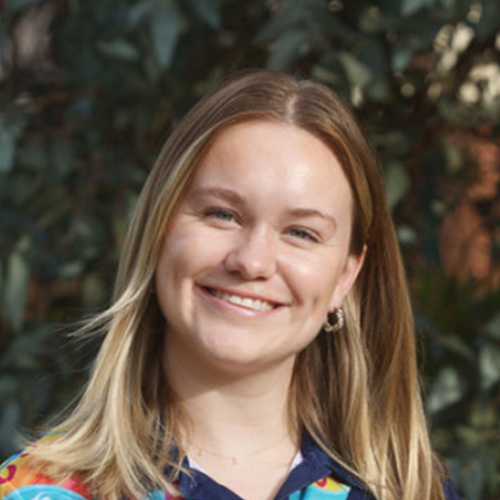
Research Assistant

PhD Candidate
Gina Hayley Trapp Christian BHSc(Hons1A), RPHNutr, PhD BSc (1st Class Hons), PhD (Distinction) W.Aust. Honorary Research Associate Head, Child