
Search
The prevalence of stillbirth in many high income countries like Australia has remained unchanged for over 30 years. The 2018 Australian government Senate Select Committee on Stillbirth Research and Education highlighted the need for a public health campaign to encourage public conversations and increase awareness.
Obesity rates have been rising steeply across the globe in recent decades, posing a major threat to global human health. Despite this almost universal increase, differences between countries remain striking, even among equally developed societies.
It is known that a previous preterm birth increases the risk of a subsequent preterm birth, but a limited number of studies have examined this beyond two consecutive pregnancies. This study aimed to assess the risk and patterns of (recurrent) preterm birth up to the fourth pregnancy.
Diabetes in pregnancy (DIP), which includes pre-gestational and gestational diabetes, is more prevalent among Aboriginal women. DIP and its adverse neonatal outcomes are associated with diabetes and cardiovascular disease in the offspring.
The climate crisis has detrimental impacts on the mental health and wellbeing of children and young people. Psychological effects include feelings of fear, overwhelm, worry, distress, hopelessness and anger; PTSD; depression; anxiety; phobias; panic disorder; sleep disturbances; attachment disorders; learning difficulties; substance abuse; shock and trauma symptoms; adjustment problems; behavioural problems; and, suicidal thinking.

Led by nine Elders, the Ngulluk Koolunga Ngulluk Koort Project is working to generate a better understanding of early childhood development from an Aboriginal/Nyoongar perspective.
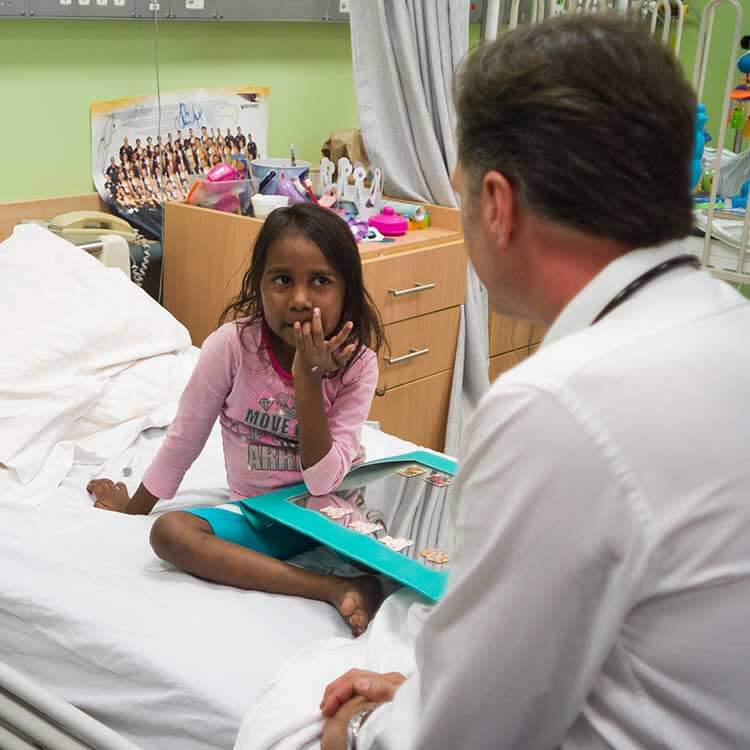
Some of the nation’s leading medical researchers will converge on Darwin this week to step out a plan to wipe out rheumatic heart disease.
This five-year project in Western Australia (WA) aims to promote vitamin D sufficiency among Aboriginal people by developing food-based dietary strategies to increase vitamin D intakes and by encouraging safe sun exposure.
Carrington Shepherd PhD Honorary Research Associate Honorary Research Associate Areas of research expertise: Population health; Aboriginal and Torres
First Nations women in Australia continue to experience disproportionately adverse maternal and infant outcomes. The ongoing legacy of colonisation and systemic racism shapes these outcomes. In the Australian Capital Territory (ACT), maternity services remain dominated by Western biomedical approaches that fail to deliver culturally safe and anti-racist care despite national standards that mandate such practices.