
Search
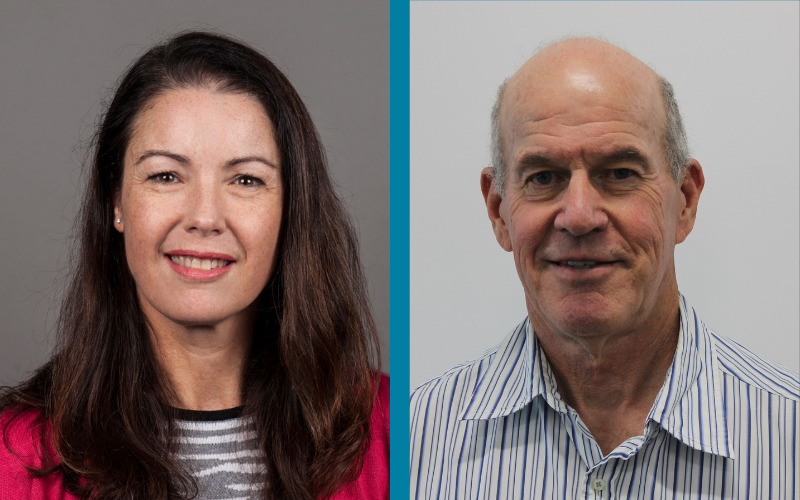
Research focussed on identifying which children will develop asthma, and developing more specific asthma treatments, has been supported by the National Health and Medical Research Council’s (NHMRC) Ideas Grants announced by the Federal Government on 14 December 2022.
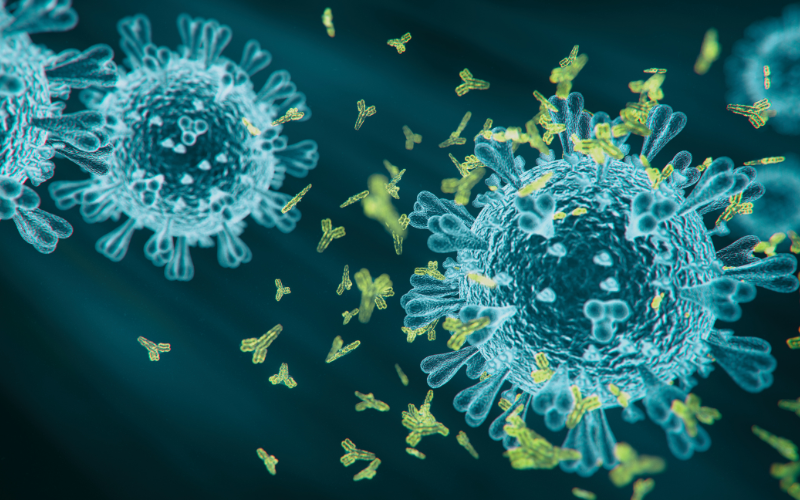
Results of an innovative clinical trial led by Perth researchers have shown that the drug interferon could help reduce the spread of COVID-19 from a positive person to their household contacts, with the study helping to inform treatment options for a future pandemic.
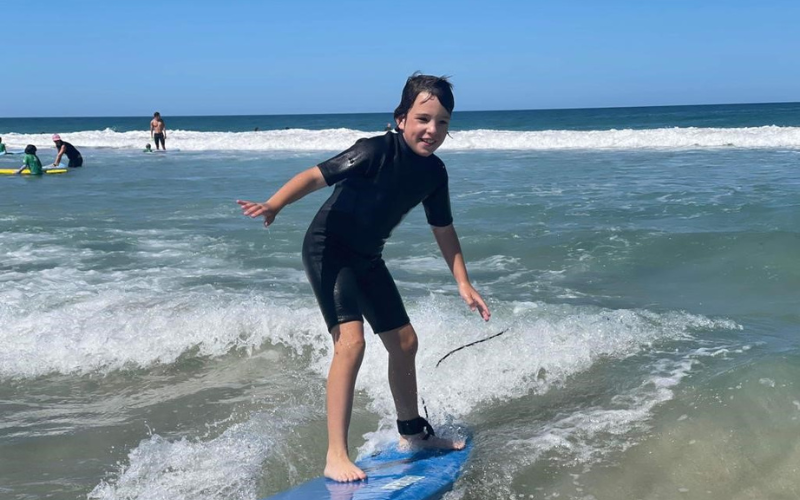
Ten-year-old Keelan Mullins is known to his mum Clare Hindle as her ‘miracle baby’. Keelan was born in March 2013 at 26 weeks’ gestation and weighing just 1096 grams.
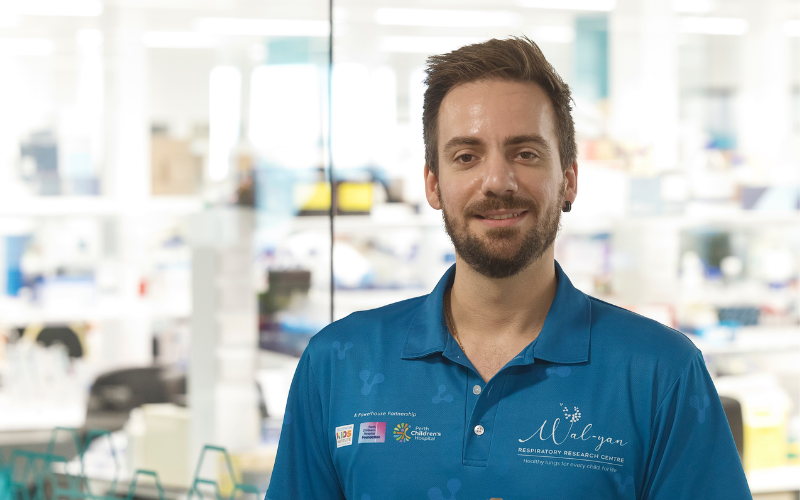
As the Wal-yan Respiratory Research Centre turns three, we celebrate our achievements, and say thank you to our amazing community.
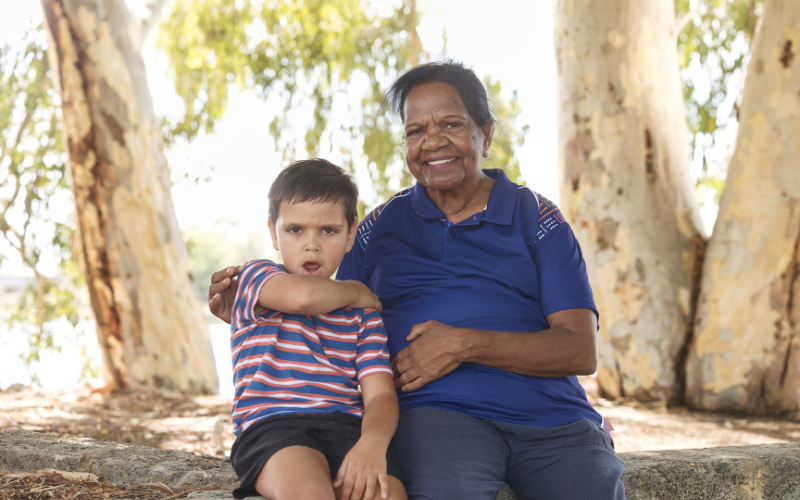
An intensive health promotion campaign which aims to raise awareness of the dangers of a chronic wet cough in Aboriginal children launched this month in Perth.
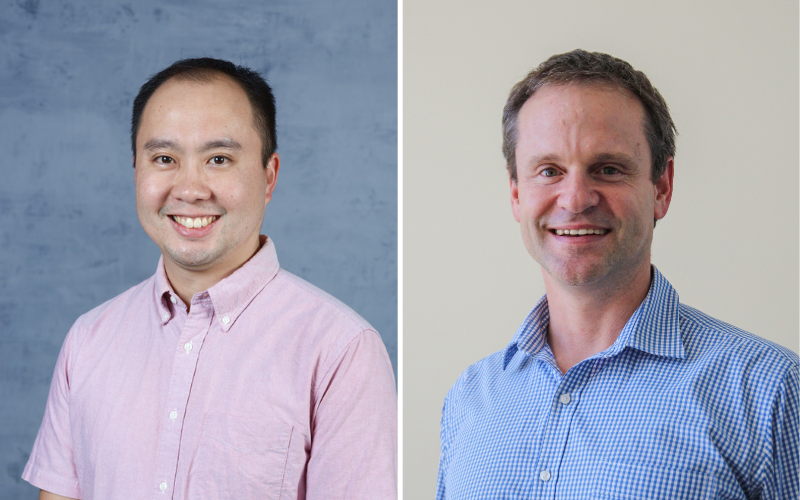
Wal-yan Respiratory Research Centre researchers will use almost $1.2 million in WA Child Research Fund grants to determine why Indigenous children develop bronchiectasis at such high rates after contracting bronchiolitis, and to test a promising novel treatment for respiratory syncytial virus (RSV).
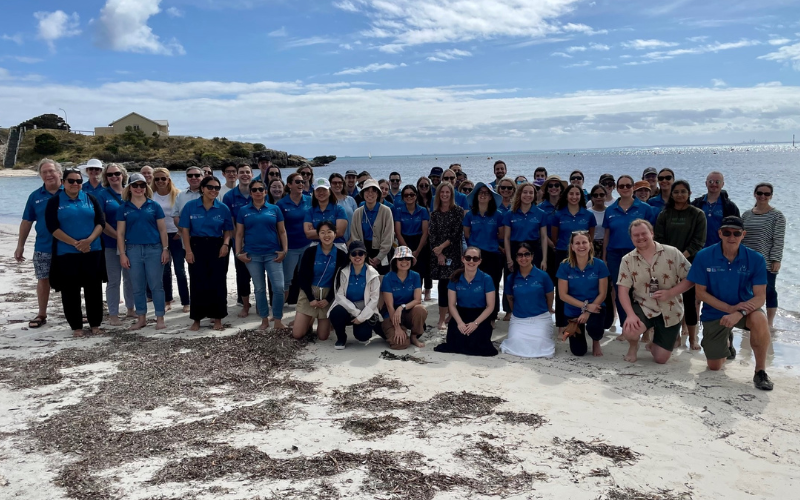
The Wal-yan Respiratory Research Centre's dedicated team members, along with special guests, embarked on a journey to Wadjemup (Rottnest Island) on 9 and 10 November.

The agenda of sessions for day two
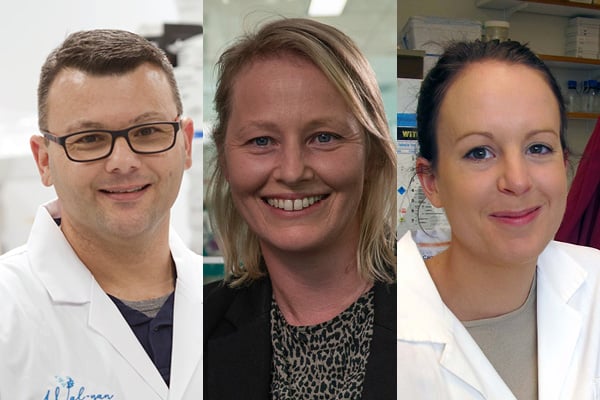
Three researchers from the Wal-yan Respiratory Research Centre will share in almost $1.8 million in grants to continue groundbreaking research to tackle childhood asthma prevention and lung disease.
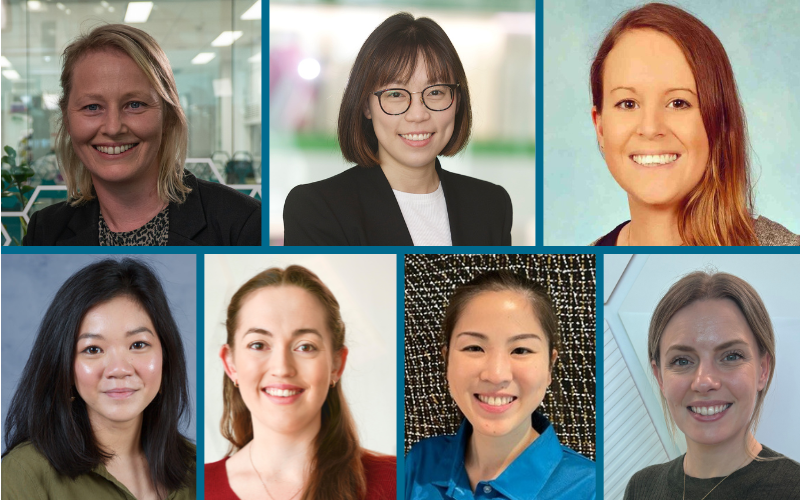
Researchers from the Wal-yan Respiratory Research Centre are proud to be part of this prestigious event, contributing their expertise to the Congress' outstanding scientific programme.