
Search
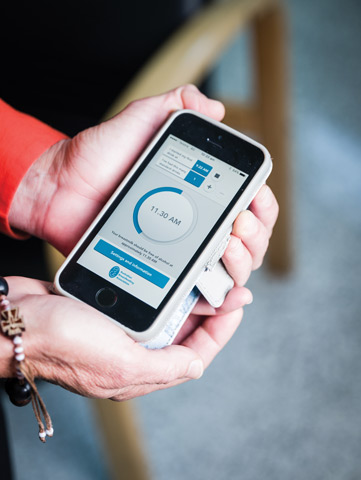
A new phone app developed by The Kids Research Institute Australia researcher Dr Roslyn Giglia is helping mothers change the way they approach alcohol and breastfeeding.

As a child health researcher, I'm often asked by new Mums what's the best thing they can do for their babies? And my answer is always the same, breastfeed.
The COVID-19 pandemic has impacted new mothers’ wellbeing and breastfeeding experience. Women have experienced changes in birth and postnatal care and restricted access to their support network. It is unclear how these impacts may have changed over time with shifting rates of infection and policies restricting movement and access to services in Australia and New Zealand.
Debbie Palmer BSc BND PhD Head, Nutrition in Early Life debbie.palmer@uwa.edu.au Head, Nutrition in Early Life Areas of research expertise: Maternal
BABIES SAY "THANK YOU" AS NEW RESEARCH REVEALS BREASTFEEDING BOOSTS MENTAL HEALTH
Modern societies are challenged by "wicked problems" - by definition, those that are difficult to define, multi-casual and hard to treat.
There is controversy over whether increased breast-feeding duration has long-term benefits for language development.
The rate of non-compliance with vitamin D supplementation is as high as 45%. This is why randomised controlled trials are needed to analyse the response...
To determine whether there was an independent effect of breastfeeding on child and adolescent mental health
Cytokines in milk like transforming growth factor-beta (TGF-beta) have been shown to induce oral tolerance in experimental animal studies