
Search
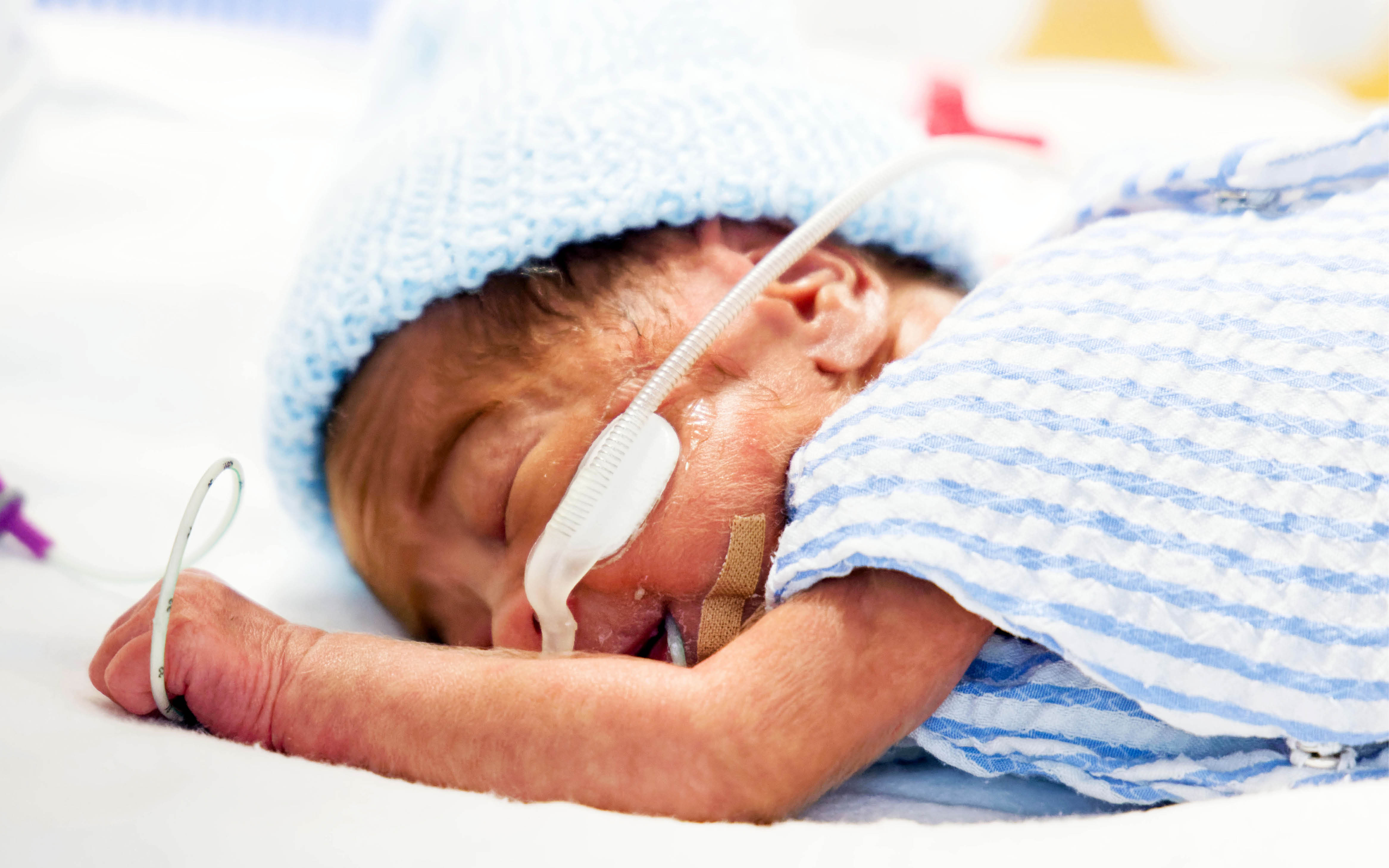
Preterm babies have a heightened risk of infection as their immune system is not mature. The Neonatal Health Team is exploring new ways to diagnose, prevent and treat infections in WA's smallest patients .
Machine learning (ML) algorithms are powerful tools that are increasingly being used for sepsis biomarker discovery in RNA-Seq data. RNA-Seq datasets contain multiple sources and types of noise (operator, technical and non-systematic) that may bias ML classification. Normalisation and independent gene filtering approaches described in RNA-Seq workflows account for some of this variability and are typically only targeted at differential expression analysis rather than ML applications.
We compared mortality and morbidity of inborn versus outborn very preterm infants <32 weeks' gestation in Western Australia (WA) between 2005 and 2018
With advances in perinatal care, we have achieved major reductions in mortality in premature and critically ill infants, but they still remain at increased risk of neurodevelopmental disability. In this context, recent advances in neuroimaging are perceived as an addition of significant value to current clinical developmental screening programs.
Preterm birth and subsequent neonatal ventilatory treatment disrupts development of the hypoxic ventilatory response (HVR). An attenuated HVR has been identified in preterm neonates, however it is unknown whether the attenuation persists into the second year of life.
Developmental thymic waves of innate-like and adaptive-like γδ T cells have been described, but the current understanding of γδ T cell development is mainly limited to mouse models.
The purpose of this study was to characterise neonatal Staphylococcus aureus (SA) sepsis in Western Australia (WA) between 2001 and 2020 at the sole tertiary neonatal intensive care unit (NICU), examine risk factors for sepsis in the cohort, and compare short- and long-term outcomes to control infants without any sepsis.
Composition of leukocyte populations in the first month of life remains incompletely characterised, particularly in preterm infants who go on to develop late-onset sepsis (LOS). The aim of the study was to characterise and compare leukocyte populations in preterm infants with and without LOS during the first month of life.
A previous systematic review showed that intramuscular vitamin A supplementation reduced the risk of bronchopulmonary dysplasia (BPD) in very-low-birth-weight (VLBW) infants. However, more recent studies have questioned this finding.
There is limited information regarding the use of parenteral nutrition (PN) in term and late preterm infants. We conducted a survey to study the current clinical practices within Australia and New Zealand (ANZ). A 15-question online-survey was distributed to 232 neonatologists and 55 paediatric intensivists across ANZ between September and November 2019.