
Search
First Nations women in Australia continue to experience disproportionately adverse maternal and infant outcomes. The ongoing legacy of colonisation and systemic racism shapes these outcomes. In the Australian Capital Territory (ACT), maternity services remain dominated by Western biomedical approaches that fail to deliver culturally safe and anti-racist care despite national standards that mandate such practices.
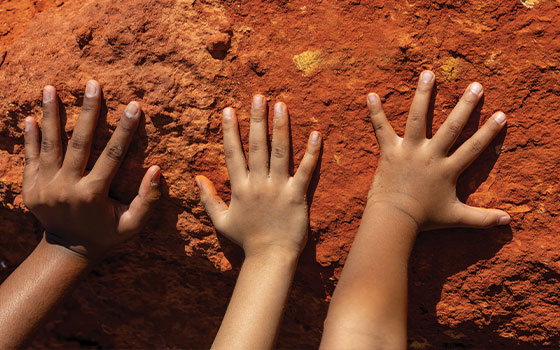
Facilitate research interest & opportunities that involve Aboriginal families & communities and build the capacity and development of Institute researchers
This resource kit for Aboriginal health workers is an exciting milestone in the Rio Tinto Aboriginal Health partnership with The Kids Research Institute Australia
As part of the discussions with Kimberley Aboriginal Medical Service (KAMS) to establish the Broome site of the WAAHKN it has been agreed to establish...
The colonisation of Australia around 250 years ago left a significant enduring impact on the mental health of Aboriginal and Torres Strait Islander peoples. Vitamin D may play a role in modulating mental health as its receptors are present in the brain regions associated with mood and behaviour regulation.
This five-year project in Western Australia (WA) aims to promote vitamin D sufficiency among Aboriginal people by developing food-based dietary strategies to increase vitamin D intakes and by encouraging safe sun exposure.
Carrington Shepherd PhD Honorary Research Associate Honorary Research Associate Areas of research expertise: Population health; Aboriginal and Torres
Brad Carrington Fiona Farrant Shepherd Stanley BSc (Hons), PhD PhD FAA FASSA MSc MD FFPHM FAFPHM FRACP FRANZCOG HonDSc HonDUniv HonFRACGP HonMD
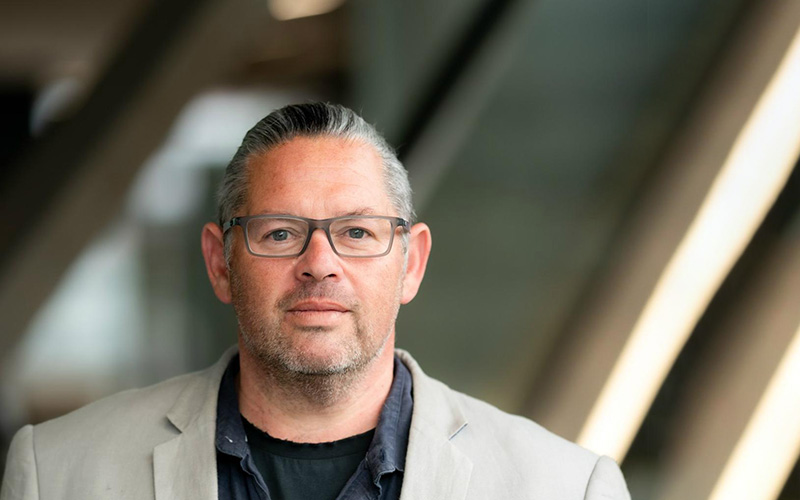
The Kids Research Institute Australia and Australian National University Professor of Indigenous Genomics, Professor Alex Brown, has become the first Indigenous member of the Commonwealth Scientific and Industrial Research Organisation (CSIRO) Board.
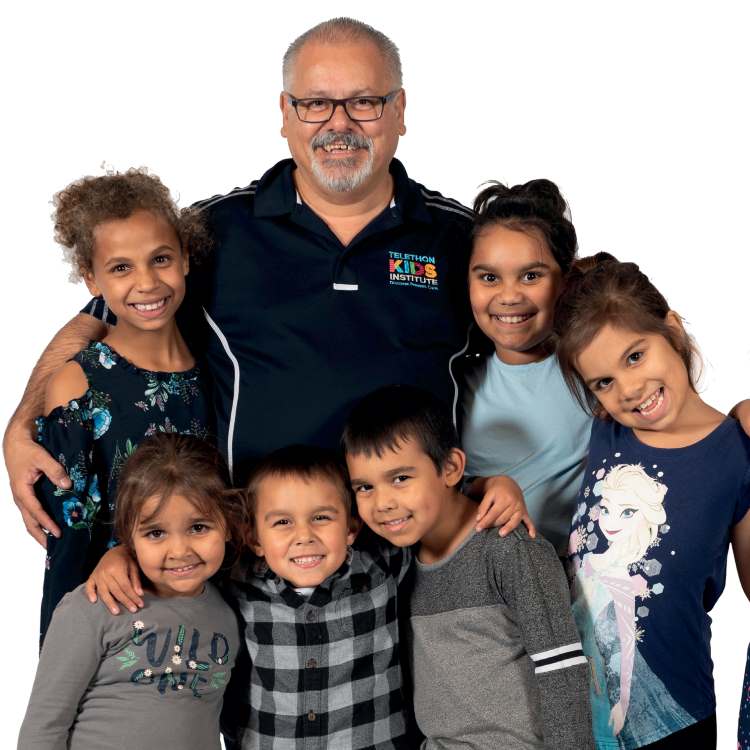
Led by nine Elders, the Ngulluk Koolunga Ngulluk Koort Project is working to generate a better understanding of early childhood development from an Aboriginal/Nyoongar perspective.