
Search
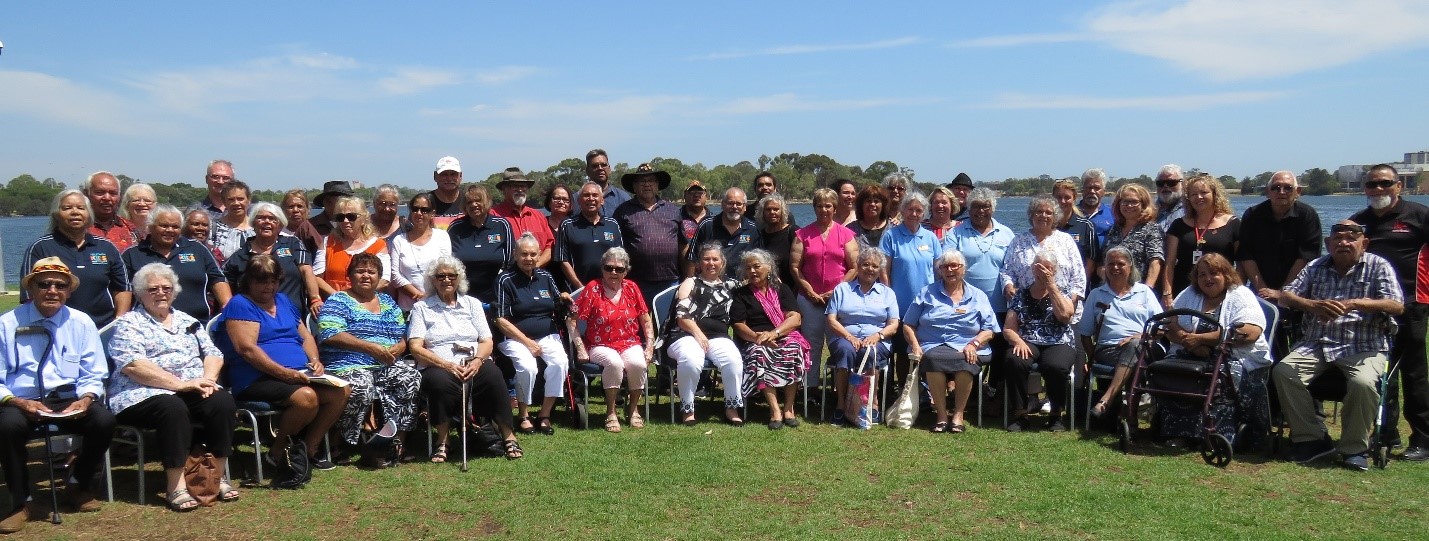
The third Big Elders meeting/gathering was held on the 26th of February 2019 at Burswood on Swan.
This study described the distribution of healthy body composition among Aboriginal adolescents in Australia aged 10-24 years and examined associations with health behaviours and self-rated health.
Streptococcus pyogenes, or group A Streptococcus (GAS), infections contribute to a high burden of disease in Aboriginal Australians, causing skin infections and immune sequelae such as rheumatic heart disease. Controlling skin infections in these populations has proven difficult, with transmission dynamics being poorly understood. We aimed to identify the relative contributions of impetigo and asymptomatic throat carriage to GAS transmission.
Discharge against medical advice (DAMA) is a priority issue for the health system. Little is known about the factors associated with DAMA for Aboriginal and/or Torres Strait Islander (Aboriginal) children in Australia.
Reducing the over-representation of Aboriginal children in the child protection system is a key target for the Australian government. We aimed to provide more recent evidence on the population-level cumulative incidence of contacts for Aboriginal children with child protective services in Western Australia.
Aboriginal Australians have a fundamental human right to opportunities that lead to healthy and flourishing lives. While the impact of trauma on Aboriginal Australians is well-documented, a pervasive deficit narrative that focuses on problems and pathology persists in research and policy discourse.
Between 1964 and 1996, the 10-year survival of patients having valve replacement surgery for rheumatic heart disease (RHD) in the Northern Territory, Australia, was 68%. As medical care has evolved since then, this study aimed to determine whether there has been a corresponding improvement in survival.
Type 2 diabetes mellitus (T2DM) is highly prevalent within the Indigenous Australian community. Novel glucose monitoring technology offers an accurate approach to glycaemic management, providing real-time information on glucose levels and trends. The acceptability and feasibilility of this technology in Indigenous Australians with T2DM has not been investigated.
In Australia, Aboriginal children experience disproportionate rates of type 2 diabetes (T2D) compared with non-Aboriginal children. The aim of this qualitative study was to explore the experiences of Aboriginal adolescents with T2D and their family members to better understand the influences of T2D on self-management, with findings used to inform an enhanced service model of care.
Substance use disorders (SUDs) cause significant harm to regional Australians, who are more likely to misuse alcohol and other drugs (AODs) and encounter difficulty in accessing treatment services. The primary aims of this study were to describe the demographics of patients aeromedically retrieved from regional locations and compare hospital outcomes with a metropolitan-based cohort.