
Search

The Wal-yan Respiratory Research Centre is thrilled to see three researchers awarded prestigious Medical Research Future Fund (MRFF) Chronic Respiratory Conditions grants to improve lung health in children.
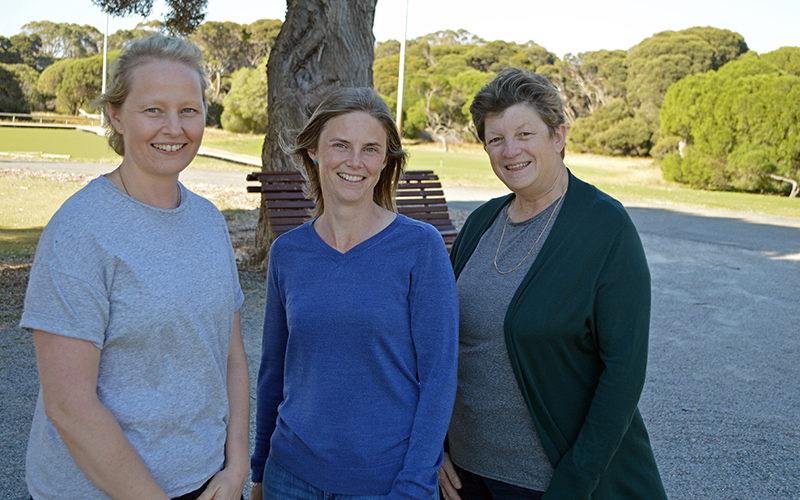
Preterm researchers Dr Shannon Simpson (left) and Professor Jane Pillow (right) with Tony Sparks WA chairperson Amber Bates.
The Kids Research Institute Australia, Perth Children’s Hospital Foundation and Perth Children’s Hospital have formed a strategic partnership to support the establishment and operation of the Wal-yan Respiratory Research Centre.

The AERIAL study, in partnership with The ORIGINS Project, endeavours to understand if exposures during pregnancy and early life can affect the cells lining the airways in newborns, and whether this is associated with the development of wheeze, allergy and asthma later in childhood.
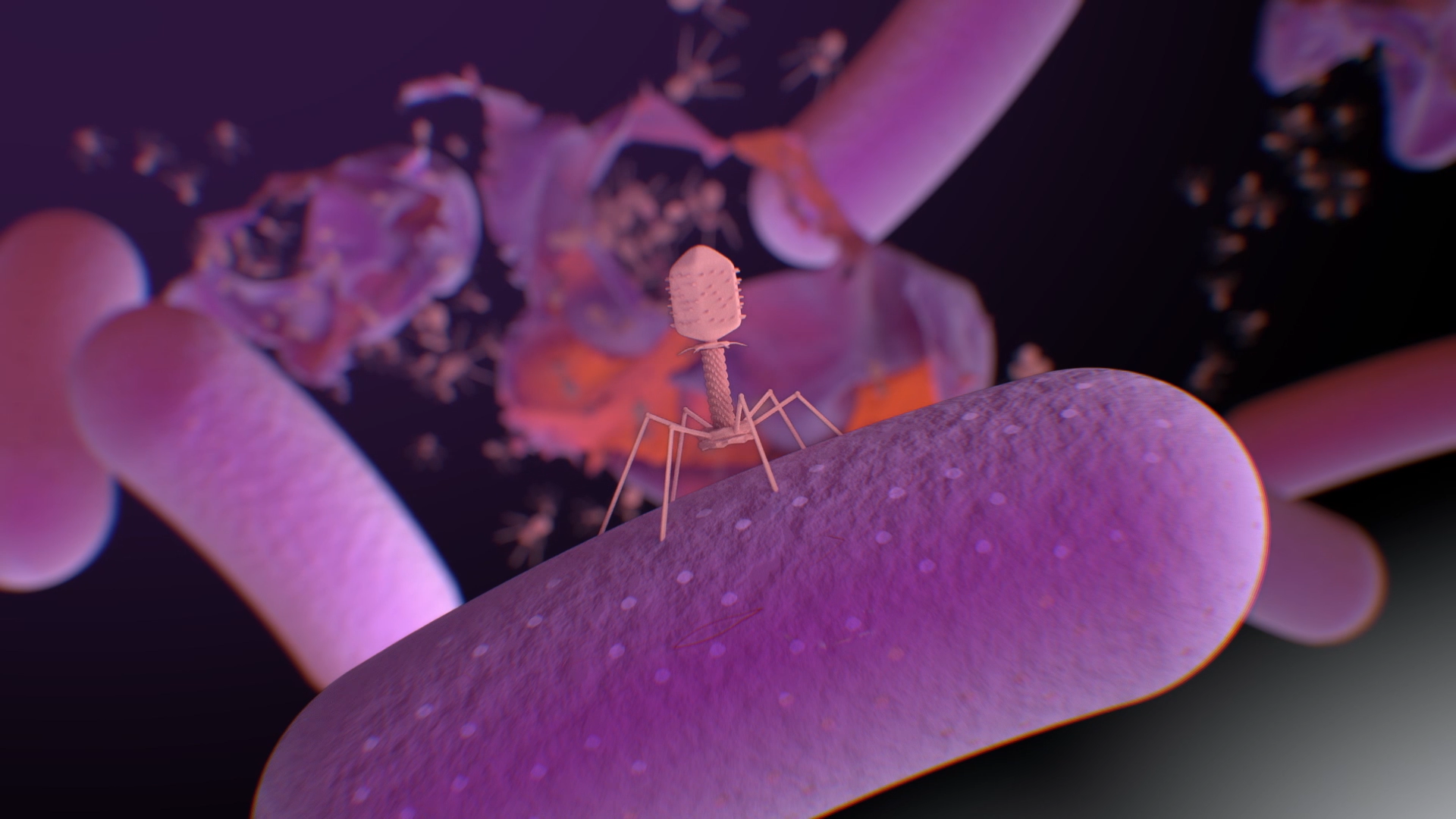
Find out how you can get involved with our work at Phage WA.
Here are some of the most common questions about phage, phage therapy and antimicrobial resistance (AMR).
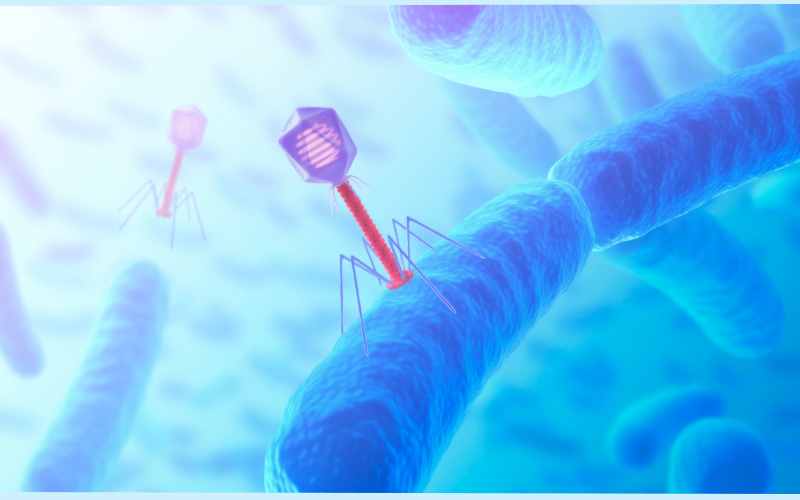
The Wal-yan Respiratory Research Centre is seeking expressions of interest from Western Australians to join an Antimicrobial Resistance (AMR) Community Reference Group, to provide vital community perspectives on the research activities into this global health concern.

Researchers from the Wal-yan Respiratory Research Centre are aiming to combine artificial intelligence with natural, infection-fighting viruses to help save lives from an increasingly common medical emergency found in hospitals.
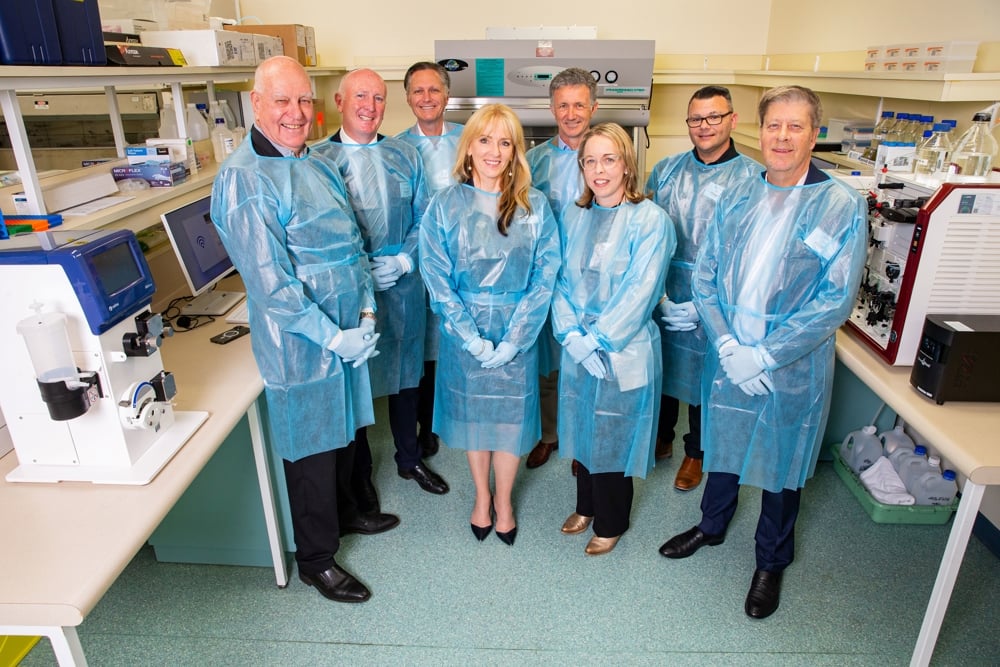
Patients battling antibiotic-resistant superbugs will soon have access to life-saving WA-made therapies that could help treat lung, skin and ear infections as well as bacterial infections like Golden Staph. Western Australia's inaugural phage manufacturing facility – spearheaded by a team at the
Burkholderia cepacia complex causes life-threatening respiratory infections. Here, a bacteriophage with activity against B. cenocepacia was isolated from wastewater. It has a genome size of 70,144 bp and has the taxonomic classification Irusalimvirus. It has no genes associated with lysogeny, bacterial resistance, or virulence.