
Search
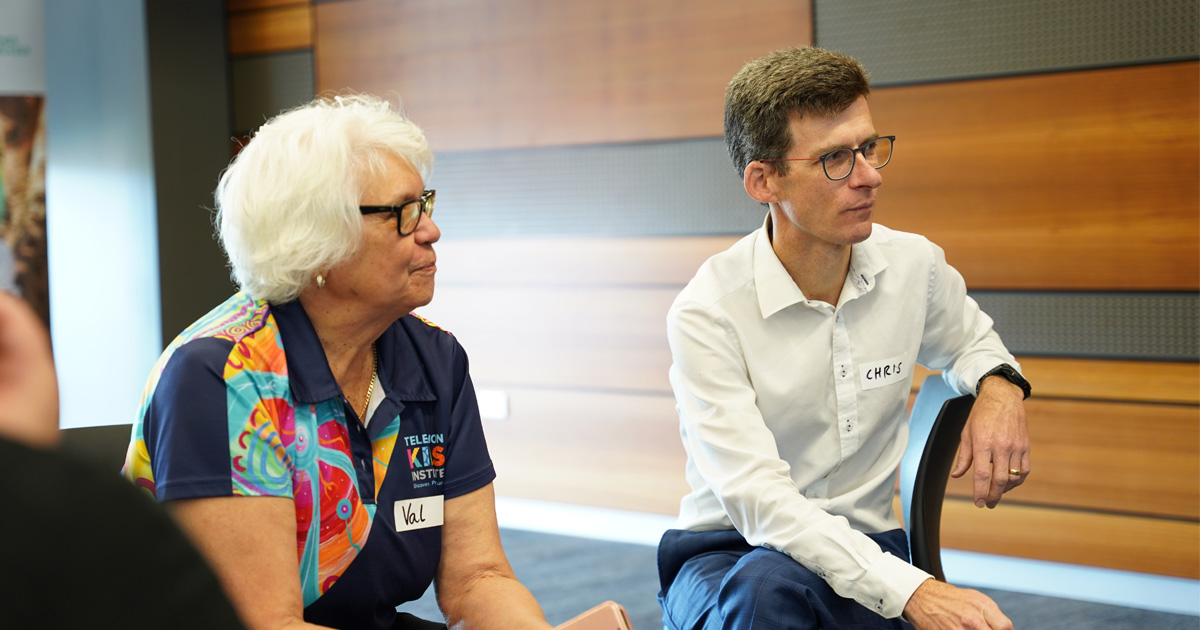
Researchers from the Wesfarmers Centre of Vaccines and Infectious Diseases at The Kids Research Institute Australia have shared their expertise with the community in Cockburn, covering topics ranging from respiratory disease in babies to recurring ear infections in kids.
Belaynew Christopher Peter Hannah Minda Huong Taye Blyth Richmond Moore Sarna Le MD, MPH, PhD MBBS (Hons) DCH FRACP FRCPA PhD MBBS MRCP(UK) FRACP OAM
Receiving vaccines at or close to their due date (vaccination timeliness) is a now key measure of program performance. However, studies comprehensively examining predictors of delayed infant vaccination are lacking. We aimed to identify predictors of short and longer-term delays in diphtheria-tetanus-pertussis (DTP) vaccination by dose number and ethnicity.
The Western Australia (WA) Respiratory Infections Linked Data Platform is a population-based cohort established to investigate the epidemiology of RSV and other respiratory infections in children aged 0-10 years, incorporating microbiological testing patterns, hospital admissions, emergency department presentations, and socio-demographic data.
To assess the impact of implementing a sepsis pathway and education program on key sepsis outcomes and performance targets in a tertiary paediatric hospital.
Understanding the geospatial distribution of influenza infection and the risk factors associated with infection clustering can inform targeted preventive interventions. We conducted a geospatial analysis to investigate the spatial patterns and identify drivers of medically attended influenza infection across all age groups in Western Australia.
Christopher Peter Hannah Blyth Richmond Moore MBBS (Hons) DCH FRACP FRCPA PhD MBBS MRCP(UK) FRACP OAM BSc (Hons) GradDipClinEpi PhD Centre Head,
The Australian Therapeutic Goods Administration approved the use of nirsevimab, a long-acting monoclonal antibody for the prevention of Respiratory Syncytial Virus (RSV), in November 2023. Western Australia (WA) implemented a combination of nirsevimab administration strategies designed to protect all infants starting in April 2024, before the epidemic season. We developed a dynamic transmission model to predict the impact of WA's RSV immunisation program on infant hospitalisations.
Sepsis, for children and their parents, is a life-altering illness with far-reaching psychosocial and physical impacts. We aimed to explore the needs of such patients and their parents after hospital admission for sepsis to inform the development of a Western Australian postsepsis care service.
Management and outcomes of children hospitalised with acute SARS-CoV-2 infection may differ throughout the pandemic or with admission type (clinical COVID-19, incidental COVID-19 or nosocomial infection).