
Search
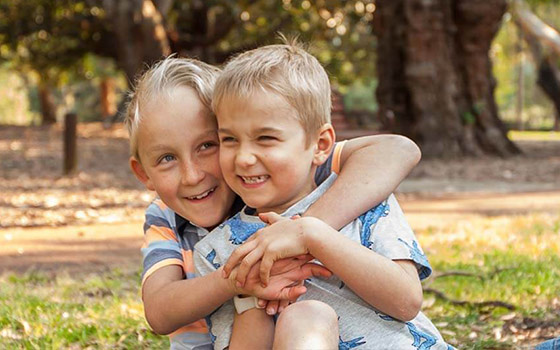
Read about some of our current Supply Partners and how we've helped each other grow and develop as united organisations.
An online ordering system from Eppendorf, one of The Kids Research Institute Australia’s laboratory equipment and consumables Supply Partners, is proving to be a winner.
NEC Australia has joined forces with The Kids Research Institute Australia to ensure a state-of-the-art ICT system is in place at the new Perth Children’s Hospital.
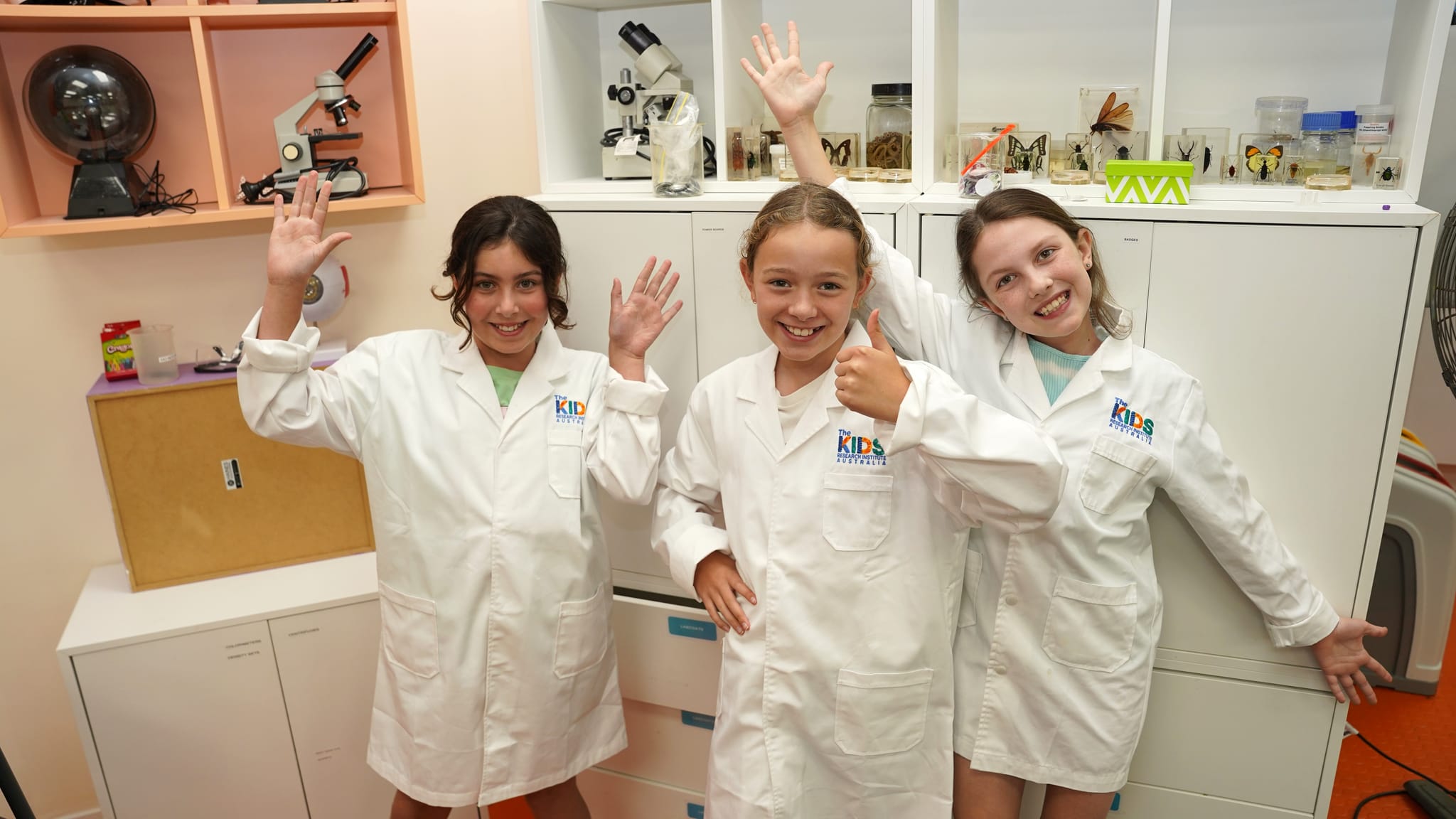
Tailored to spark curiosity and link directly to the Australian curriculum, our schools program engages young minds and bridges the gap between classroom learning and cutting-edge medical research.
Register for our Schools Program.
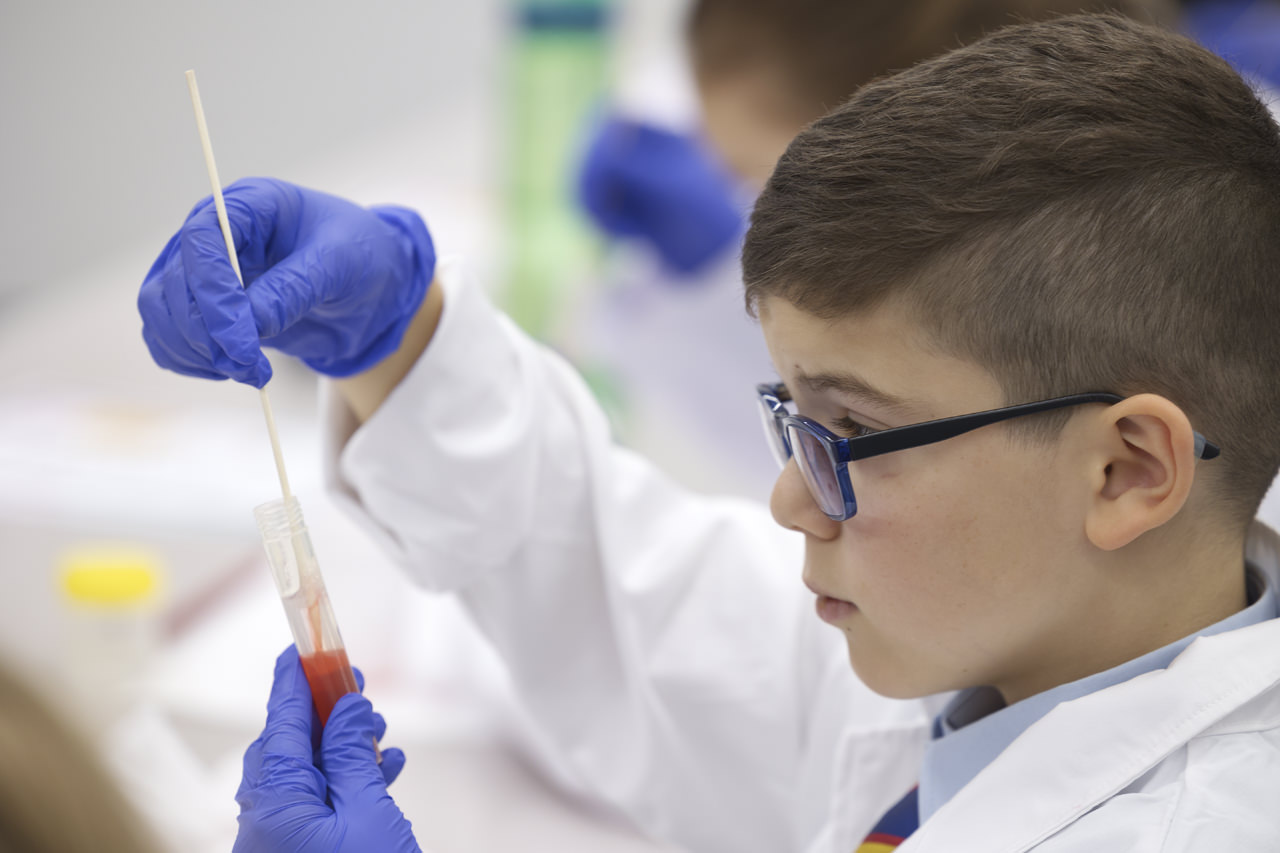
Everything you need to know to book a home schooler excursion at the The Kids Discovery Centre.
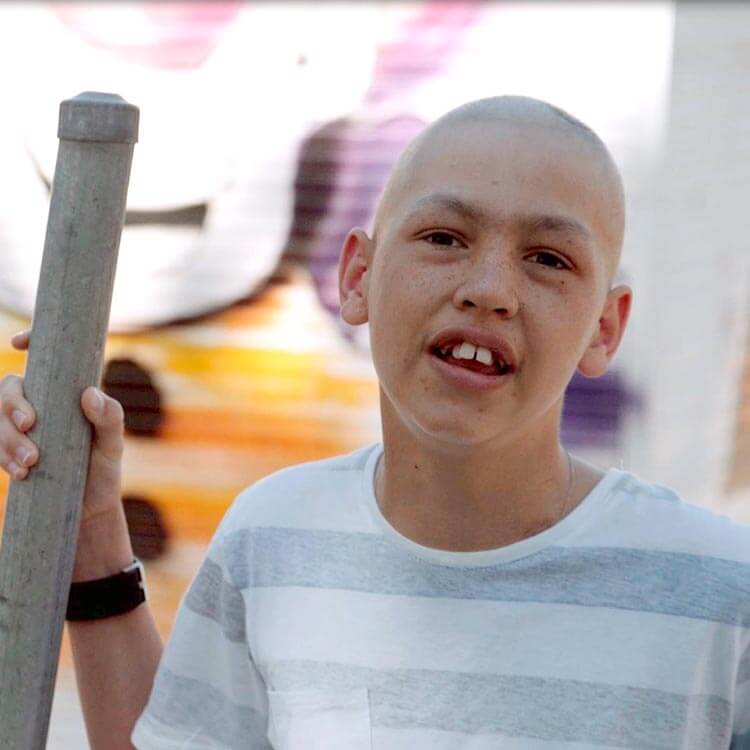
What would you discover to help a child? At The Kids, our researchers are committed to Cancer research that makes a real difference.
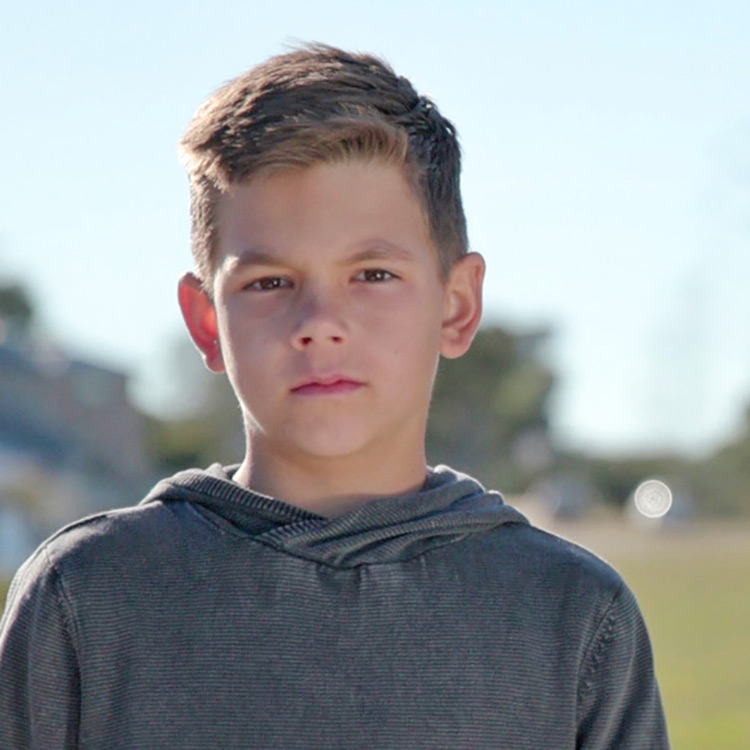
Ten-year-old Xander has been through more than most kids of his age – specifically, three-and-a-half years of gruelling chemotherapy to treat leukaemia.
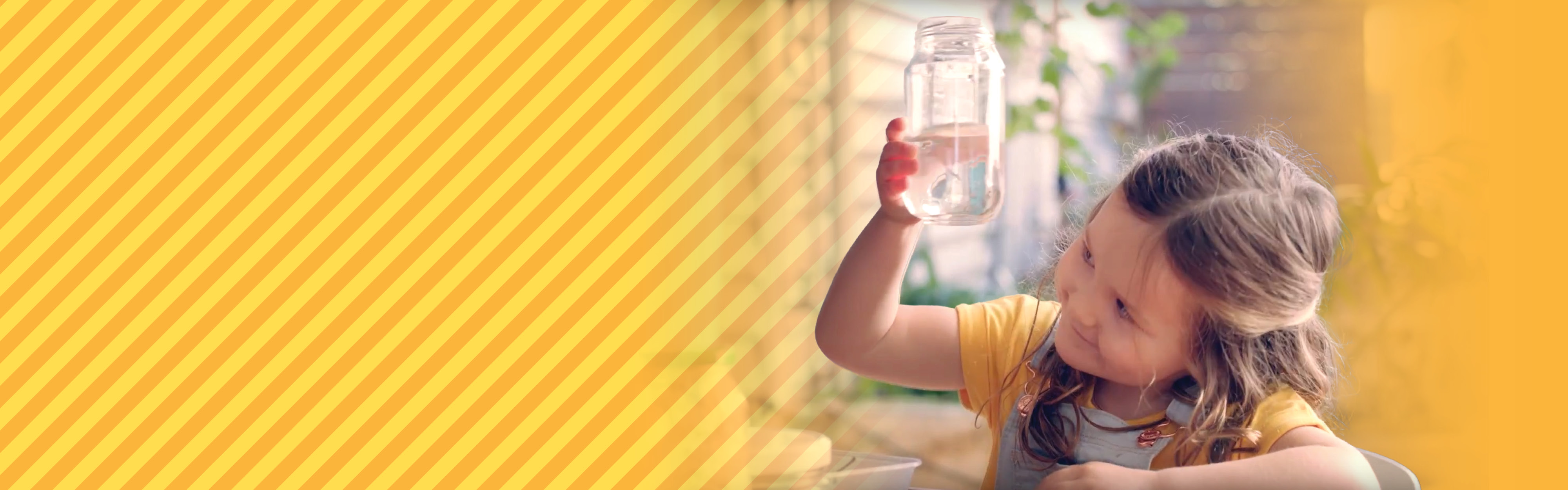
Our job is to find the answers. It's helping us change kids' lives. See the "why?"s we're asking and answering.
Indigenous children in colonised nations experience high rates of health disparities linked to historical trauma resulting from displacement and dispossession, as well as ongoing systemic racism. Skin infections and their complications are one such health inequity, with the highest global burden described in remote-living Australian Aboriginal and/or Torres Strait Islander (hereafter respectfully referred to as Aboriginal) children. Yet despite increasing urbanisation, little is known about the skin infection burden for urban-living Aboriginal children.