
Search
Showing results for "rishi kotecha"
Infant acute lymphoblastic leukemia (ALL) is characterized by a high incidence of KMT2A gene rearrangements and poor outcome. We evaluated the value of minimal residual disease (MRD) in infants with KMT2A-rearranged ALL treated within the Interfant-06 protocol, which compared lymphoid-style consolidation (protocol IB) versus myeloid-style consolidation (araC, daunorubicin, etoposide/mitoxantrone, araC, etoposide).
We report a term male with congenital acute erythroleukemia who achieved sustained remission with low-dose cytosine arabinoside alone
Development of standardised guidance by national and regional authorities for reducing the risk of SARS-CoV-2 transmission to children with cancer
We have revealed a novel SH2D1A gene mutation in a patient with XLP resulting in fulminant refractory EBV-driven HLH, which is a recognized severe complication
Our findings shed light on the mechanisms of leukemia-induced bone loss
Acute lymphoblastic leukaemia (ALL) is the most common paediatric malignancy and remains one of the most common causes of cancer-related death in children and adolescents. Five-year overall survival rates now exceed 90% with current multidrug chemotherapeutic regimens.
PEGasparaginase is known to be a critical drug for treating pediatric acute lymphoblastic leukemia (ALL), however, there is insufficient evidence to determine the optimal dose for infants who are less than one year of age at diagnosis. This international study was conducted to identify the pharmacokinetics of PEGasparaginase in infants with newly diagnosed ALL and gather insight into the clearance and dosing of this population.
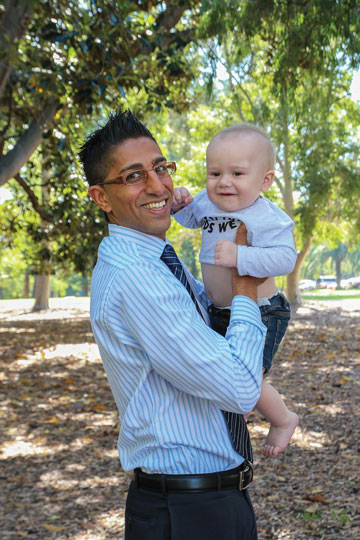
Dr Rishi Kotecha knows too well the devastation of a leukaemia diagnosis in a child, treating children as a consultant at Princess Margaret Hospital.
Osteoclasts are important regulators of bone remodeling, with an established role in maintaining skeletal homeostasis. The emergence of osteoimmunology has identified osteoclasts as key players in the immune system. In particular, osteoclasts can initiate bi-directional crosstalk mechanisms with hematopoietic stem cells and various immune cells, such as T cells, B cells and NK cells, to influence hematopoiesis and inflammatory response.
Despite significant advances, outcomes for children with Down syndrome (DS, trisomy 21) who develop acute lymphoblastic leukemia remain poor. Reports of large DS-ALL cohorts have shown that children with DS have inferior event-free survival and overall survival compared to children without DS.