
Search
Carbohydrate-restricted diets are used by people with type 1 diabetes (T1D) to help manage their condition. However, the impact of this strategy on blood glucose responses to exercise is unknown. This study describes the nutritional strategies of an athlete with T1D, who follows a very low carbohydrate diet to manage her condition during an ultra-endurance open-water swimming event.
This study adds to the current literature by using a novel device-based method to explore where preschool children are physically active outside of home and childcare settings. This study combined accelerometry with geospatial data to explore the influence of the environment on preschool children's physical activity by objectively identifying the locations where preschool children engage in moderate to vigorous physical activity (MVPA) within and outside of their neighborhood.
Patients with cardiovascular disease benefit from cardiac rehabilitation, which includes structured exercise and physical activity as core components. This position statement provides pragmatic, evidence-based guidance for the assessment and prescription of exercise and physical activity for cardiac rehabilitation clinicians, recognising the latest international guidelines, scientific evidence and the increasing use of technology and virtual delivery methods.
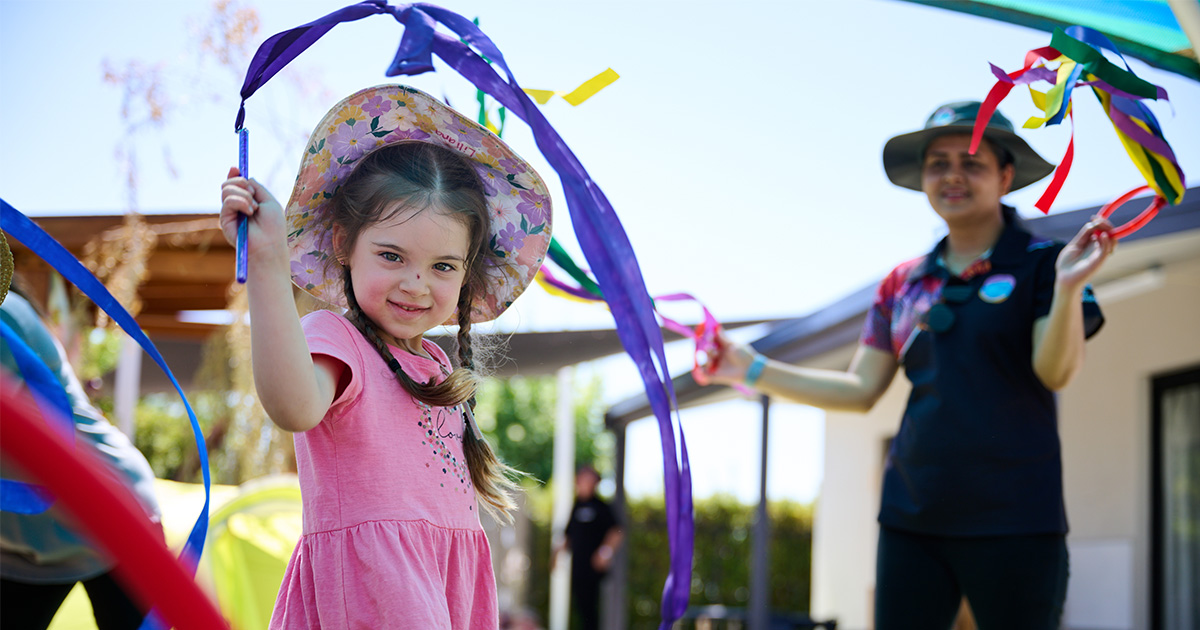
More than 80,000 Australian children are expected to benefit as 700 childcare centres across the country trial a new program aimed at boosting declining physical activity levels.

The Kids Research Institute Australia and The University of Western Australia researchers have been awarded more than $1 million in funding from Healthway, for projects to improve the mental health of LGBTQA+ young people, encourage early physical activity in childcare centres and create healthier local environme
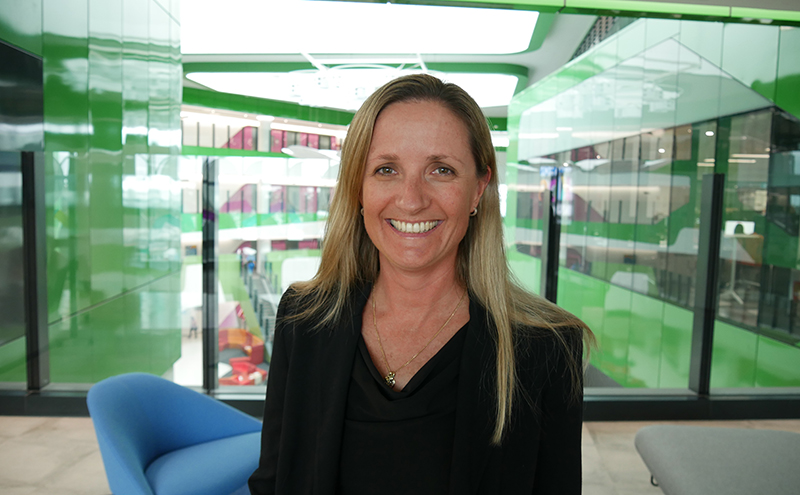
A The Kids Research Institute Australia researcher focused on promoting more active childhoods to improve child health and wellbeing will be named amongst WA’s most outstanding young scientists at the upcoming 2020 Young Tall Poppy Science Awards.
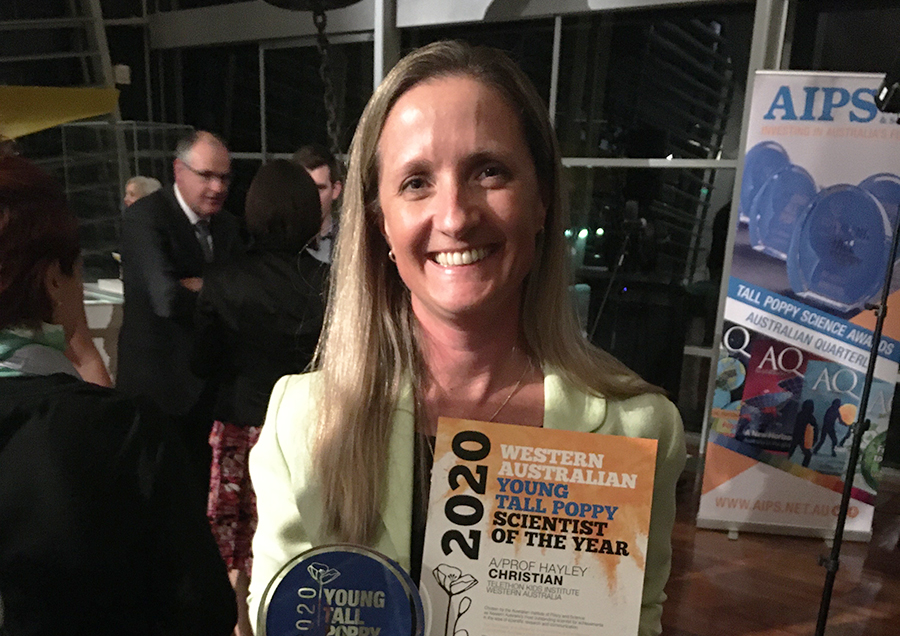
The Kids Research Institute Australia and University of Western Australia physical activity researcher Hayley Christian has been named Young Tall Poppy Scientist of the Year at the 2020 WA Young Tall Poppy Science Awards.
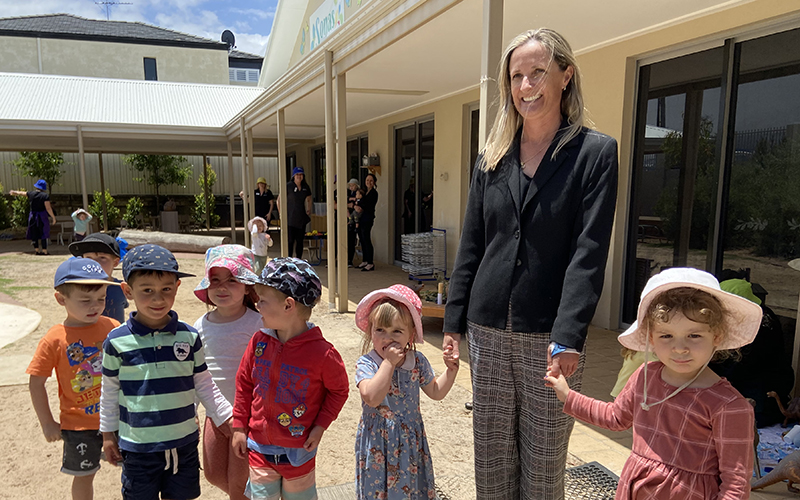
Childcare centres will be invited to help boost children’s physical activity levels by signing on to a new program which commits them to creating more opportunities for physical activity.
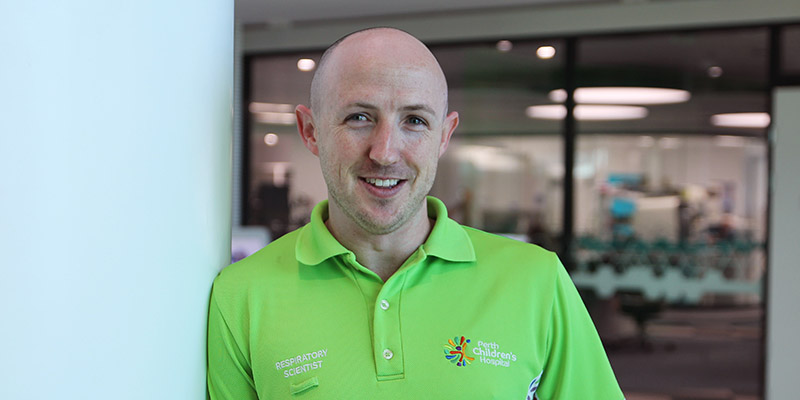
Parents of children born prematurely have expressed concerns about their child’s lung health when they exercise, with symptoms such as breathlessness.
The early years is a critical stage to establish optimal nutrition and movement behaviours. Community playgroups are a relaxed environment for parents with a focus on social connection and supporting parents in their role as 'First Teachers'. Playgroups are therefore an opportunistic setting to promote health behaviours in the early years.