
Search
Climate change and its health impacts are increasingly recognised by the world's leading medical organisations and journals.
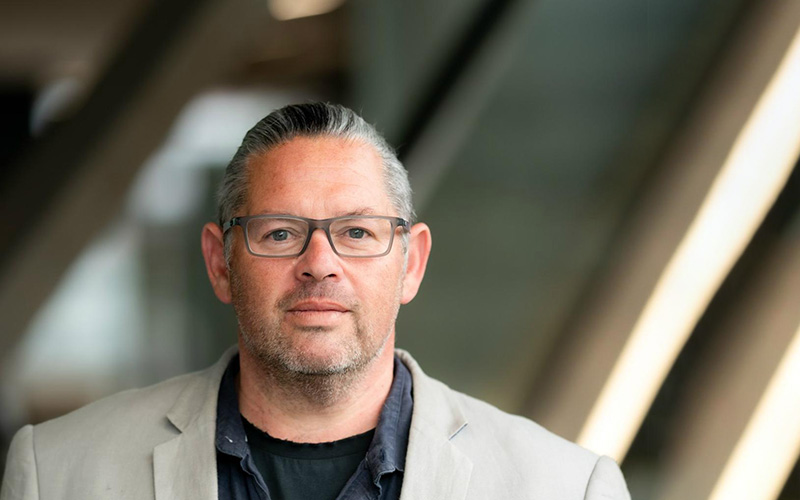
The Kids Research Institute Australia and Australian National University Professor of Indigenous Genomics, Professor Alex Brown, has become the first Indigenous member of the Commonwealth Scientific and Industrial Research Organisation (CSIRO) Board.
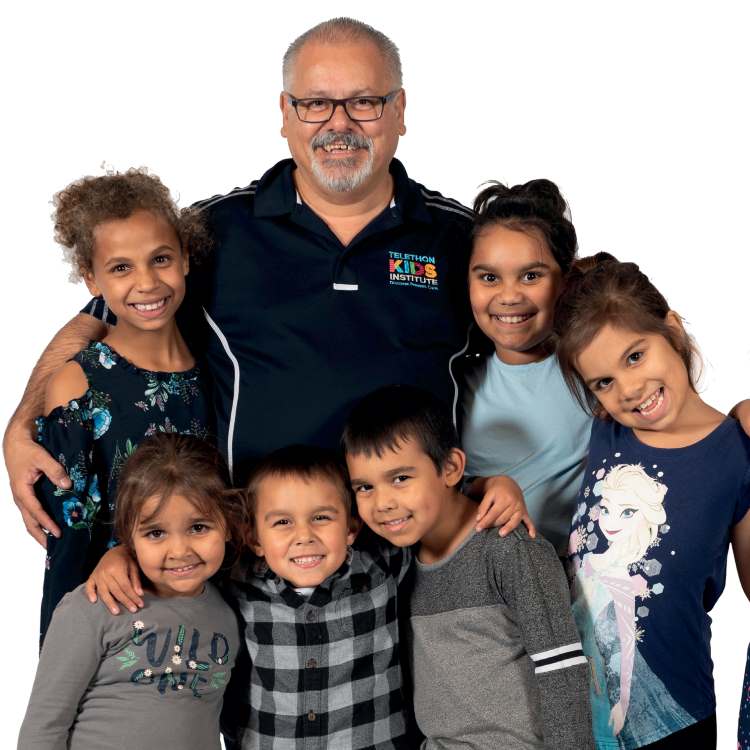
Led by nine Elders, the Ngulluk Koolunga Ngulluk Koort Project is working to generate a better understanding of early childhood development from an Aboriginal/Nyoongar perspective.
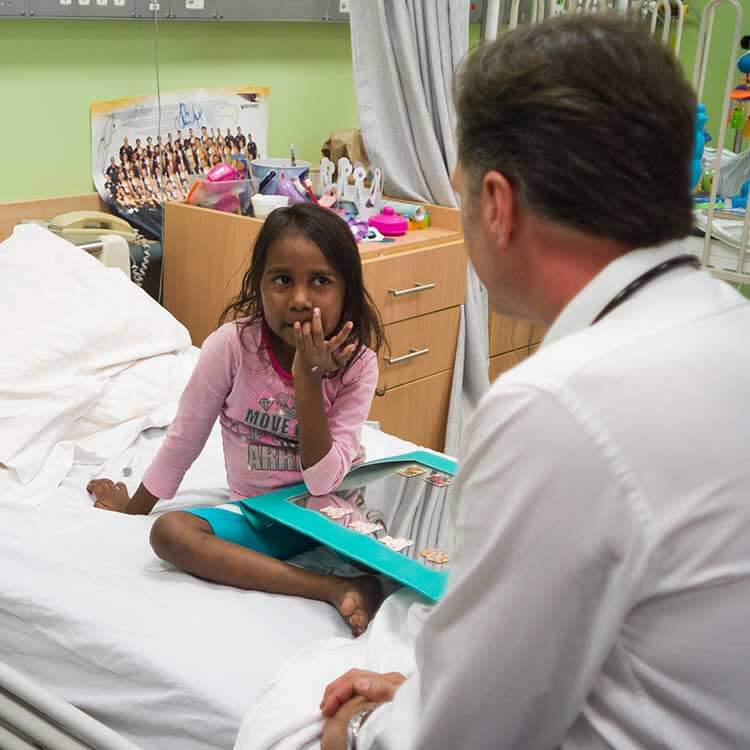
Some of the nation’s leading medical researchers will converge on Darwin this week to step out a plan to wipe out rheumatic heart disease.
The burden of mental health problems among Aboriginal and Torres Strait Islander children is a major public health problem in Australia.
We begin to bridge this knowledge gap by assessing evidence on social gradients in indigenous health in Australia.
We sought to provide insights by examining socio-economic disparities in physical health outcomes among Aboriginal and Torres Strait Islander children in WA.
The Rio Tinto Aboriginal Health Partnership marries Rio Tinto's commitment and dedication to community investment with research expertise of the Telethon Inst
Antismoking mass media campaigns have been shown to reduce smoking prevalence in the mainstream community.
In 2002, the Founding Director of The Kids for Child Health Research, Professor Fiona Stanley, approached Rio Tinto Ltd about the possibility...