
Search
The aim of this study was to investigate the association between heavy maternal alcohol consumption and pre- peri- and postneonatally acquired cerebral palsy.
The aim of this study was to compare dental hospital admissions in a total state birth population of Indigenous and non-Indigenous children aged under five...
The pattern of association between socioeconomic factors and health outcomes has primarily depicted better health for those who are higher in the social...
Streptococcus pneumoniae, Moraxella catarrhalis, and nontypeable Haemophilus influenzae is associated with otitis media
In Australia and many other developed countries, acute lower respiratory infection (ALRI) is one of the most common reasons for hospitalisation in young...
This study describes social and racial inequalities in poor fetal growth in Western Australia between 1984 and 2006.
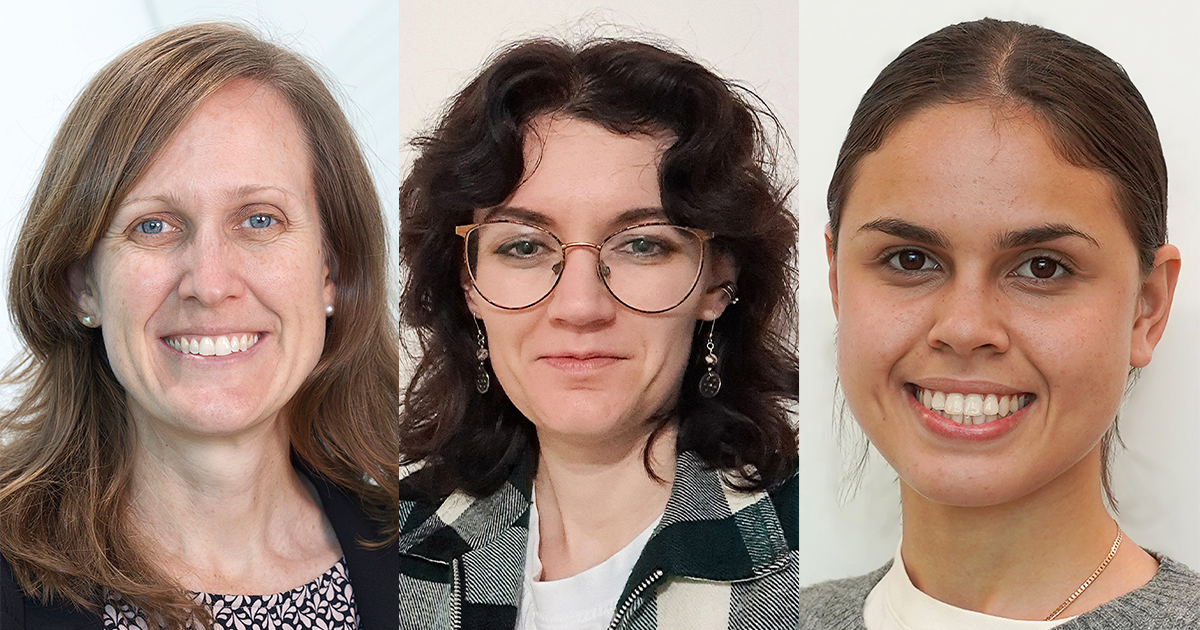
Three researchers from The Kids Research Institute Australia were recognised as being among Western Australia’s brightest and most innovative scientific minds at last night’s 24th Premier's Science Awards.
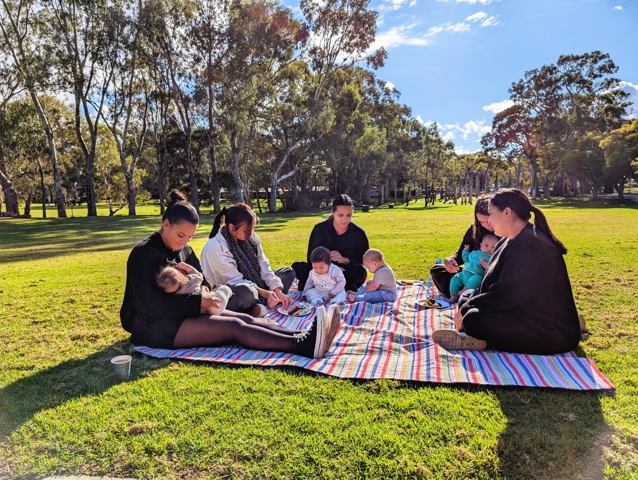
A group of 19 Aboriginal women from South Australia, along with researchers from The Kids Research Institute Australia, have developed a culturally responsive, evidence-based model of care to support Aboriginal women with cardiometabolic complications in pregnancy in SA.
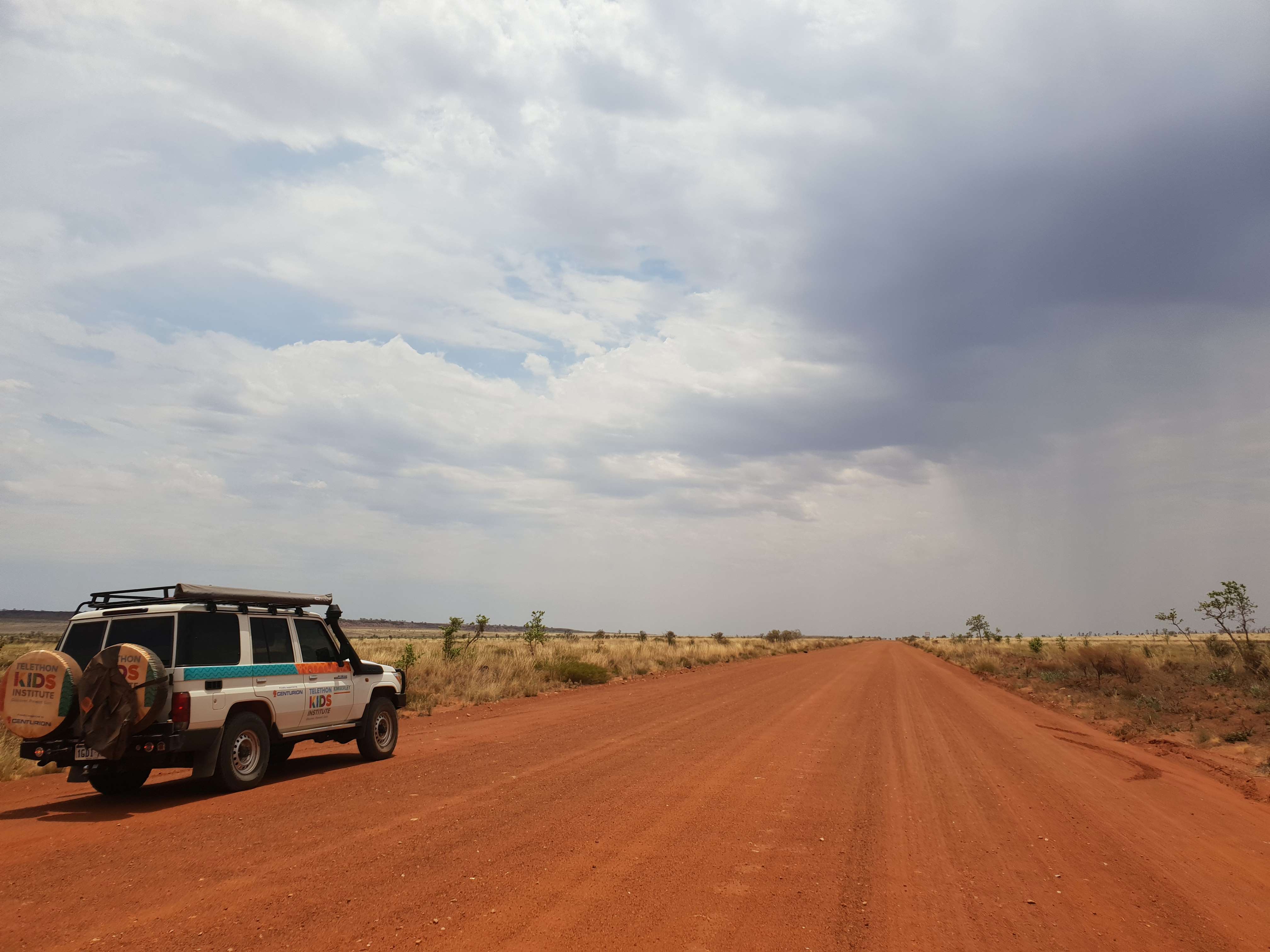
Led by The Kids Research Institute Australia and Aboriginal health organisations in close partnership with nine Aboriginal communities in Western Australia’s Kimberley region, the five-year SToP Trial set out to identify the best possible methods to See, Treat and Prevent painful skin sores and scabies.

The generous support of Western Australians through Channel 7’s Telethon is helping to fund life-changing child health research, with two The Kids Research Institute Australia researchers awarded significant grants.